God Sees the Truth, But Waits

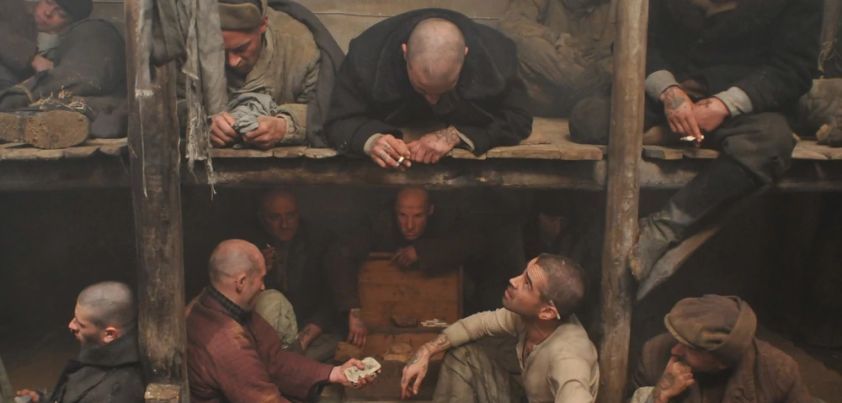
God Sees the Truth, But Waits: Short story by Leo TolstoyThis is one of Leo Tolstoy’s earlier short stories, published between his two epic novels War and Peace and Anna Karenina, and thirteen years before What Men Live By. It has themes of injustice, acceptance, forgiveness and redemption. The protagonist suffers a dramatic fall in worldly terms, which is more than matched by his growth in spiritual grace. The plot was not new. It is a re-working of an almost identical tale from War and Peace related by peasant character Platon Karataev. The novel was written for the Russian nobility; this version was targeted at its common people.

Continue ReadingGod Sees the Truth, But Waits

One Ordinary Day, With Peanuts

One Ordinary Day, With Peanuts: Short story by Shirley JacksonThe protagonist in this story from Shirley Jackson initially appears too good to be true. A seemingly ordinary man fills his pockets with candy and peanuts and walks the streets of New York, helping strangers and acting “Mr. Nice Guy”. The apparent theme is making a difference… how a good deed, a kind word, or even just a smile can brighten up someone’s day. It is not until we reach the end of the story that we are presented with two other themes: things are not always what they seem, and the duality of good and evil.

Continue ReadingOne Ordinary Day, With Peanuts

The Snob

The Snob: Short story by Morley CallaghanIn this story by Morley Callaghan, a young man shopping with a new girlfriend shames his poorly dressed father by not acknowledging him when they find themselves close to each other in a department store. The girl’s family are more affluent and sophisticated than his, and he is self-conscious about the difference. Ironically, although he is guilty of snobbery in ignoring his father, his anger at himself over having done so causes him to lose his temper and wrongfully accuse the girl of being a snob. Themes include identity, class, judgement by appearances, shame, guilt, hypocrisy.

Continue ReadingThe Snob

A Great Day

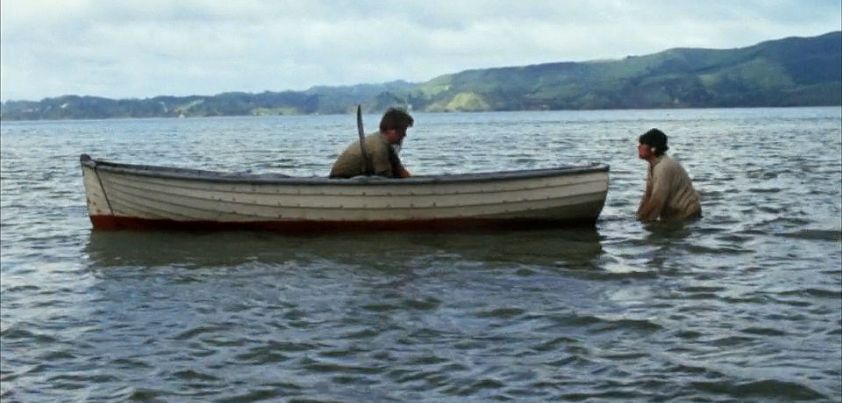
A Great Day: Short story by Frank SargesonAn unusual aspect of this story from Frank Sargeson is that it is largely made up of superficial conversations between two ‘friends’ out in a boat for a morning fishing trip. Readers are given sufficient clues to piece together the men’s backgrounds and the major issues between them. However, they must make their own judgements about the grim climax. An important question in assessing Fred’s character is the timing of his plan. Was it a callous, premeditated decision made before the “Great Day”, or a spur of the moment, opportunistic idea? Themes: envy, jealousy, class, self-esteem, masculinity.

Continue ReadingA Great Day

Hominids

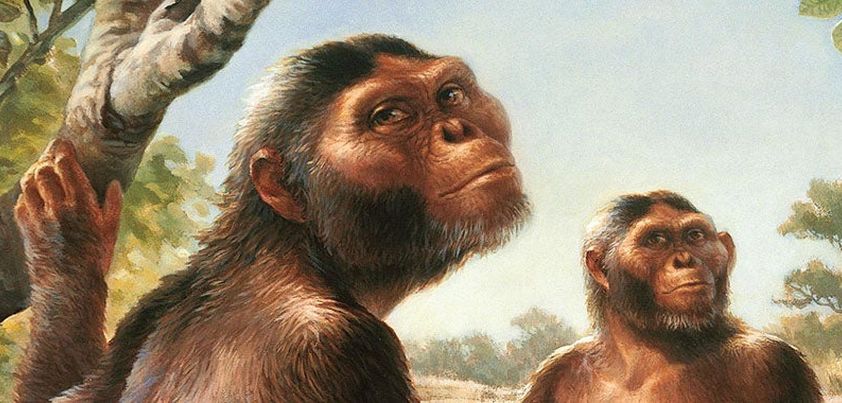
Hominids: Short story by Jill McCorkleIn this story by Jill McCorkle, a woman hosting a dinner party for a group of her husband’s old friends is disgusted by the way the men joke about the bodies of women they had encountered at a strip club earlier in the day. She muses about modern man’s obsession with breasts, and the contrast between the privileged life of the wives present and the circumstances that might lead other women to take up such work. She confronts the men, along the way cynically threatening to open her own club called “Peckers”. Themes include machismo, sexualization, misogyny, beauty and womanhood.

Continue ReadingHominids

The Man Who Was Almost a Man

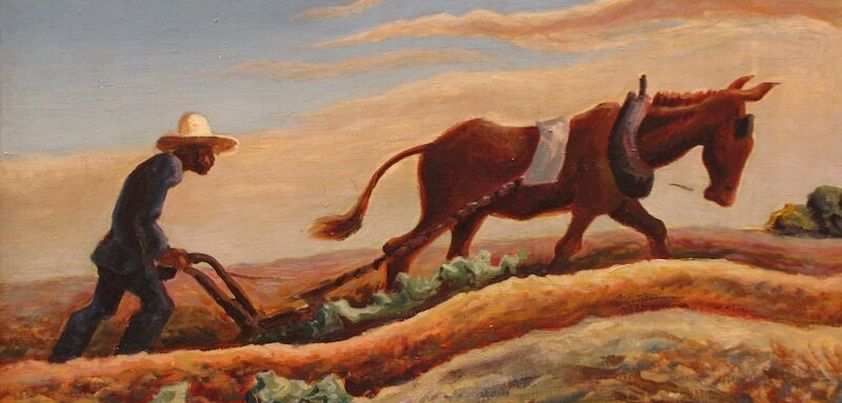
The Man Who Was Almost a Man: Short story by Richard WrightAt seventeen, Richard Wright’s naïve protagonist (Dave) is old enough and strong enough to do a man’s work. Unfortunately, his family and co-workers treat him like a boy. Dave buys a gun, believing that having one will win him the respect he deserves. Instead, a wayward shot when he first uses it brings humiliation. Despite the accident, the gun gives Dave a sense of power. Faced with losing it and resuming his former life, he leaves town to look for somewhere a seventeen-year-old with a gun can be a man. Themes: class/racism, coming of age, respect, rebellion, the gun debate.

Continue ReadingThe Man Who Was Almost a Man

The American Embassy

The American Embassy: Short story by Chimamanda Ngozi AdichieSet following Nigeria’s 1993 military coup, this Chimamanda Adichie story includes themes of corruption, civil unrest and army brutality. The protagonist has a seemingly perfect case for U.S. asylum. Her anti-government journalist husband has already fled to America, and some troops searching for him accidentally shot their four-year-old son. Yet mid-way through the visa interview, she decides not to continue. The shooting has caused her to question their future together. This introduces two additional themes: the strong ties Africans have to their roots, and the importance of traditions… in this case the need for someone to tend the boy’s grave.

Continue ReadingThe American Embassy

Dry September

Dry September: Short story by William FaulknerWilliam Faulkner’s Dry September deals with events leading up to and shortly after the vigilante murder of a presumably innocent man. Set in a racially prejudiced community in America’s South, a misplaced or malicious complaint from a middle-aged spinster incites hatred against a local negro. Only one man (the town barber) stands up for him. A decorated ex-soldier leads a mob to avenge the woman’s honor. After the killing, the reliability of the woman’s story is called into question, as is the mental condition of the soldier who is shown to be violent by nature and possibly suffering from PTSD.

Continue ReadingDry September