Poison

Poison: Short story by Roald DahlRoald Dahl is best known for short stories that make their point using dark humor and have a surprise ending. This story exhibits neither of these features. The central theme is the racism that existed under British colonial rule. Dahl gets the message across through this allegory about the way a British businessman acted badly towards an Indian doctor who answered his call for help in the middle of the night and may well have saved his life. In the story we learn that there are several kinds of poison. Unlike the deadly krait, some of them kill quite slowly.

Continue ReadingPoison

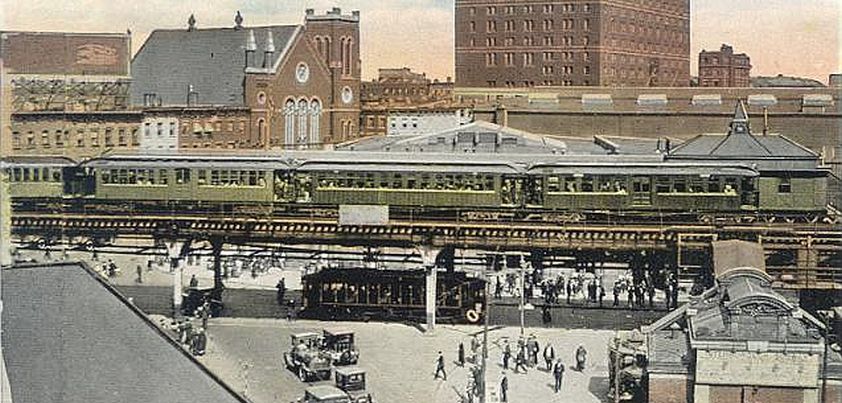
Only the Dead Know Brooklyn

Only the Dead Know Brooklyn: Short story by Thomas WolfeNew arrivals in a city often learn things and visit places that long-term residents don’t know about. In this humorous story from Thomas Wolfe, a stranger demonstrates this to the annoyance of the well-meaning but increasingly agitated narrator. The highly opinionated men differ over the narrator’s warnings about the dangers of the “nice sounding” Brooklyn neighborhoods the stranger has chosen for his nightly walks. To make matters worse, the stranger insists that all one needs to feel safe and get to “know” the city is a good map. Themes: connection, pride, perception, fear, curiosity.

Continue ReadingOnly the Dead Know Brooklyn

Janus

Janus: Short story by Ann BeattieAnn Beattie’s Janus is about a realtor (Andrea) who strategically places her most prized possession (a decorative, “lucky” bowl) in houses she is showing in the belief it will help them sell. The titular Janus is the two-faced Roman god of duality; the lover who gave Andrea the bowl calls her “two-faced” for not leaving her husband. The central theme, symbolized by the bowl, is the choices modern women must make, as between career and family, financial security and struggle, husband and lover, etc. Andrea’s choices bring career and financial success, but not happiness. Other themes: aesthetic appreciation, deception, emptiness.

Continue ReadingJanus

A Hunger Artist

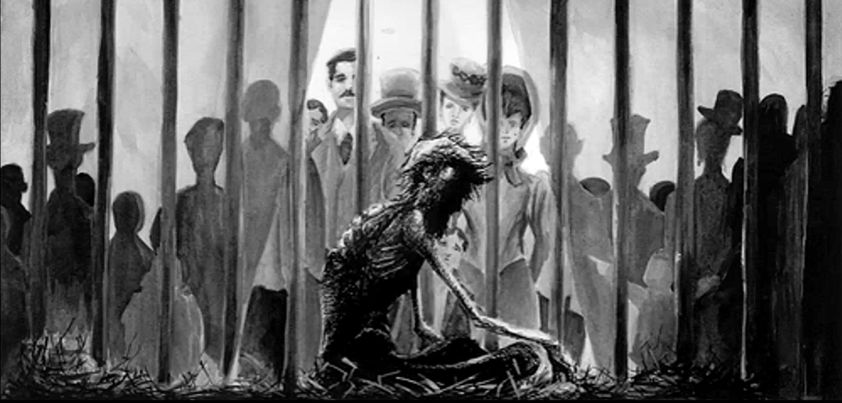
A Hunger Artist: Short story by Franz KafkaThemes of Franz Kafka’s A Hunger Artist include alienation and isolation, spiritual emptiness, art, voyeurism, exploitation, change and suffering. The unnamed artist does not hunger for food, but rather artistic recognition and spiritual fulfillment. When, as often happens, public tastes change, he has outlived his usefulness and is quickly forgotten. The story has variously been described as an allegory of the suffering of artists for the sake of their art, a metaphorical representation of the life of Jesus, and a reflection of the tortured final years of Kafka’s own life as an alienated artist dying from tuberculosis.

Continue ReadingA Hunger Artist

The Subliminal Man

The Subliminal Man: Short story by J. G. BallardThis 1963 story from J. G. Ballard envisions a dystopian future where people’s lives are conditioned by subliminal messages disseminated through advertising billboards and the mass media. The hidden messages, which appear to be officially sanctioned ‘to stimulate the economy’, compel people to buy things they don’t need or replace perfectly good recent purchases. Ominously, the major products involved are linked to powerful monopolies. The story is a biting satire of (then) modern advertising and its contribution to the post-war consumerism and rising household debt levels of the 1950s. Themes: conspiracy, technology, advertising, consumerism, debt, dehumanization (loss of free will).

Continue ReadingThe Subliminal Man

That in Aleppo Once…

That in Aleppo Once...: Short story by Vladimir NabokovThe title of this Vladimir Nabokov story is an allusion to Shakespeare’s Othello. Several characters reflect those in the famous play, and it shares the same major theme (jealousy). The story is more than the tale of a deceitful, adulterous wife who may have only married the older narrator to escape the German occupation. The narrator’s heartbreak has caused him to question not only his wife’s existence, but also whether life is worth living. His letter is an attempt to unburden himself, and create some hope for the future. Other themes: escape, betrayal, deception, uncertainty, suicide (implied by the title).

Continue ReadingThat in Aleppo Once…

The Time Machine

The Time Machine: Short story by Dino BuzzatiIn this story by Dino Buzzati, a scientist builds a luxurious walled city in which a machine slows down time. Animals and plants grow and age half as quickly as those outside, allowing occupants to live for two centuries. Residency is expensive and, once inside, it is impossible to leave as the effects of normal time will be fatal. Life in the city proves not to be the utopia residents expected, and ends in disaster when something happens to the machine. Themes include self-preservation, alienation, monotony, the dangers of relying on technology and toying with the basic laws of nature.

Continue ReadingThe Time Machine

The Fly

The Fly: Short story by Katherine MansfieldKatherine Mansfield‘s The Fly is about death, grief and aging. Two old men handle their sons’ wartime deaths differently. Six years have passed. Mr Woodifield, in poor health physically and mentally, has come to terms with the loss of his son. “The boss”, healthy and successful, still grieves… but not for his son. He laments the sacrifices he made in preparing the boy to take over his business, and shows his true character by torturing a fly. This leaves him feeling wretched and frightened. Could the fly’s struggles have reminded him that even the strongest (himself included) eventually die?

Continue ReadingThe Fly