The Imp of the Perverse

The Imp of the Perverse: Short story by Edgar Allan PoeLike two of our earlier Edgar Allan Poe tales (The Back Cat and The Tell-Tale Heart), this story involves an unreliable, unhinged narrator facing execution for murder trying to account for his crime. He blames his actions on an agent he claims to be in all of us called the “Imp of the Perverse”. The Imp, he argues, is an urge that drives people to do things they shouldn’t for the simple reason that they know it to be wrong. Ironically, the Imp that drove him to murder also drove him to confess. Themes include perverseness, obsession, madness, self-destruction.

Continue ReadingThe Imp of the Perverse

The Ant and The Grasshopper

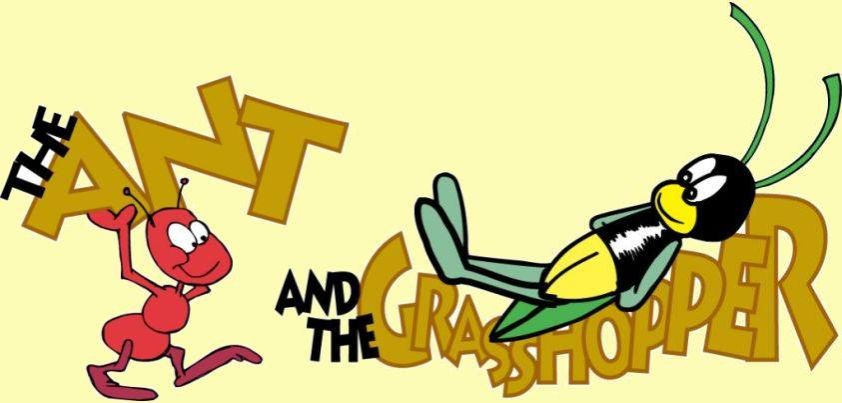
The Ant and The Grasshopper: Short story by W. Somerset MaughamThis story by W. Somerset Maugham takes its name from a famous Aesop fable. The fable carries the message that hard work is rewarded, while laziness leads to disaster. The story presents a more balanced view of the world. Sometimes good things happen to lazy or even quite bad people, causing them to be better off than those who work hard every day. After years of hard work, Gordon Ramsay (the Ant) is rewarded with a comfortable retirement. He thinks it unfair when his brother Tom (the Grasshopper) ends up many times richer after a life of laziness and cheating others.

Continue ReadingThe Ant and The Grasshopper

In the Middle of the Fields

In the Middle of the Fields: Short story by Mary LavinThis story from Mary Lavin highlights the isolation, vulnerability and resilience of a recently widowed farmer’s wife. Its major theme is the need to “move on” after the death of a loved one. Having decided to manage the farm herself, she hires a neighbor to “top” (trim) the long grass in her fields. The neighbor visits that night seeking to defer the work. She bests him with her knowledge of farming practices and, after rejecting an inappropriate advance, realizes that he is yet to get over a similar loss that occurred many years earlier. Other themes: passion, grief, fear, sexism.

Continue ReadingIn the Middle of the Fields

The Right Kind of House

The Right Kind of House: Short story by Henry SlesarIn this story by Henry Slesar, a stranger in an expensive car visits a small-town real-estate agent to enquire about a dilapidated house that has a ‘For Sale’ sign out front. The agent advises that the owner (an elderly woman with an apparent sentimental attachment to the house) is insisting on over seven times a fair asking price. The man visits the woman to try to negotiate and is left with a bitter taste in his mouth when, after she proves inflexible, he is forced to agree to her price. Themes include crime, patience, appearances vs. reality, vengeance, justice.

Continue ReadingThe Right Kind of House

The End of Something / Three-Day Blow

The End of Something / Three Day Blow: Short stories by Ernest HemingwayThese two Ernest Hemingway stories should ideally be read together as they are linked by storyline (the end of a relationship) and major themes (change, friendship and moving on). The lumber town of Hortons Bay has died and its people have left because all the old-growth trees have been cut down. Like the townspeople, Nick Adams is planning a new beginning. He has decided to break up with girlfriend Marjorie, telling her “it isn’t fun anymore”. We learn the reason in the second story, which introduces additional themes of class and/or racial prejudice, selfishness, mateship and regret.

Continue ReadingThe End of Something / Three-Day Blow

The Tenant

The Tenant: Short story by Bharati MukherjeeIn this story by Bharati Mukherjee, a young Indian-American college professor struggles to make a new life after a series of “indiscretions”. She has sullied her reputation among her Brahman caste by marrying and later being left by an American graduate student, and compensated for the loss and shame through promiscuity. She finds solace as the lover of her armless landlord but, in the hope of reconnecting with her culture, abruptly leaves him when re-contacted by a “god-like” Indian man she had met through a matrimonial advertisement. Themes include identity, cultural confusion, social class, nonconformity, rejection, shame, alienation, loneliness, connection.

Continue ReadingThe Tenant

The Empty House

The Empty House: Short story by Algernon BlackwoodAlgernon Blackwood’s most famous ghost story, The Empty House could best be described as a horror story without the horror (no blood, gore, demonic possession, attacks by spectral beings, etc.). The story’s power lies in Blackwood’s ability to inspire terror through atmosphere alone. Its major themes are fear and the interdependence of the two psychic sleuths in confronting their fears. Initially, the ghosts go about their nightly business seemingly indifferent to the visitors. The perceived threat from “IT” only emerges when one of them gives way to fear and they begin to flee. Other themes: curiosity, courage, the supernatural.

Continue ReadingThe Empty House

Snow, Glass, Apples

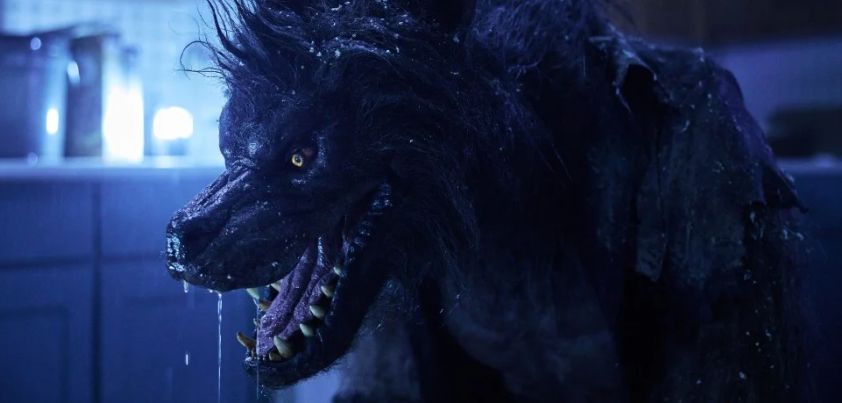
Snow-Glass-Apples: Short story by Neil GaimanThis Neil Gaiman story is yet another re-invention of the Snow White tale. However, a shift in point-of-view from a third-person omniscient narrator to the first-person perspective of the Queen allows the story to be re-imagined in a way we are unlikely to see from Disney. The much-maligned Queen knows a little magic (enough to glimpse the future and enchant the King), but not enough to match her evil stepdaughter. In the end, the Queen’s fate adds a new meaning to the slang term to feel cooked. Themes include power, vampirism, murder, revenge, jealousy, cruelty, sexual depravity (necrophilia, pedophilia, incest).

Continue ReadingSnow, Glass, Apples