The Revolt of “Mother”

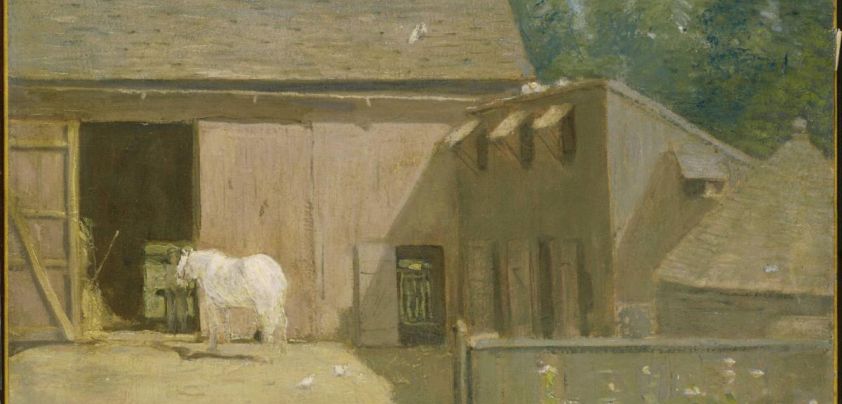
The Revolt of This Mary E. Wilkins Freeman story is an early example of American literary feminism. When Adoniram, an insensitive, authoritarian farmer decides to build a barn on the site of a promised new house and refuses to discuss the issue, his long-suffering wife takes a stand. Sarah, the hard-working and devoted “Mother”, sees his need to spend a few days away as a sign from God. Much to the surprise and amusement of the local community, she goes about turning the new barn into a home. Themes: gender roles/repression (male domination), insincerity (false promises), spirituality, rebellion.

Continue ReadingThe Revolt of “Mother”

The New Constitution / Naya Qanun

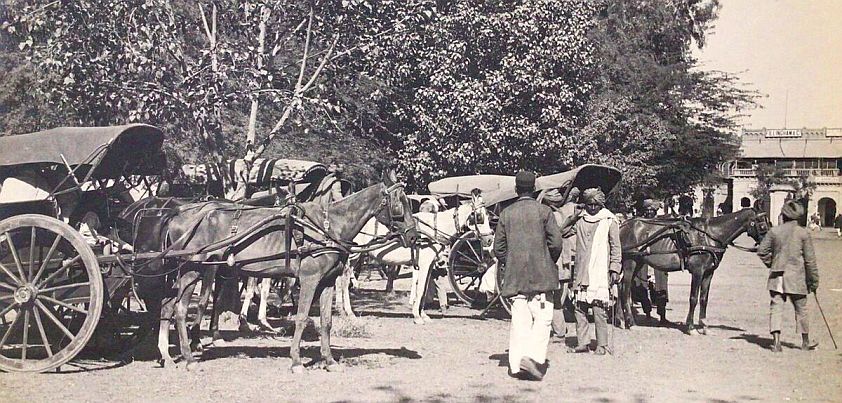
The New Constitution / Naya Qanun: Short story by Saadat Hasan MantoA message of this story by Saadat Hasan Manto is to make sure you fully understand something you overhear before acting on it. An illiterate tongawala [coachman] learns about the world by eavesdropping on customers. Over several days, he overhears talk of a new “India Act”, which he misinterprets to be a new constitution that will free India from British rule. Having developed a hatred of the British for subjugating and exploiting his country, he is excited by the “news”. Unfortunately, acting on it lands him in jail. Themes include colonialism vs. freedom and self-determination, excitement, hope, disillusionment.

Continue ReadingThe New Constitution / Naya Qanun

Who Will Greet You At Home

Who Will Greet You At Home: Short story by Lesley Nneka ArimahIn this surreal horror story from Lesley Nneka Arimah, children are created in the form of craft dolls by their mother, blessed by their grandmother or an elderly substitute, and nurtured for a year until they “become flesh”. In the interim they feed, move and act like babies, but in their doll form. The dolls can be made from any material (straw, sticks, clay, etc.) that is strong enough to last a year. But there are rules. When Ogechi, the impoverished protagonist desperate to have a child breaks one, bad things happen. Themes: magic, poverty, exploitation, isolation, obsession, motherhood.

Continue ReadingWho Will Greet You At Home

The Half-Skinned Steer

The Half-Skinned Steer: Short story by Annie ProulxAnnie Proulx’s protagonist begins a four-day road-trip to attend a funeral as a confident, vital octogenarian in full control of his faculties. Foolish mistakes along the way see him finish the journey a desperate, disoriented figure facing a ghostly “half-skinned steer” in a snowstorm. As he drives, he recalls his disillusioned youth on the family ranch. The memories focus on his sexual awakening and the family’s interactions with his alcoholic father’s flirtatious, story-telling, “horsey” girlfriend. The story’s major theme is ageing and its effects on memories and one’s ability to think clearly. Other themes: homecoming, sexuality, man vs. nature, death.

Continue ReadingThe Half-Skinned Steer

The Lagoon

The Lagoon: Short story by Joseph ConradThe major message of this acclaimed story from Joseph Conrad is that you can’t escape reality: there is no place where death is forgotten — where death is unknown. Arsat, a powerful warrior, risks all for the love of a royal slave girl. While making their escape, he abandons his devoted brother as he is being attacked by pursuers. Some time later, the woman dies of fever in their lagoon-side jungle hideaway. Experiencing remorse over both deaths, he decides that the only path to redemption is (some would say unjustified) retribution. Themes: brotherly love, romantic obsession, courage, betrayal, guilt, isolation, death.

Continue ReadingThe Lagoon

Yellow Woman

Yellow Woman: Short story by Leslie Marmon Silko“Yellow Woman” is a central, usually heroic figure in the folklore of Pueblo Native Americans. Like Leslie Marmon Silko’s protagonist, she is often portrayed as an independent, sexually uninhibited character who connects with the spirit world. This story blurs the lines between that myth and reality. The “real world” presented is full of conflicts: old ways vs. new; pristine landscapes vs. ranches and highways; law and order vs. cattle theft and murder; faithfulness vs. desire. In the end, it is this reality that wins the day. Themes: storytelling, myth vs reality, identity, interconnectedness with nature, empowerment through sexuality.

Continue ReadingYellow Woman

Idyll

Idyll: Short story by Guy de MaupassantThis little known story from Guy de Maupassant is about a man and woman who meet and become friends during a long train journey. The idyllic countryside they are traveling through is in contrast to the way the woman feels. She is a wet-nurse (a woman who cares for and breast-feeds other people’s babies) and has not had a baby to her breast in the last two days. She is in great pain because of this, and the man offers to help her. In doing this, the man solves a problem of his own.

Continue ReadingIdyll

Mary Postgate

Mary Postgate: Short story by Rudyard KiplingSet in World War 1, Rudyard Kipling‘s Mary Postgate, can be interpreted in a number of ways, each of which suggests a different reason for the unusual reaction of the protagonist (a prim, proper, middle-aged spinster) to watching the slow, painful death of a seriously injured pilot. Her almost orgasmic physical response and subsequent behavior – a luxurious hot bath before tea – indicate that she found it an uplifting experience. This suggests that her bitterness was directed at not only the enemy, but also other aspect(s) of her life. Themes: the brutality of war, repression, loss, anger, revenge, release.

Continue ReadingMary Postgate