The Stars

The Stars: Short story by S. RajaratnamThis story by S. Rajaratnam is a biting satire of the “science” of astrology. Inspired by the author’s Hindu upbringing in which those around him shared a strong belief that one’s destiny is written in the stars, he relates the tale of an Indian farmer who doubles as his village astrologer. Having charted his own stars and determined the date and time of his death, he decides to silence sceptics by inviting the whole village to witness and celebrate the event. Themes include astrology, determinism vs. free will, obsession, faith, failure (“miscalculation”), scepticism.

Continue ReadingThe Stars

First Confession

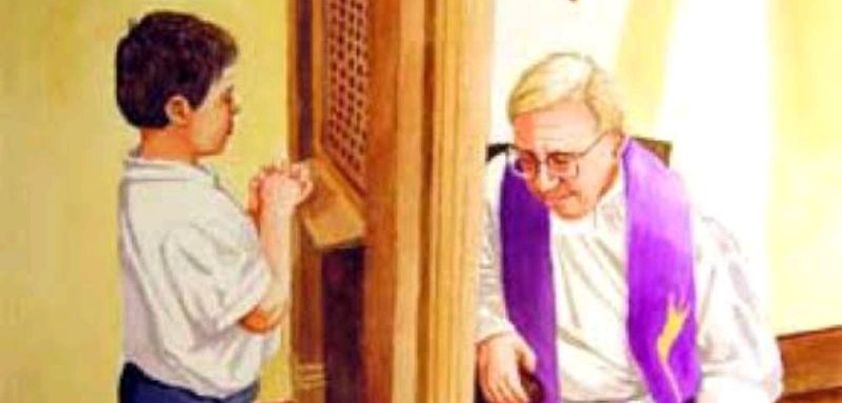
First Confession: Short story by Frank O'ConnorAlthough the plot of this Frank O’Connor story deals with an important milestone in the Catholic faith, the points made are equally relevant to several other religions. The story satirizes the instilling of fear (of punishment/Hell) as the reason for taking the Eucharist as opposed to celebrating God’s love. A young boy’s intolerance over his country grandmother’s unusual habits results in violent fantasies. A priest’s double standards in scolding the boy’s sister for hitting him and “rewarding” the boy for confessing these murderous thoughts sends them both a confusing message. Themes include innocence, morality, guilt, indoctrination, intimidation, fear, hypocrisy.

Continue ReadingFirst Confession

Gimpel the Fool

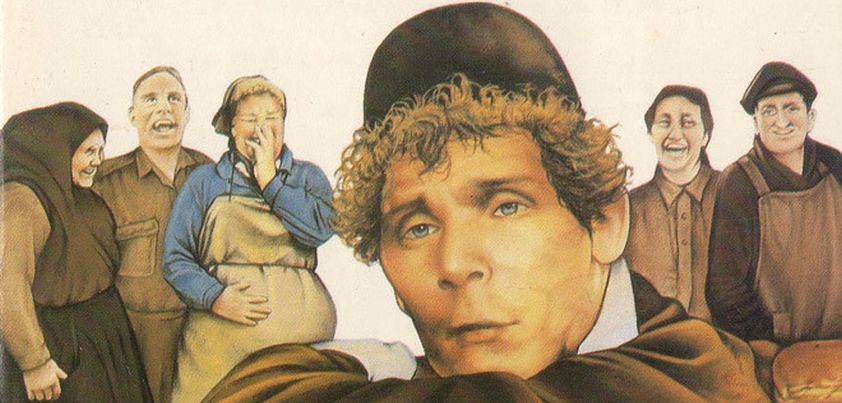
Gimpel the Fool: Short story by Isaac Bashevis SingerIf you take the story at face value (which is often dangerous with a first person narration), Isaac Singer’s Gimpel is no fool. He understands and rationalizes all that has happened in his life, claiming to have been misjudged due to being too trusting and accommodating towards others. Sadly, although not considering himself a fool, he feels compelled to accept the title. The real fools are shown to be those who took advantage of Gimpel, especially his debauched wife who suffers the consequences in the afterlife. Themes: faith, kindness and integrity, forgiveness, strength and wisdom, acceptance.

Continue ReadingGimpel the Fool

Tiny, Smiling Daddy

Tiny, Smiling Daddy: Short story by Mary GaitskillMary Gaitskill doesn’t pull punches. This is one of those rare stories where you (almost) feel sympathy for a protagonist who is a real jerk. A father reflects on the past after learning that his daughter has written a magazine article about their relationship following her “coming out” as lesbian. Any sympathy stems from the fact that there are two sides to his character: the angry, self-absorbed homophobe who threw his daughter out of the house; and the confused, reclusive, emotionally troubled man struggling to face his failings as a father. Themes: father-daughter relationships, teenage rebellion, sexual identity, acceptance, disconnection.

Continue ReadingTiny, Smiling Daddy

A Rose for Emily

A Rose for Emily: Short story by William FaulknerWilliam Faulkner’s “Emily” is an eccentric woman who had a privileged upbringing in America’s ‘Old South’. There was talk of mental illness in the family, which may explain her difficulty in accepting her father’s death. They were close and, as he had rejected all suitors as not being good enough, she was left alone in the world. When she finally finds love in the unlikely form of a working class Northerner, she takes steps to ensure they remain together for the rest of their lives. Themes: patriarchal control, class, tradition vs. progress, death, isolation and loneliness, pride, gossip, obsessive love.

Continue ReadingA Rose for Emily

Animal Stories

Animal Stories: Short story by Jason BrownIn this story by Jason Brown, a melancholic young man struggles to deal with his mother’s looming death from a brain tumor. Spanning a brief period from her initial diagnosis in hospital to her refusal of treatment and car ride home, the story is interspersed with memories of the past and diversions involving animal videos playing on the TV in her room. The memories have as much to do with the young man coming to terms with his failures in life as they do with his mother’s deteriorating state of mind. Themes: memories, dysfunctionality, mental instability, devotion, acceptance, nature.

Continue ReadingAnimal Stories

The Beautiful People

The Beautiful People: Short story by Charles BeaumontThe dystopian civilization envisioned in this Charles Beaumont story has eliminated many of today’s “distractions” such as food preparation, books and even the need for sleep. It has also specified uniform male and female appearances to be adopted by undergoing a “Transformation” (operation) upon turning nineteen. A brave girl resists the change, not only putting her job and family’s social position at risk, but also threatening social stability. As she is frog-marched to the operating theater, she realizes the sinister purpose of Transformation… to remove the population’s sense of individual identity. Themes: identity, body shaming, scientific “advancement”, superficial beauty, conformity.

Continue ReadingThe Beautiful People

A Useless Man

A Useless Man: Short story by Sait Faik AbasıyanıkRather than being “useless”, the protagonist of this story by Sait Faik Abasıyanık admits to having given up on life. A recluse, he hasn’t washed himself or left his Istanbul neighborhood of four streets in seven years. He follows the same routine, meets the same people, and fantasizes about the same voluptuous Jewish woman every day. One day, for no apparent reason, he ventures further afield and is dumbstruck by the changes to and vibrancy of the city. After returning home, he is so disoriented by the experience that he contemplates suicide. Themes include alienation, loneliness, fear, hopelessness, depression.

Continue ReadingA Useless Man