Talpa

Talpa: Short story by Juan RulfoThe major themes of this story by Juan Rulfo, which some see as a religious allegory, are faith, conspiracy to cause death, suffering, betrayal, adultery and remorse. The wife and brother of a man dying slowly from a painful, weeping skin condition agree to take him on a pilgrimage to a famous religious shrine. They are in an adulterous relationship and, knowing the trip will kill him, hope to be together sooner. The man begs to return several times during the increasingly painful journey, but the pitiless couple drive him on. When he eventually does die, they return home disappointed.

Continue ReadingTalpa

Overcoat

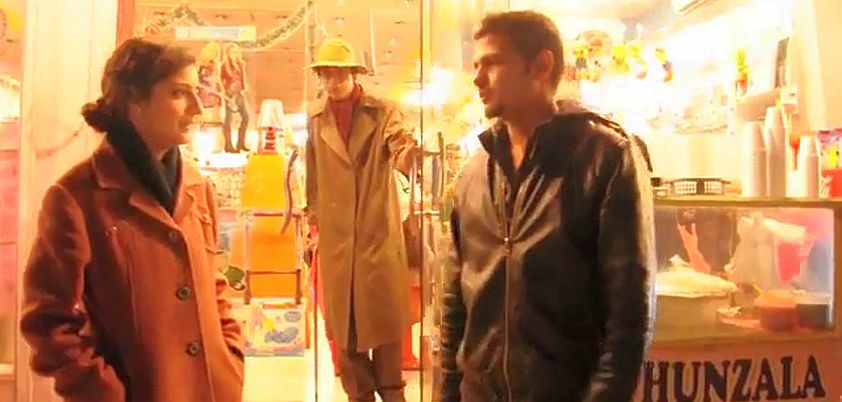
Overcoat: Short story by Ghulam AbbasThe major theme of this story by Ghulam Abbas is how people judge others by their appearance. A clearly impoverished man uses an overcoat, scarf and cane to create the persona of a well-to-do dandy. He enjoys a leisurely stroll through the streets of Lahore, and is welcomed in shops he could not otherwise enter. Importantly, the reader is also taken in by the guise until it is stripped away as his clothes are removed in hospital. Other themes include loneliness, social class, the human desire to “fit in” and be treated with respect, the unpredictability of life and death.

Continue ReadingOvercoat

Naga

Naga: Short story by R. K. NarayanIn this story by R. K. Narayan, a widowed Indian snake charmer trains a monkey for his young son so the two can work together entertaining people in the streets. All goes well until the father runs away with a strumpet in a blue sari, taking the monkey with him. Left alone with the snake, which has grown too old to perform, the boy misses the monkey more than his father. He reluctantly keeps the snake after realizing it can’t survive in the wild, and looks for another kind of work. Themes include poverty, selfishness, abandonment, independence, loyalty, compassion.

Continue ReadingNaga

The Possibility of Evil

The Possibility of Evil: Short story by Shirley JacksonThe major theme of this Shirley Jackson story is that appearances can be misleading. A secondary theme, which is particularly relevant these days, is ‘fake news’. Miss Strangeworth, who possibly suffers from OCD, believes that her letters, although based purely on suspicion, are for the good of the community. Her objective may be noble, but many of the thoughts expressed are evil. The story’s message is two-fold: 1) we must be constantly on guard against the “possibility of evil”; and 2) evil is sometimes committed under the guise of seemingly good causes. Other themes: heritage, haughtiness, alienation, community, revenge.

Continue ReadingThe Possibility of Evil

The New Dress

The New Dress: Short story by Virginia WoolfVirginia Woolf’s middle-aged, lower middle-class protagonist has gone to great lengths to have the perfect dress made for an upper middle-class party. The moment she arrives, she sees that the dress is “not right”. Highly embarrassed, she imagines everyone is mocking her. At first, she blames her situation on her working class upbringing and fantasizes about what might have been if her family had been wealthy. Then, in a moment of introspection, she remembers the good times in her life, commits to a plan for self-improvement, and leaves the party early. Themes: insecurity, self-consciousness, class, poverty, alienation, self-discovery.

Continue ReadingThe New Dress

My Kinsman, Major Molineux

My Kinsman, Major Molineux: Short story by Nathaniel HawthorneThis Nathaniel Hawthorne story is set in the unsettling times shortly before the American Revolution. A naïve eighteen-year-old man travels from the countryside to an unnamed town seeking promised favors from Major Molineux, a distant relative and officer in the British army. Whenever he enquires about the Major’s address, he is met with either scorn or an evasive answer. He learns why when his tarred-and-feathered kinsman is led past him in a street parade. Fortunately, thanks to a kind stranger, there is still a possible future for him in the town. Themes: hope, political unrest, disorder, loss of innocence, compassion.

Continue ReadingMy Kinsman, Major Molineux

A Family Supper

A Family Supper: Short story by Kazuo IshiguroA common feature of Kazuo Ishiguro stories is their ambiguous endings. A young Japanese man returns home after living in America following a falling out with his parents. His mother has died from eating poisonous fugu fish, and his father feels disgraced over the collapse of his business. As a matter of honour, his business partner killed his family and committed suicide following the collapse. At the end of the day, the family sits down to a delicious fish supper prepared by the father. Themes include change (heritage and tradition vs. modernity), generational conflict, family disconnection, grief, guilt, “honour”, murder-suicide.

Continue ReadingA Family Supper

The Weight of a Gun

The Weight of a Gun: Short story by Samrat UpadhyayIn this emotionally charged story by Samrat Upadhyay, a divorced woman tries desperately to prevent her schizophrenic adult son from self-harming or harming others. When she discovers that he has bought a gun and possibly joined Maoist rebels, she seeks help from his father. In the process, she befriends his pregnant, emotionally overwrought new wife who is being shunned by her family. As soon as the baby is born, the new wife does a runner and the husband follows, “temporarily” leaving the baby in her care. Themes include motherhood and motherly love, mental illness, loneliness and isolation, insensitivity, anxiety, superstition.

Continue ReadingThe Weight of a Gun