Marigolds

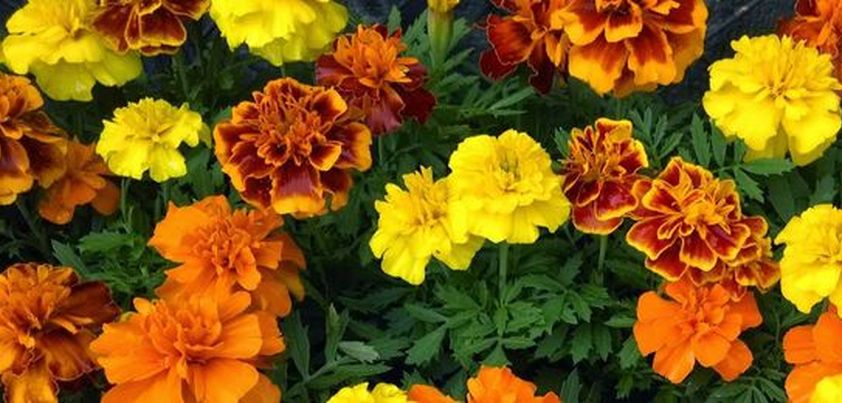
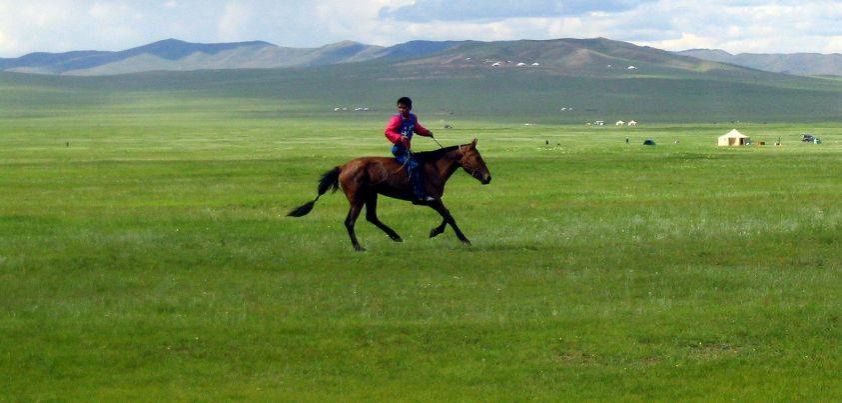
Marigolds: Short story by Eugenia CollierIn Eugenia Collier’s Marigolds the protagonist comes of age (or in her words loses her innocence) when caught in a senseless act of destruction. Angry about her father’s shame over not being able to find work, she lashes out at the garden of a neighbor who is trying to bring beauty and happiness into her life by growing marigolds. Ironically, the neighbor and her disabled son are even more destitute than the protagonist’s family. Themes: childhood memories, poverty, shame, envy, impulsiveness, empathy, guilt and possibly racism (the resentful references to “white folks” and comments about Miss Lottie’s “Indian-like” features).

Continue ReadingMarigolds

How Much Land Does a Man Need?

How Much Land Does a Man Need?: Short story by Leo TolstoyIn this Leo Tolstoy story, a Russian peasant thinks to himself: Our only trouble is that we haven’t enough land. If I had a lot of land, I shouldn’t fear the Devil himself! The Devil ‘overhears’ this and puts him to the test. The more land the man gets, the more he thinks he needs. He hears of a place where for almost nothing you can buy all the land you can walk around in a day. In rushing to encircle as much land as possible, he learns the answer to the titular question. Themes: class, exploitation, temptaion, envy, avarice.

Continue ReadingHow Much Land Does a Man Need?

Wasps’ Nest

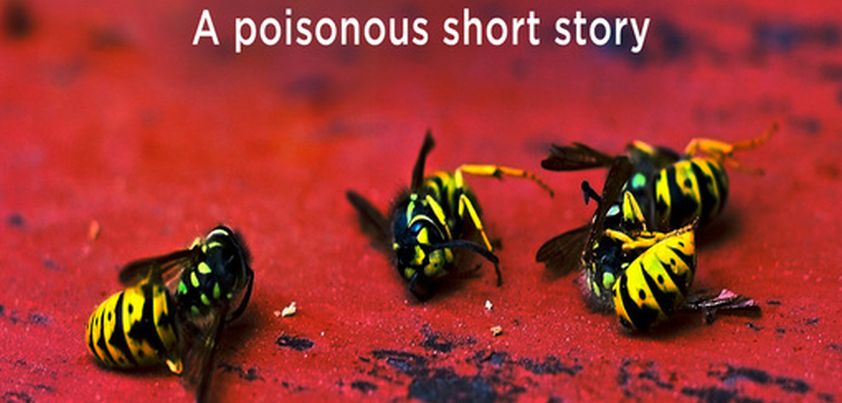
Wasps' Nest: Short story by Agatha ChristieToday we are featuring a story from the great Agatha Christie. Unusually for a detective story, it involves an investigation into a murder that is yet to be committed. Hercule Poirot makes a surprise visit to an old friend and asks him to help prevent the murder. When told that the plot involves a friend of the man who has reason to hate him, he refuses to believe Poirot. Thanks to some very unlikely coincidences and skills learned from a grateful pickpocket, Poirot prevents both the murder and a suicide. Themes: friendship, rivalry, hatred, revenge, redemption, xenophobia.

Continue ReadingWasps’ Nest

The Distance of the Moon

The Distance of the Moon: Short story by Italo CalvinoThis Italo Calvino story is a set in the imaginary past when the moon came close enough to earth each month for people to climb onto it. For some reason, this could only be done by ladder from a boat. The plot involves a love triangle within a group of people who regularly sail out to collect ‘moon-milk’. At the center of the triangle is the captain’s wife, who becomes stranded on the moon as it moves permanently away. The captain seems pleased to be rid of her, but not so the protagonist. This is magical realism at its best.

Continue ReadingThe Distance of the Moon

The Jungle

The Jungle: Short story by Elizabeth BowenThe “jungle” in this story by Elizabeth Bowen is a sealed-off area of woods overgrown with tussocks of bramble (blackberry bush) near an English boarding school. It becomes a secret haven for a lonely student, a fifteen-year-old girl who has difficulty maintaining friendships with others in her class. Things change when she breaks tradition and bonds with a girl in another class. The relationship has its ups and downs, largely because of her new friend’s assertiveness, and culminates in an implied sexual awakening in the jungle. Themes include alienation, teenage relationships, social class, escape, sexuality.

Continue ReadingThe Jungle

May Day Eve

May Day Eve: Short story by Nick JoaquinThe major theme of this story by Nick Joaquin is that happy marriages don’t happen by magic; they require a foundation of mutual respect and constant effort on both sides. A wealthy, controlling man marries a beautiful, feisty, free-spirited woman. Set in late 1800s Philippines under Spanish (Catholic) rule, there is no way out as things go wrong. The woman likens their marriage to living in hell. Her resulting bitterness prompts the vindictive man to label her a witch. After her death, he breaks into tears when thinking about what might have been. Other themes: superstition, compatibility, aging, death, regret.

Continue ReadingMay Day Eve

The Life You Save May Be Your Own

The Life You Save May Be Your Own: Short story by Flannery O'ConnorIn this Flannery O’Connor story a cynical, manipulative, one-armed drifter is given a chance at redemption (settling down to a “better” life) by an equally manipulative mother desperate to secure a future for her mentally handicapped daughter. Rather than the daughter, the man only has eyes for the family’s “barn-find” automobile. Immediately after their wedding, he leaves the girl to an uncertain future at a roadside diner and drives on alone. Perhaps out of guilt, he unsuccessfully tries to absolve himself from the moral consequences of his actions by doing a good deed. Themes: disability, devotion, desperation, deception, redemption, independence.

Continue ReadingThe Life You Save May Be Your Own

The Homemaker / Gharwali

The Homemaker / Gharwali: Short story by Ismat ChughtaiIn this story by Ismat Chughtai, an orphan growing up on the streets learns that her body is her only asset. Alluring and without shame, she is known for providing sex for money, on credit, or as charity. Things change when a friend suggests that a respectable shopkeeper employ her as a housemaid. He refuses because of her reputation, but she is so taken by what she sees after visiting his house that she stays despite his protests and takes over the household. Themes include promiscuity, reputation, hypocrisy, desire, marriage, patriarchy, jealousy, the importance of “belonging”.

Continue ReadingThe Homemaker / Gharwali