A Father-To-Be

A Father-To-Be: Short story by Saul BellowIn this playful story by Saul Bellow, a successful scientist in an illuminated state of mind makes his way to have dinner with his fiancée. As he contemplates fellow passengers on the subway, he is shocked to notice the resemblance between his future wife and the “flat-looking dandy of respectability” sitting next to him. He begins to wonder what her children will look like, and is so disturbed by the thought he decides to end the relationship. Fortunately, her soothing hands erase the memory. Themes include “duty”, financial stress, pride, self-discovery, appearance, heredity, self-delusion, submissiveness.

Continue ReadingA Father-To-Be

Separating

Separating: Short story by John UpdikeMarriage break-ups, especially where children are involved, can be stressful for all concerned. John Updike’s Separating is written from a self-absorbed husband/father’s point of view. Ironically, despite Richard’s inferred infidelity, Updike reverses traditional gender roles by painting him as the weepy, emotional victim and his wife Joan as the heartless, unforgiving partner pushing for separation. The children demonstrate varying levels of understanding and acceptance. Older son Dickie’s “romantic” kiss highlights the confusion among them, and Richard’s shallowness finally shows through in his inability to answer Dickie’s obvious question. Themes: family, marriage, separation, anguish, guilt, confusion, regret.

Continue ReadingSeparating

The Zulu and the Zeide

The Zulu and the Zeide: Short story by Dan JacobsonIn this touching story by Dan Jacobson, a South African businessman is resentful towards his senile Jewish father for the embarrassment he causes and his many failings in life. As a cruel joke, he employs a “raw” Zulu from the countryside to keep his father out of trouble. Despite the language barriers, the Zulu does such a good job that a camaraderie develops between them and the old man begins to depend upon him. The infuriated son responds by humiliating the Zulu. Themes include aging and dependency, family, duty, humanity and compassion, jealousy, social class, racism, guilt.

Continue ReadingThe Zulu and the Zeide

The Landlady

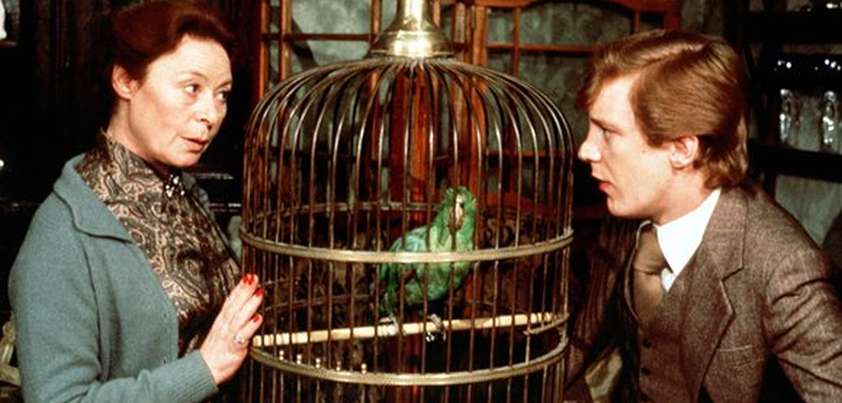
The Landlady: Short story by Roald DahlThe theme of this Roald Dahl story is the commonly adopted things aren’t always as they seem. What sets it apart is the way Dahl gradually builds tension, starting with his descriptions of the weather and outdoor setting, then moving on to the supernatural before young Billy even meets the “motherly” landlady. (Each word was like a large black eye staring at him through the glass, holding him …) From then on, almost every step involves dramatic irony. The reader can see that something is wrong, which softens the impact of the horror ending, but naïve Billy remains frustratingly oblivious.

Continue ReadingThe Landlady

Stone Mattress

Stone Mattress: Short story by Margaret AtwoodFrom the opening line of this Margaret Atwood story (At the outset Verna had not intended to kill anyone), we know someone will die. An woman who has become wealthy by helping four elderly husbands depart not only happy but grateful, if a little sooner than might have been expected, treats herself to an arctic cruise. Everything changes at the pre-cruise meet-and-greet, when she recognizes a man who had brutally raped her fifty years earlier. He doesn’t recognize her, and she begins to plot the perfect murder. Themes include rape, self-righteousness, resilience, seduction and manipulation, anger, violence, revenge, aging.

Continue ReadingStone Mattress

The House Opposite

The House Opposite: Short story by R. K. NarayanIn this story by R. K. Narayan, an Indian “hermit” is both offended and titillated by the activities of a prostitute living opposite. His initial reaction is to label her a “monstrous” devil. However, imagining what she does night after night excites him to the point of obsession. There is a double irony here. The hermit, who has supposedly given up all pleasures, is consumed by desire. The prostitute, who regards him as a saint, respectfully seeks his blessing. It is not until this request that the hermit recognizes the woman’s humanity. Themes include spirituality, desire, self-righteousness, judging others, humanity.

Continue ReadingThe House Opposite

Bliss

Bliss: Short story by Katherine MansfieldIn this story from Katherine Mansfield, a thirty-year-old wife and mother who marvels at her joyful, upper middle-class life learns the meaning of the proverb ignorance is bliss. Throughout the story, which takes place over a single day, she seeks to identify the source of her happiness. Over dinner with some artistic friends, there is an indication that it may be linked to a new friendship with a female guest. Strangely, this results in her first ever strong sexual desire for her husband. Alas, her lust and bliss are soon shattered. Themes: happiness, modernity, sexuality and desire, deception, adultery.

Continue ReadingBliss

‘If I Forget Thee, Oh Earth…’

'If I Forget Thee, Oh Earth...' : Short story by Arthur C. ClarkeThis coming of age story by Arthur C. Clarke carries a familiar theme for 1950s/1960s science fiction: the prospect of Earth being rendered uninhabitable due to nuclear conflict, and humankind existing only in isolated settlements throughout space. Here, a man takes his ten-year-old son on his first trip outside the protective dome of a moon colony. The boy’s wonder at seeing stars for the first time soon fades as he observes the glowing, radiated Earth and realizes that his generation will never be able to return. Other themes include isolation, survival, self-sufficiency, misused technology, legacy, hope.

Continue Reading‘If I Forget Thee, Oh Earth…’