
The Distance to Andromeda
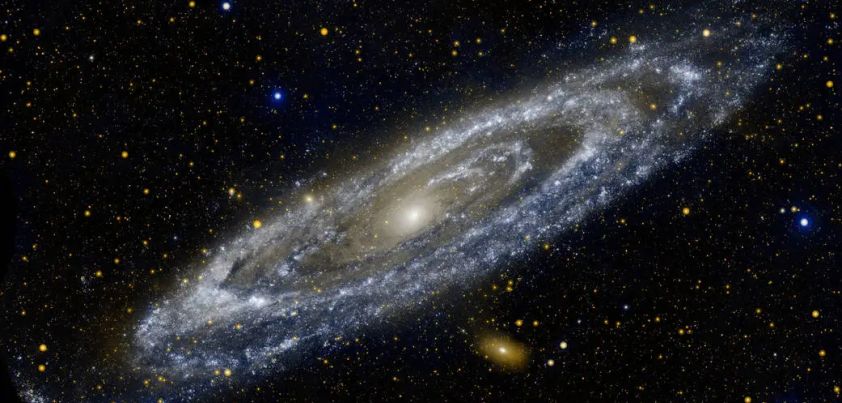 In this story by Gregorio C. Brillantes, a thirteen-year-old Philippine boy comes to terms with his place in the universe. After watching a science-fiction movie featuring post-apocalyptic survivors traversing the vastness of space searching for an Earth-like planet, the boy questions the significance of his existence. The answer comes to him after dinner that night, as he sits on the porch with his close-knit family. The size of the universe (The Distance to Andromeda) is irrelevant. He is important to his family, and his current place is with them. Themes include doubt, family, love, faith, security, father-son relationships.
 This story by
 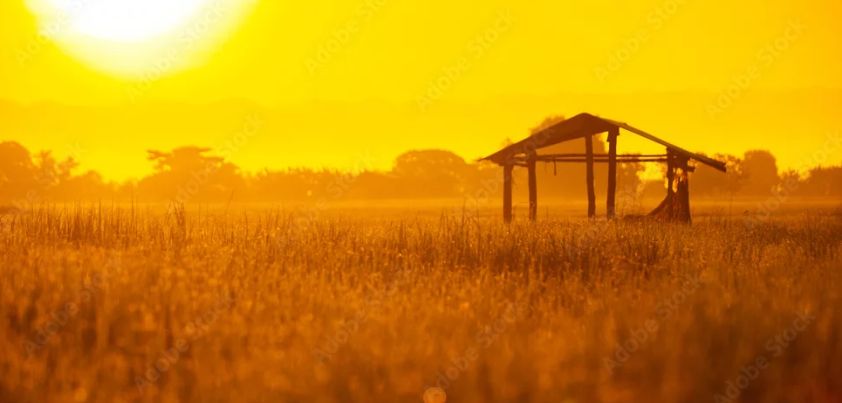 In this story by Witthayakon Chiangkun, a busload of enthusiastic Bangkok college students descend upon an isolated, poverty-stricken rice farming village as part of a 1960s national community development program. Despite their best efforts, differences in speech, dress and perceived social class make integration difficult. They have been sent during their school vacation to build a Community Hall, something the contented villagers neither asked for or need. Apart from the narrator, a young teen, the Hall’s only users are water-buffaloes seeking shelter from the sun. Themes include identity, innocence, city vs. country cultural divide, politicization, benevolence, bureaucratic disconnection.
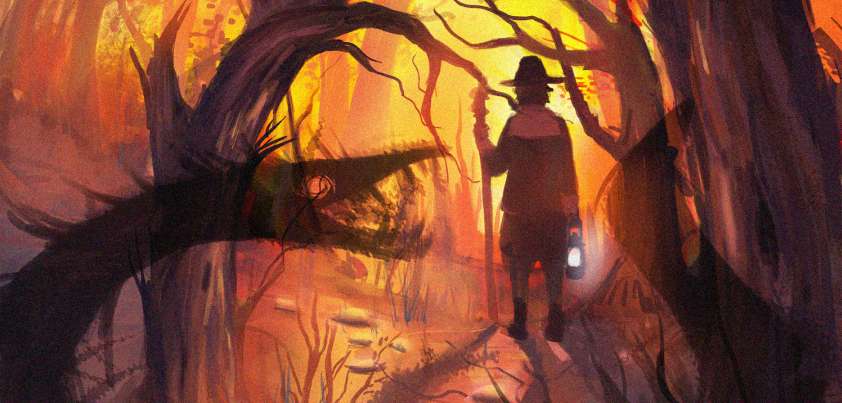 In this story by
  This
This  This story by
 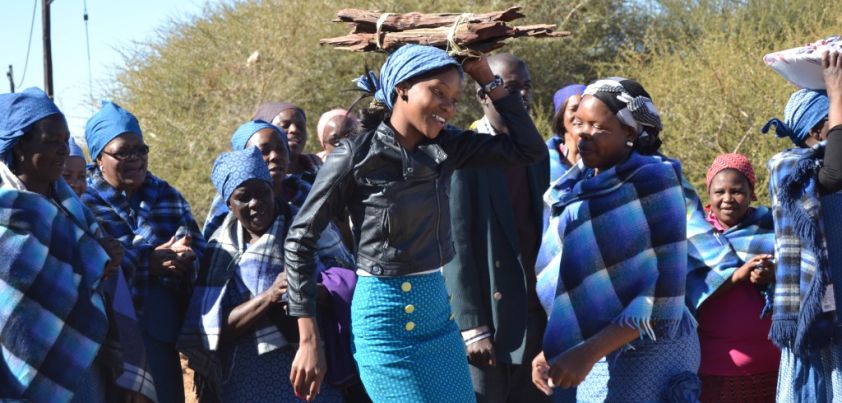 Set in the mid-1990s, this story by
  In this story by