Greatness Strikes Where It Pleases

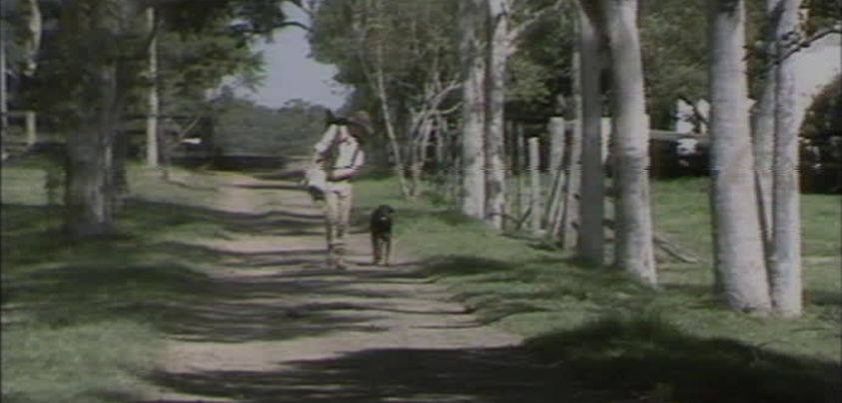
Greatness Strikes Where It Pleases: Short story by Lars GustafssonThis touching story by Lars Gustafsson explores the life of a severely retarded man who was institutionalized from age seven. Although it mentions the obvious issues of social isolation, loneliness, and ill-treatment, these are not the focus of the story. Rather, it is a celebration of how, cut off from society and without love or human companionship, he uses childhood memories to connect to the world through an imaginary private universe in which, as the creator, he holds a place of greatness. Themes include social isolation and loneliness, powerlessness, the importance of language, memories, imagination, connection.

Continue ReadingGreatness Strikes Where It Pleases

The Wife’s Story

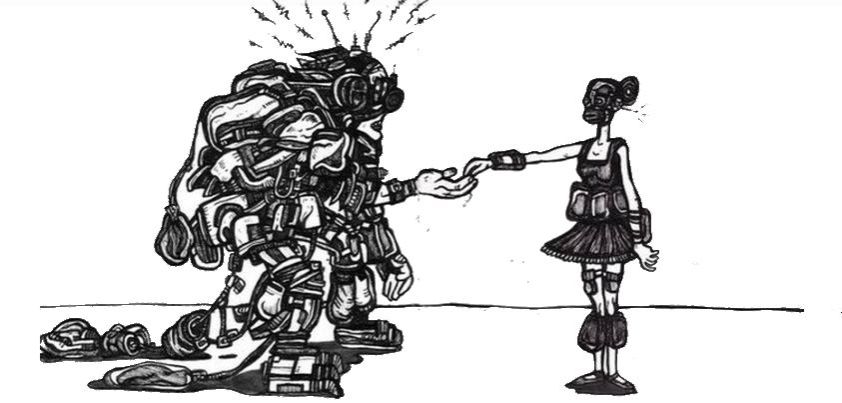
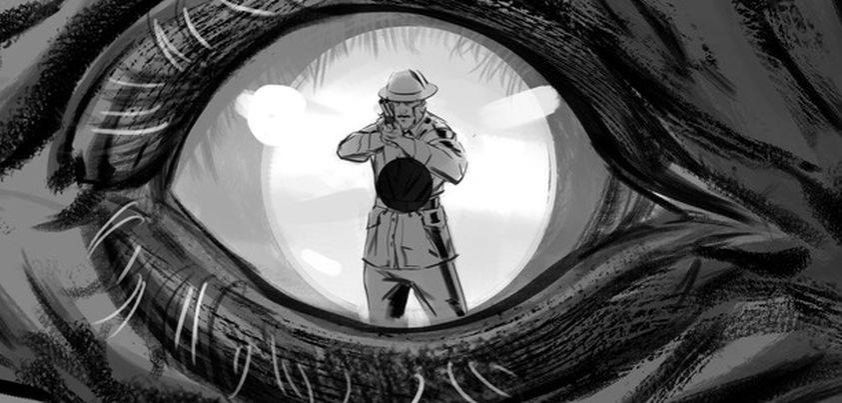
The Wife's Story: Short story by Ursula Le GuinIn addition to its themes of love, trust, family and perception, this Ursula Le Guin story carries two important messages. The first is that we are often so blinded by our love for someone that we fail to notice subtle hints that may indicate flaws or emerging problems in their character. The second is that there are always two sides to every interaction between sentient beings. To many humans, wolves are wild, dangerous predators to be shot on sight. To wolves, man is a feared aggressor who all too often attacks and kills them for living as nature intended.

Continue ReadingThe Wife’s Story

Footnote to Youth

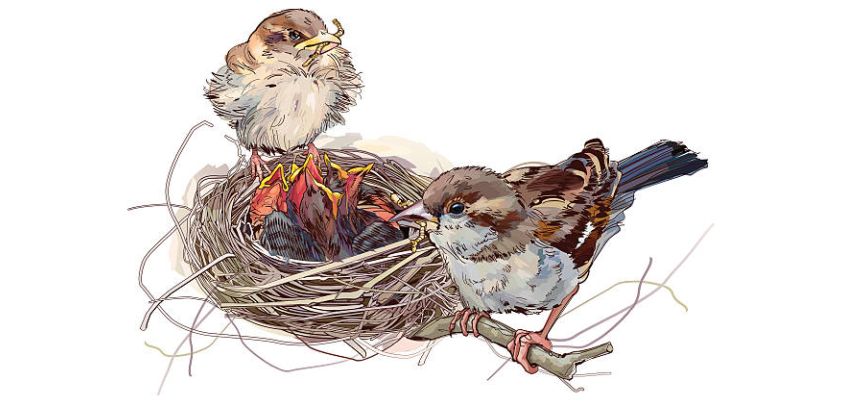
Footnote to Youth: Short story by José García VillaThis story by José García Villa provides a stark warning about the consequences of marrying too young. A seventeen-year-old Filipino boy from a poor farming family insists on marrying his girlfriend. Whatever his reason (love, tradition, desire for independence), neither is happy in the marriage. Amid the daily grind of farm life and the responsibilities of raising a family, both experience disillusionment and regret. Sadly, the cycle begins again when their oldest son turns eighteen. Themes include immaturity, impulsiveness, the romance vs. reality of marriage, lack of fulfilment, disillusionment, regret, the cyclical nature of life.

Continue ReadingFootnote to Youth

Yellow Moepels

Yellow Moepels: Short story by Herman BosmanIn this story by Herman Bosman, a young a young farmer riding off to fight the British during the short First Boer War promises the girl he is engaged to that he will be home when the moepel fruit are ripe (yellow). The girl visits a native witch-doctor who tells her the same thing. We learned earlier in the story that witch-doctors can only tell you the things that don’t matter in your life. There is something more important in the girl’s future that the witch-doctor neglected to divulge. Themes: love, superstition, war, “bravery”, memory, racism.

Continue ReadingYellow Moepels

Islands

Islands: Short story by Aleksander HemonSet in the 1970s before the breakup of Yugoslavia, this semi-autobiographical story by Alexsander Hemon describes a Bosnian family’s holiday visit to relatives on a Croatian island. The narrator is a nine-year-old boy indoctrinated in communist ideology. He experiences several traumatic events over the week, the most notable of which is his uncle’s account of the brutal mistreatment and torture of children in Stalin’s prison camps. This shatters his view of the world, and challenges his belief in his own government (the Tito regime). Themes include memory, trauma, loss of innocence, self-awareness and identity, disillusionment, birth, death and futility.

Continue ReadingIslands

Where Have You Gone, Charming Billy?

Where Have You Gone, Charming Billy?: Short story by Tim O'BrienPrivate First Class Paul Berlin faces three antagonists in this story by Vietnam veteran Tim O’Brien: the enemy (it is after all a war story!), his fellow soldiers (he will be punished and/or branded as a coward if he fails in his duty), and himself (the ability to control his fear). Although the major theme is clearly fear, the story also highlights the naivety and youthful innocence of many of those sent to fight in the war. Fear is presented as two-dimensional. While giving in to it can have grave consequences, facing and harnessing it can save a soldier’s life.

Continue ReadingWhere Have You Gone, Charming Billy?

Notes to My Biographer

Notes to My Biographer: Short story by Adam HaslettThe narrator of this dark comedy by Adam Haslett is a mentally ill seventy-three-year-old. The proud, delusional man won’t acknowledge the problem, refuses to take his medication, and is in severe financial difficulty. After a road trip to visit his son Graham, the only family member who will see him, he comes up with an idea for a revolutionary new bicycle that will make both of them rich. Graham, who is secretly battling the same illness as his father, is left shattered by the visit. Themes include mental illness, pride, estrangement, loneliness, obsession, paranoia, sexuality, embarrassment, fear.

Continue ReadingNotes to My Biographer

The Destructors

The Destructors: Short story by Graham GreeneThis acclaimed but rather disturbing story from Graham Greene is set in the aftermath of World War 2. A group of boys known as the Wormsley Common Gang meet daily to plan acts of mischief around London. A new member successfully challenges the leader and, in suggesting the destruction of an old man’s stately two-hundred-year-old house, elevates their mischief from harmless fun to wanton vandalism and cruelty. The major theme of the story is class (rebellion against the pre-war materialistic social order, as symbolized by the house). Other themes: innocence, the quest for and misuse of power, cruelty.

Continue ReadingThe Destructors