Islands

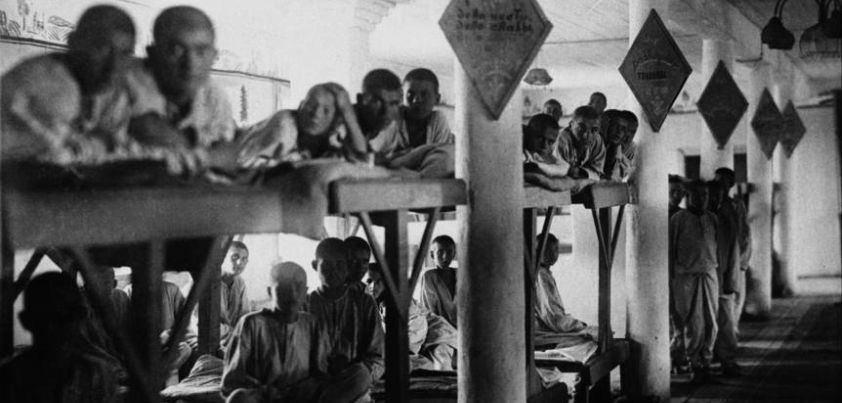
Islands: Short story by Aleksander HemonSet in the 1970s before the breakup of Yugoslavia, this semi-autobiographical story by Alexsander Hemon describes a Bosnian family’s holiday visit to relatives on a Croatian island. The narrator is a nine-year-old boy indoctrinated in communist ideology. He experiences several traumatic events over the week, the most notable of which is his uncle’s account of the brutal mistreatment and torture of children in Stalin’s prison camps. This shatters his view of the world, and challenges his belief in his own government (the Tito regime). Themes include memory, trauma, loss of innocence, self-awareness and identity, disillusionment, birth, death and futility.

Continue ReadingIslands

Where Have You Gone, Charming Billy?

Where Have You Gone, Charming Billy?: Short story by Tim O'BrienPrivate First Class Paul Berlin faces three antagonists in this story by Vietnam veteran Tim O’Brien: the enemy (it is after all a war story!), his fellow soldiers (he will be punished and/or branded as a coward if he fails in his duty), and himself (the ability to control his fear). Although the major theme is clearly fear, the story also highlights the naivety and youthful innocence of many of those sent to fight in the war. Fear is presented as two-dimensional. While giving in to it can have grave consequences, facing and harnessing it can save a soldier’s life.

Continue ReadingWhere Have You Gone, Charming Billy?

Notes to My Biographer

Notes to My Biographer: Short story by Adam HaslettThe narrator of this dark comedy by Adam Haslett is a mentally ill seventy-three-year-old. The proud, delusional man won’t acknowledge the problem, refuses to take his medication, and is in severe financial difficulty. After a road trip to visit his son Graham, the only family member who will see him, he comes up with an idea for a revolutionary new bicycle that will make both of them rich. Graham, who is secretly battling the same illness as his father, is left shattered by the visit. Themes include mental illness, pride, estrangement, loneliness, obsession, paranoia, sexuality, embarrassment, fear.

Continue ReadingNotes to My Biographer

The Destructors

The Destructors: Short story by Graham GreeneThis acclaimed but rather disturbing story from Graham Greene is set in the aftermath of World War 2. A group of boys known as the Wormsley Common Gang meet daily to plan acts of mischief around London. A new member successfully challenges the leader and, in suggesting the destruction of an old man’s stately two-hundred-year-old house, elevates their mischief from harmless fun to wanton vandalism and cruelty. The major theme of the story is class (rebellion against the pre-war materialistic social order, as symbolized by the house). Other themes: innocence, the quest for and misuse of power, cruelty.

Continue ReadingThe Destructors

The Management of Grief

The Management of Grief: Short story by Bharati MukherjeeThis story by Bharati Mukherjee is a fictional account of how families of Canadian-Indian passengers coped (or in some cases couldn’t cope) in the aftermath of the 1985 bombing of Air India Flight 182. Told through the eyes of a woman who lost her husband and two sons, the story contrasts the Canadian government’s insensitive, “textbook” approach to grief management with the protagonist’s conviction that we must all grieve in our own way according to our cultural traditions and personal preferences. Themes: denial (hope) vs. acceptance, despair, cultural tradition, bureaucracy, collective vs individual identity, collective blame.

Continue ReadingThe Management of Grief

Pillar of Salt

Pillar of Salt: Short story by Shirley JacksonIn this story by Shirley Jackson, a New Hampshire couple’s idyllic holiday in New York goes awry when the woman panics after falsely thinking a building they were in was on fire. She sees the once bright, exciting city differently, losing confidence among the crowds and imagining decay everywhere. When the couple discover a body part on a Long Island beach, she spins out of control. The next day, alone on a crowded sidewalk, she is too scared to even cross the street. Themes include loss of identity (powerlessness and invisibility among the crowds), anxiety, paranoia, fear.

Continue ReadingPillar of Salt

The Devil

The Devil: Short story by Guy de MaupassantIn The Devil, Guy de Maupassant adopts the unusual (for him) approach of lightening a dark story-line with some playful dialog. A heartless old washerwoman has a side job nursing fellow villagers as they approach death. She normally charges by the day, but when forced into agreeing to a flat fee she has a ‘devilish’ way of helping her patients move along sooner rather than later. The major theme is greed, as evidenced by the lengths she and other villagers will go to if they can save a penny (or in this case, a sou). Other themes: death, poverty, deceit.

Continue ReadingThe Devil

The Verger

The Verger: short story by W Somerset MaughamThis story by W Somerset Maugham is about man named Albert who has worked hard as a church official for 16 years. When a new vicar learns Albert cannot read or write, he tells him that he must leave the job. Rather than go home immediately, Albert walks the streets trying to think of what he can do. During the walk, he decides to open a business. He soon proves that you don’t need a good education to be a success. All you need is the ability to think creatively, and the courage to back your ideas.

Continue ReadingThe Verger