Victory Over Japan

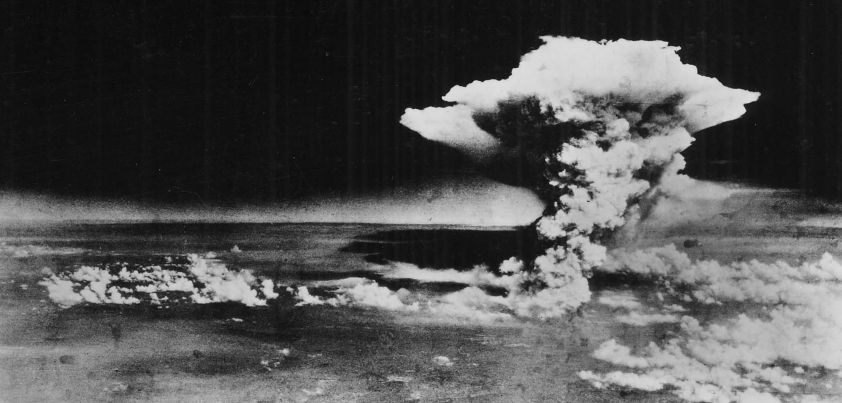
Victory Over Japan: Short story by Ellen GilchristToday we are featuring the trilogy of “Rhoda” stories from Ellen Gilchrist’s short story collection Victory Over Japan. In the titular first story, set in the final days of World War 2, Rhoda is a willful third-grader living in fear of when her disciplinarian father returns home from the war. In the second story, Music, she is a rebellious fourteen-year-old, obsessed with beauty and romance and constantly at war with her father. In the final story, The Lower Garden District Free Gravity Mule Blight or Rhoda, a Fable, she is a lost thirty-four-year-old at a crossroads.
Continue ReadingVictory Over Japan

The Man Who Could Work Miracles (A Pantoum in Prose)

The Man Who Could Work Miracles: Short story by H. G. WellsIn this light-hearted story by H. G. Wells, a man known as a sceptic as far as miracles are concerned suddenly discovers he can make things happen just by thinking about them. After a few teething problems, such as sending a local police constable to Hades, he confides in his parish priest. Once convinced, the priest becomes so obsessed with using the miracle worker’s powers for good that he inadvertently encourages him to do something that brings about global catastrophe. Themes include the supernatural, power and responsibility, human frailty, the danger of interfering with nature, science vs. religion.

Continue ReadingThe Man Who Could Work Miracles (A Pantoum in Prose)

In a Grove

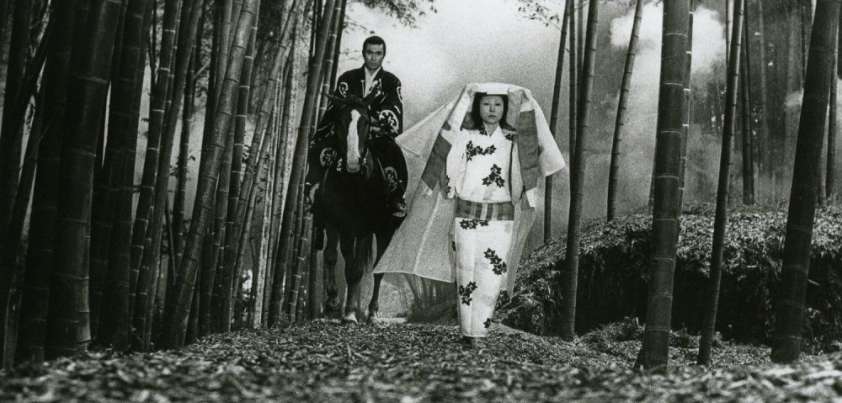
In a Grove: Short story by Ryūnosuke AkutagawaRyūnosuke Akutagawa‘s In a Grove, published in 1922, is based on a classical Japanese tale first documented in the 12th century. It comprises seven accounts, including three confessions, relating to the death of a young Samurai. There are differences between each account, and none of the confessions are totally convincing. The story shares similarities with Ambrose Bierce’s Moonlit Road, published fifteen years earlier. Both stories feature unreliable narrators (including the spirit of the victim speaking through a medium) and leave readers to draw their own conclusions about the crime and identity of the killer. Who do you think did it?

Continue ReadingIn a Grove

Mammon and the Archer

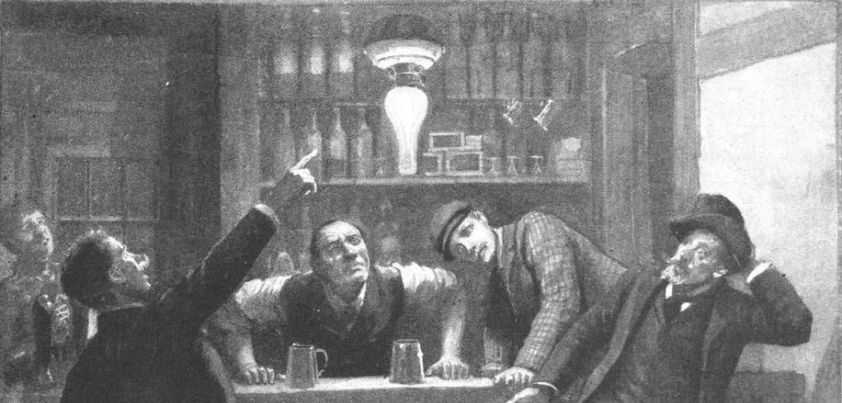
Mammon and the Archer: Short story by O. HenryMammon is a biblical term for great wealth. In this story by O. Henry, a self-made millionaire is initially of the belief that money can buy anything. When his son falls in love with a woman from an aristocratic family, he learns there are two things his money can’t buy: love and family recognition among New York High Society. Fortunately for his son, it is able to buy the young man enough time to allow the archer to do his job. Themes include money vs. love, pride, new vs. old money, upper class etiquette, superstition, deception.

Continue ReadingMammon and the Archer

Charles

Charles: Short story by Shirley JacksonMost readers see Laurie, the subject of this Shirley Jackson story, as a naughty boy who tries to gain attention in kindergarten by misbehaving. He creates an alter ego named Charles to tell his parents what happens at school and later, to explain getting home late. However, there is an equally possible alternative interpretation. Laurie may have behaved quite normally at school and created an imaginary naughty classmate to gain attention at the dinner table. Both are consistent with the teacher’s vague assessment of Laurie. Either way, themes include behavior, identity, the desire for attention, deception, ambiguity.

Continue ReadingCharles

The Bog Man

The Bog Man: Short story by Margaret AtwoodAs in an earlier Margaret Atwood story, The Age of Lead, The Bog Man revolves around a long-dead body. A university student’s hero worship of her archaeology professor leads to a torrid affair during which she accompanies him as his ‘assistant’ to inspect a 2,000-year-old body preserved in a Scottish peat bog. As his invisible wife comes between them, she feels “cheap and furtive”. Recognizing his shallowness, she ends the relationship. Like the bog man, over the years he becomes flatter and more leathery, as life goes out of him in her mind. Themes include infatuation, sexual exploitation, desire, guilt, empowerment.

Continue ReadingThe Bog Man

The Prisoner Who Wore Glasses

The Prisoner Who Wore Glasses: Short story by Bessie HeadThis story from Bessie Head is about a group of political prisoners who unite to survive the harsh South African penal system. Physically, the main character (Brille) is the weakest of the span of ten prisoners. This is reflected in his build, his clumsiness, and his poor eyesight. Brille compensates for these weaknesses with strength of character and insight. A beating from a warder helps him see that he entered politics for the wrong reason; it also shows him a way to manipulate the warder to improve things for the whole span. His glasses symbolize both weakness and perceptiveness.

Continue ReadingThe Prisoner Who Wore Glasses

Prey

Prey: Short story by Richard MathesonIn this story by Richard Matheson, a woman buys her new boyfriend a Zuni fetish doll for his birthday. A scroll inside the box reads THIS IS HE WHO KILLS…. HE IS A DEADLY HUNTER. As she prepares to shower, the doll turns out to be the real deal. It escapes the gold chain designed to keep the hunter’s spirit locked inside and sets off in search of prey. Although the girl and the spirit appear temporarily happy with the outcome, the girl’s mother may not be! Themes include control, isolation, violence, fear, determination, the supernatural.

Continue ReadingPrey