Arabesque: The Mouse

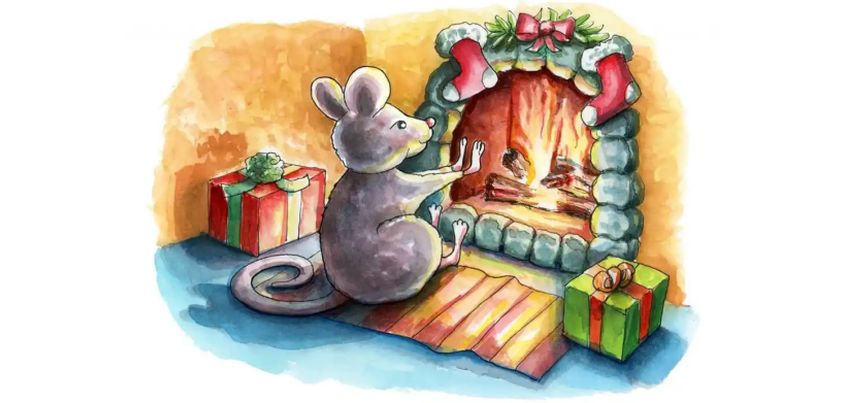
Arabesque: The Mouse: Short story by A. E. CoppardIn this psychological horror story by A. E. Coppard, an idealistic man who has withdrawn from society due to constant rebuff sits alone in a mouse-infested garret. As he watches the antics of a mouse in front of his fireplace, his mind wanders to the death of his mother and loss of the only woman he ever loved. When he comes back to reality, the mouse is sitting before a trap with its forepaws torn off. Association of this with his mother’s grisly death sends him to the brink of madness. Themes include mother-child relationships, loss, depression, despair, shame, insanity.

Continue ReadingArabesque: The Mouse

The Door in the Wall

The Door in the Wall: Short story by H. G. WellsThe major theme of this psychological fantasy by H. G. Wells is the conflict between reality (logic) and imagination. A precocious five-year old from a loveless household is permitted to walk the streets of London alone. One day he is drawn to a door that opens to an enchanted garden where he is greeted by tame animals and a beautiful, loving woman and plays with friendly children. Despite achieving great success in life, he becomes obsessed with re-visiting the garden. Other themes: childhood neglect, alienation and loneliness, escape, regret, obsession, success vs. happiness.

Continue ReadingThe Door in the Wall

The Signal-man

The Signal-man: Short story by Charles DickensMany Charles Dickens stories feature ghosts. Part of the attraction of The Signal-man is that, although generally considered one of these, there is no hard evidence of a ghost. Dickens masterfully uses setting to create a forbidding, unearthly atmosphere, and then leaves the question of the ghost to the reader. Like all first-person stories, the narrator’s version is open to misinterpretation and bias. The only evidence of the supernatural are the ghostly sightings described by the (now dead) signal-man, and some (potentially coincidental) shared expressions and gestures. Themes: duty & responsibility, fate, isolation, guilt, sanity, the supernatural.

Continue ReadingThe Signal-man

Solitude

Solitude: Short story by Miguel De UnamunoThis story by Miguel De Unamuno should not be confused with his soliloquy of the same name by a man who chooses solitude. Predicting what her baby daughter’s future will hold, the dying wish of a woman married to a selfish, uncaring man is that she be named Solitude. After a failed love affair and the death of her father, the girl lives up to her name. When questioned years later, she has some interesting observations on men (Poor little fellows!) and erotica. Themes include isolation and loneliness, bullying, unrequited love, contentment in solitude.

Continue ReadingSolitude

Once Upon a Time

Once Upon a Time: Short story by Nadine GordimerAlthough Nadine Gordimer’s Once Upon a Time follows a fairy-tale pattern (there is even a wise old witch!), the storyline doesn’t have a fairy-tale ending. On a superficial level, it could be regarded as a parody of The Three Little Pigs: a family builds a stronger and stronger house to keep out the big bad wolf, only for the extra security to ruin their lives. On a more serious note, the story has several important themes: Racism, Apartheid and Inequality (which lead to Social Decay) and the consequences of being ruled by Fear (Anxiety, Overreaction, and in this case Self-Destruction).

Continue ReadingOnce Upon a Time

The English Pupil

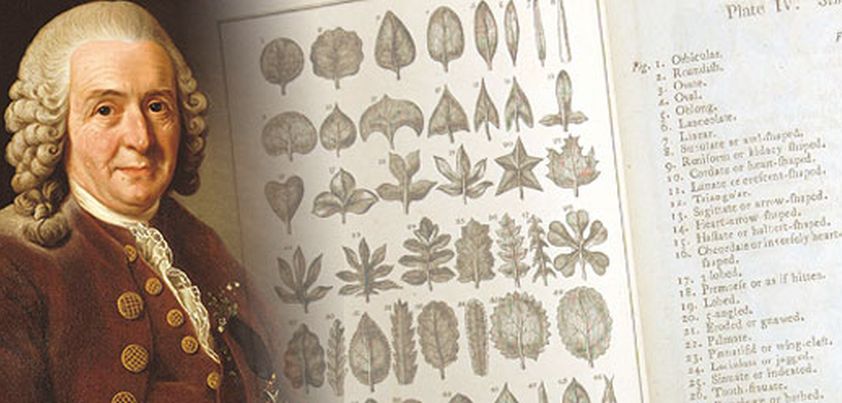
The English Pupil: Short story by Andrea BarrettIn addition to being a celebration of the life and work of renowned biologist Carl Linnaeus, major themes of this touching story by Andrea Barrett are aging, memory and approaching death. The dying scientist has his coachman take him to his empty country estate where, amid a fog of fading memories, he reminisces about his life and the fate of some of the “apostles” he sent around the world to collect biological specimens. Later, he is joined by a concerned daughter and an unknown man he imagines to be his only surviving pupil. Other themes include family, pride and regret.
Continue ReadingThe English Pupil

The Shroud / Kafan

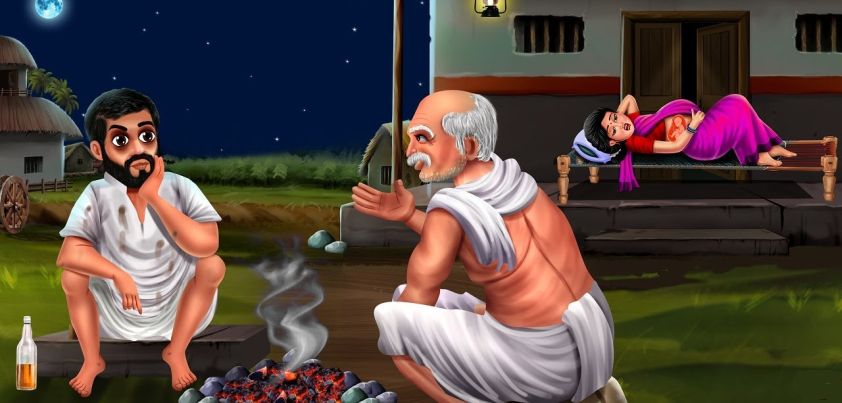
The Shroud / Kafan: Short story by PremchandThis dark comedy by Premchand follows father and son Chamars (one of the Dalit or “untouchable” sub-castes) as they go to buy a funeral shroud for the son’s deceased wife. The lazy but likeable pair, who will do anything to shirk work, end up spending donated shroud money on a boozy night in town. The story satirizes the caste system by pointing out that those who can never rise above their low birth position have little incentive to do more than ensure their survival. Themes include social class, callousness, indolence, tradition, selfishness, exploitation (of the generosity of others).

Continue ReadingThe Shroud / Kafan

The Guest

The Guest: Short story by Albert CamusIn this story by Albert Camus, a policeman orders Daru, a teacher from a remote Algerian school, to escort an alleged murderer to the nearest city. Camus was an early philosopher in the field of Existentialism. The story features several existential themes: the absurd (The situation Daru finds himself in.); the need to choose (Daru can follow the policeman’s order or set the man free; the man can go South to freedom or East to captivity.); and angst (Daru was in a “no win” situation. Whatever decision he makes will have unpleasant, and possibly deadly, consequences.) Other themes: honor, hospitality.

Continue ReadingThe Guest