
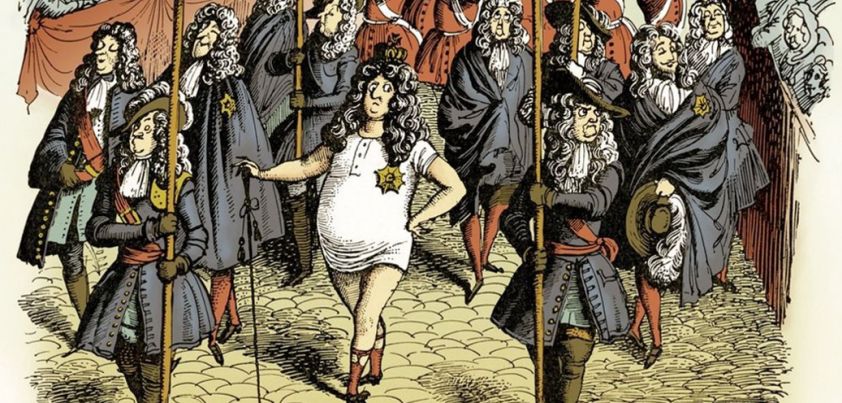
 The main theme of this famous children’s story from Hans Christian Andersen is, of course, vanity. Other themes include deceit, gullibility, honesty (fear of speaking up) and pride. The Emperor who puts appearance before the well-being of his people, and his courtiers who sense that something is amiss but don’t have the courage to report it, carry two important messages. We shouldn’t judge people by the clothes they wear, what brand of phone they carry etc., and children should be encouraged to speak up if safe to do so when they see something that is wrong.
Our source for the story was the Project Gutenberg e-book Fairy Tales of Hans Christian Andersen. Like many early children’s writers, some of Andersen’s stories re-told folktales that he had heard as a child. This is one of these. The folktale that inspired it is almost certainly A King and Three Imposters (aka The Invisible Cloth), a story from the 1335 book El Conde Lucanor by Spanish writer Don Juan Miguel. Instead of vanity, the main theme of this folktale is greed.
The Emperor’s New Clothes Original Text / PDF / Audio (1,550 words)