Featured Stories

The Homecoming Stranger

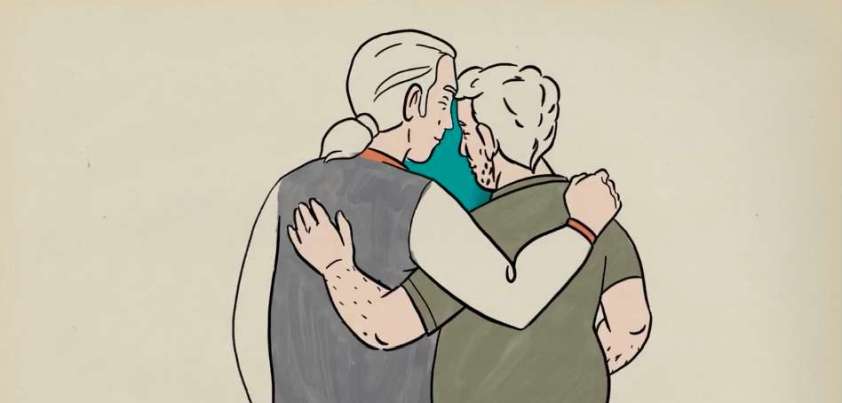
The Homecoming Stranger: Short story by Bei DaoIn this story by Bei Dao, a young woman in 1970s China has difficulty dealing with her father’s homecoming after being falsely convicted of literary crimes and spending twenty years in prison. She feels resentment, not only over what she sees as his ‘desertion’, but also over her mother standing by when she was imprisoned and tortured at age twelve. Fortunately, on coming to understand her father’s love and the courage he had showed, she realizes her selfishness and they reconcile. Themes include the unfairness and brutality of the Mao regime, resentment, hypocrisy, rejection, fatherly love, courage, selfishness, forgiveness, reconciliation.

Continue ReadingThe Homecoming Stranger

Extra

Extra: Short story by Yiyun LiThis story by Yiyun Li highlights the helplessness of the working class in China’s race to modernity. A fifty-one-year-old spinster comes of age after being retrenched by a bankrupt garment factory. Her next two jobs involve “extras”, people who have been cast off by their family. First, as wife/carer to a dying old man; second, as a maid in a boarding school where she experiences love in a special friendship with a rejected six-year-old boy. In a fit of temper, the boy does something that sees her jobless again. . Themes include social change, compassion, abandonment, isolation, maternal love, survival.

Continue ReadingExtra

The Nose

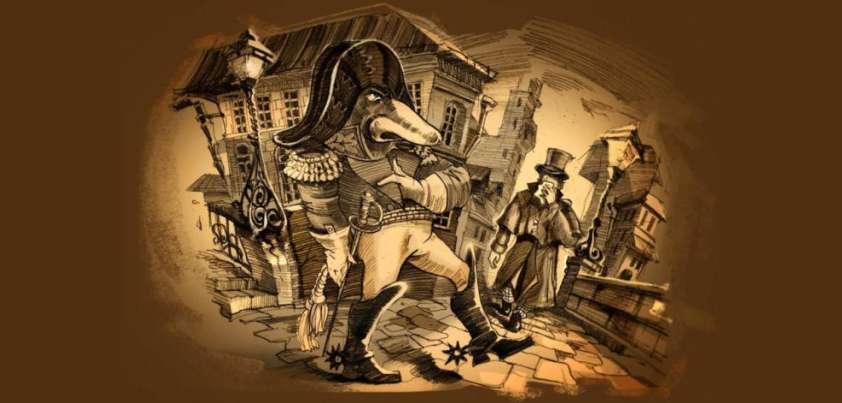
The Nose: Short story by Nikolai GogolNikolai Gogol was a pioneer in absurdist fiction, writing this story almost eighty years before Franz Kafka’s iconic Metamorphosis. Gogol’s absurdism served an important purpose: social criticism. The Nose is a comical account of “Major” Platon Kovaloff, a vain, pompous and narcissistic municipal official who goes looking for his wandering proboscis. Kovaloff is so obsessed with improving and capitalizing on his social position that he feels emasculated without it. The story satirizes three aspects of Russian society: 1) the corrupt government bureaucracy; 2) its fixation on superficial signs of importance; and 3) how different social classes view and treat women.

Continue ReadingThe Nose

Liberty

Liberty: Short story by Julia AlvarezOn a superficial level, the speckled dog in Julia Alvarez’s Liberty symbolizes the freedom the protagonist’s family are looking forward to in America, and the freedom the girl hopes to find in her own country when she returns. On another level, it could symbolize the American consul: a seemingly ordinary person who causes trouble. Darker themes include implied American involvement in covert actions against her country’s government, the surveillance and atmosphere of fear that builds throughout, and the fact that the family’s freedom requires a sacrifice… turning their beloved dog loose to fend for itself.

Continue ReadingLiberty

The Enchanted Buffalo

The Enchanted Buffalo: Short story by L. Frank BaumContrary to the title, this story by L Frank Baum is about events that took place in a herd of American bison, not buffalos. With help from Pagshat, the “Evil Genius of the Prairies”, a treacherous bull kills his herd’s aging and much loved king. After defeating four challengers for the position, he is declared the new leader. His only remaining threat is the young son of the old king who, with more help from Pagshat, he plans to eliminate before he reaches maturity. Themes include aging, greed, betrayal, magic/the supernatural.

Continue ReadingThe Enchanted Buffalo

Ribbons

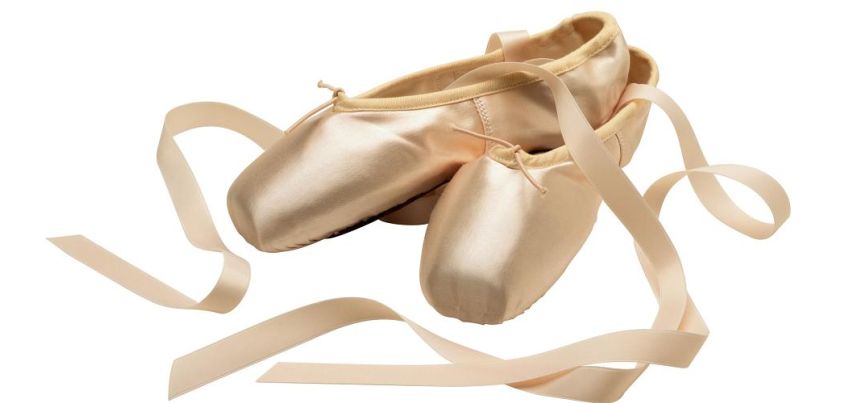
Ribbons: Short story by Laurence YepThis excerpt from Laurence Yep’s book of the same name is about three kinds of ribbons: the satin ribbons on protagonist Stacy’s ballet shoes; the silk ribbons traditionally used in Chinese foot binding; and the invisible ribbon binding grandmother, mother and daughter at the end of the story. The central theme is understanding. Already unhappy about interrupted ballet lessons and resentful of her brother’s seemingly favorable treatment, Stacy reacts angrily to her grandmother’s inexplicable rage over her ballet ribbons. Things change when she learns the old woman’s painful secret. Other themes: family, cultural adjustment, courage, passion, sacrifice, connection.

Continue ReadingRibbons

Fatso

Seventh Grade: Short story by Gary SotoThe concept of shapeshifting is not new. Examples exist in mythology, fairy-tales, and innumerable science fiction plots. The protagonist in this Etgar Keret story falls in love with a woman who is beautiful by day but, in a twist on Princess Fiona of Shrek fame, turns into a fat, hairy man by night. The man and womanly side remain lovers and even contemplate a family (ugh!), while he and the fat man become good friends. As absurd as the story might seem, it contains an important message about the role of friends in ensuring a complete and fulfilling life.

Continue ReadingFatso

The Blues I’m Playing

The Blues I'm Playing: Short story by Langston HughesThis story from Langston Hughes contrasts two women with very different outlooks on life. A wealthy, white, middle-aged widow finds purpose and intimacy through the patronization of young artists. Tensions emerge when the woman, who expects her protégés to behave in a manner consistent with her high social standing, takes on a black pianist for the first time. The talented, independent, working class young woman has her own ideas on life, love, and the music she wants to play. Themes: art, paternalism vs. independence, race and racism, sexuality, the significance and transforming power of music.

Continue ReadingThe Blues I’m Playing