Featured Stories

Contents of the Dead Man’s Pockets
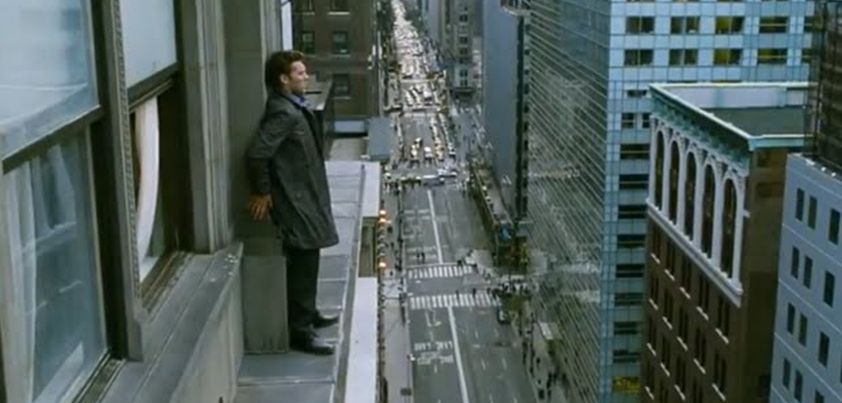
Contents of the Dead Man's Pockets: Short story by Jack FinneyThis exceedingly suspenseful story by Jack Finney is a tale of drive, ambition and the pursuit of quick success taken too far. It also raises an interesting question: At what point does a material object become worth risking your life for? A man climbs out of a window onto the ledge outside his eleventh floor apartment to retrieve a piece of paper. Ironically, what is on the paper is “incomprehensible” to anyone but him, and could readily be replaced with two months of repeated research. Themes: misplaced priorities, risks vs. consequences, determination, fear, desperation, enlightenment.

Continue ReadingContents of the Dead Man’s Pockets

Pillar of Salt

Pillar of Salt: Short story by Shirley JacksonIn this story by Shirley Jackson, a New Hampshire couple’s idyllic holiday in New York goes awry when the woman panics after falsely thinking a building they were in was on fire. She sees the once bright, exciting city differently, losing confidence among the crowds and imagining decay everywhere. When the couple discover a body part on a Long Island beach, she spins out of control. The next day, alone on a crowded sidewalk, she is too scared to even cross the street. Themes include loss of identity (powerlessness and invisibility among the crowds), anxiety, paranoia, fear.

Continue ReadingPillar of Salt

Gren’s Ghost

Gren's Ghost: Short story by Marie-Louise FitzpatrickIn this story by Marie-Louise Fitzpatrick, a usually timid 6th grader who is ridiculed at school because of his unusual name has an experience that boosts his pride and self-confidence. At midnight, he sneaks out of his house to help a classmate with a task he says needs two to pull off. Despite concerns about being set up for some kind of hazing, the boy goes to the meeting-place at the Seven Castles ruins and learns that their objective is to capture a photograph of the famous Priory Ghost. Themes include identity, fear, courage, pride, self-confidence, “friendship”, manipulation.

Continue ReadingGren’s Ghost

Seibei and His Gourds (The Artist)

Seibei and His Gourds (The Artist): Short story by Shiga NaoyaThis story from Shiga Naoya uses situational irony to highlight the importance of encouraging people to pursue their artistic passions. Seibei has a fascination with decorative gourds. He spends all his free time buying natural pods and turning them into the polished decorative pieces. When this causes problems at school, Seibei’s teacher shames his parents into forbidding the hobby and destroying his gourd collection. Unbeknown to all, this may have cost Seibei a lucrative, satisfying career. The disheartened boy complies, but soon takes up another artistic interest. Themes: (Seibei) art, passion, talent, obedience, resilience; (his parents) narrow-mindedness.

Continue ReadingSeibei and His Gourds (The Artist)

Patriotism

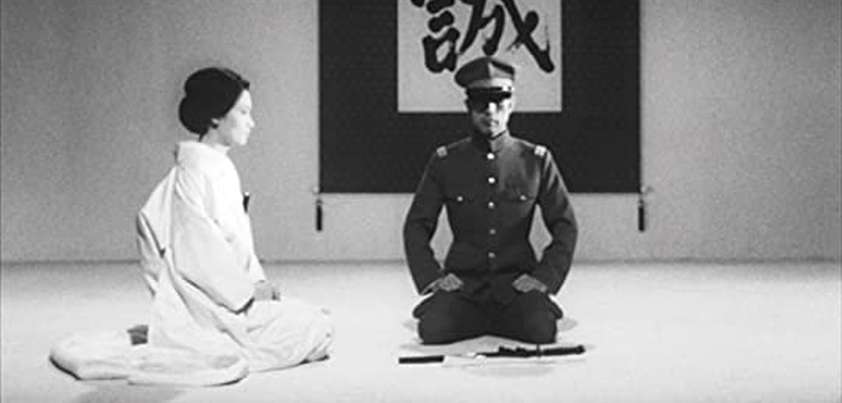
Patriotism: Short story by Yukio MishimaThis gut-wrenching tale from Yukio Mishima deals with traditional Japanese perceptions of duty, honor, love and ritual suicide. Regarded as one of the most powerful stories of the twentieth century, it is beautifully (almost lovingly) written and does not spare the easily offended or queasy reader. The lovemaking scenes are tastefully erotic, and the description of Lieutenant Shinji’s seppuku (harakiri) is gruesome in its detail. A major theme is loyalty: to one’s country (Emperor), friends, family honor, and spouse. Another is beauty: of youth, of love, of life and (perhaps difficult for many Westerners to understand) of an honorable death.

Continue ReadingPatriotism

The Old Demon

The Old Demon: Short story by Pearl S. BuckIn this story by Pearl S. Buck, the widowed matriarch of a small Chinese village is too old to flee when it is bombed during the Second Sino-Japanese War. Left alone, she tends to a dying Japanese pilot and refuses to allow his body to be defiled by Chinese soldiers fleeing an advancing Japanese army. With help from her “Old Demon” (the Yellow River), she single-handedly stops the advance, saving her family and thousands of other villagers. Themes include family, change, the unpredictability and power of nature, the brutality of war, humanity, sacrifice.

Continue ReadingThe Old Demon

Fever

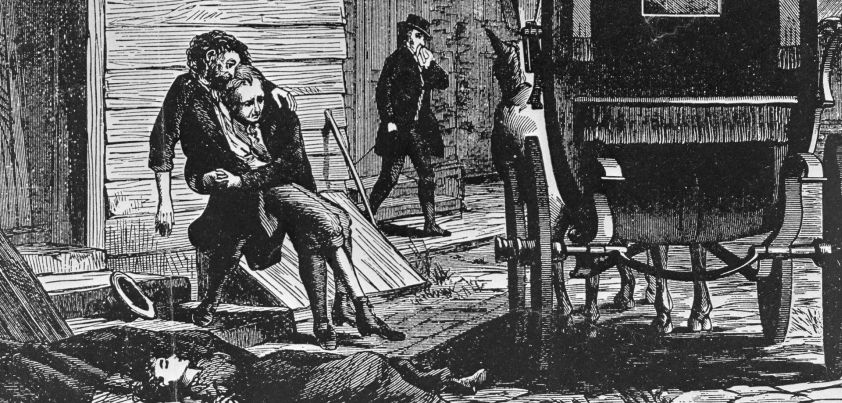
Fever: Short Story by John Edgar WidemanA cursory first reading of this story often leaves students confused. John Wideman’s innovative style involves multiple voices, some of which are not even identified, and randomly traveling both backwards and forwards in time. The grim narrative is prefaced as a tribute to the people (mostly free African-Americans) who heroically nursed the sick and buried the dead during the Philadelphia yellow fever epidemic of 1793. The fever serves as a metaphor for the effects of the story’s main themes (prejudice and racism), which can potentially destroy both victims and perpetrators. Other themes: slavery, fear, suffering, death, despair.

Continue ReadingFever

Ribbons

Ribbons: Short story by Laurence YepThis excerpt from Laurence Yep’s book of the same name is about three kinds of ribbons: the satin ribbons on protagonist Stacy’s ballet shoes; the silk ribbons traditionally used in Chinese foot binding; and the invisible ribbon binding grandmother, mother and daughter at the end of the story. The central theme is understanding. Already unhappy about interrupted ballet lessons and resentful of her brother’s seemingly favorable treatment, Stacy reacts angrily to her grandmother’s inexplicable rage over her ballet ribbons. Things change when she learns the old woman’s painful secret. Other themes: family, cultural adjustment, courage, passion, sacrifice, connection.

Continue ReadingRibbons