
Dragon, Dragon
 The central theme of this humorous story by John Gardner is to respect the views of one’s elders. A dragon ravages a medieval kingdom with some modern touches (clocks, novels, cars and cigars). When the king’s knights and wizard prove ineffective, he calls a town meeting to ask for ideas, promising his daughter’s hand and half his kingdom to anyone who can slay the dragon. After the two older sons of a wise cobbler ignore their father’s advice and fail, their nervous younger son heeds his words and succeeds. Other themes include social class, honor, and courage (overcoming one’s fears).
 Although one of the main characters is a ghost, this story by
  The jade bracelet in this story by Mary Frances Chong represents the strong bond between a young Malaysian girl and her dying grandmother. The girl’s mother has devoted herself to caring for her mother in her final years and, when the end is near, moves her to a Buddhist cave temple for prayers and cremation. The grandmother’s wish was for the girl to have her bracelet. Unfortunately, her mother’s insistence on following Chinese hereditary practice causes her to disrespect this wish and give it to her irresponsible brother. Themes include love, care and respect for the aged, tradition, “face”.
 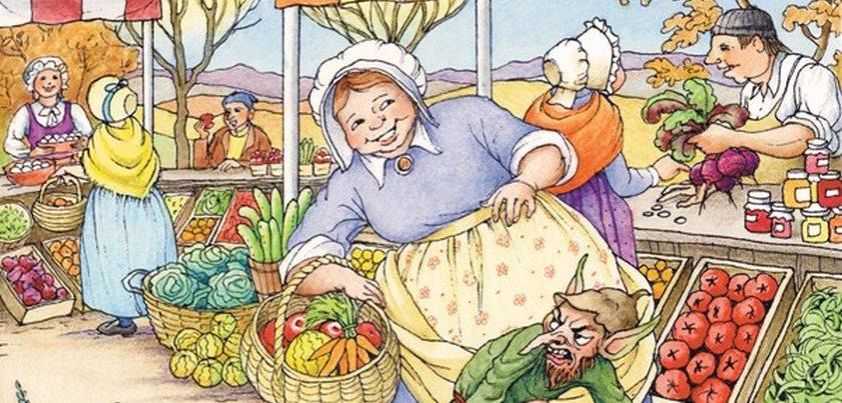 In this folktale, a strange looking little old man asks a nurse to come to his house to help his sick wife look after their baby boy. The man’s wife gives the nurse some ointment to put on the baby’s eyes. Being curious, the nurse puts some of it on one of her own eyes. The family seemed normal enough up to this point. However, the ointment helps her to learn their secret. The nurse pays a heavy price for her actions when the old man finds out what she has done.
  The title of this
  Today we have three stories (Crossing the Zbrucz, My First Goose and Salt) from Red Cavalry, a collection of edited entries from the war diary of Russian author
  One of
  In this story by