
The Balek Scales
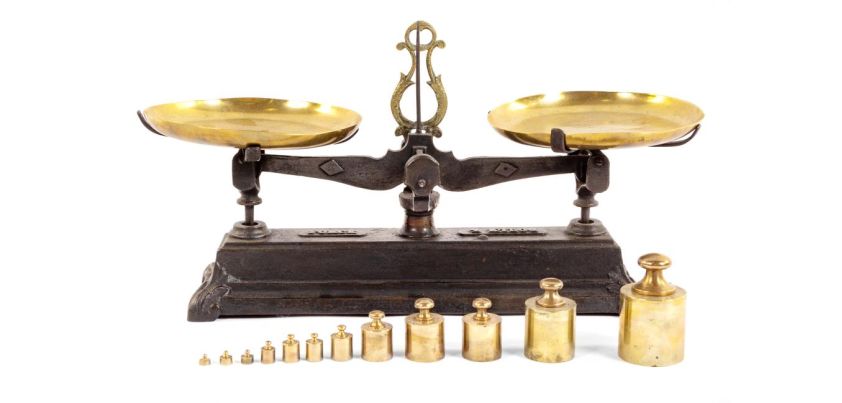 This story from Heinrich Böll is a social commentary about a rich family’s exploitation of farm workers. This occurs on three levels, characterized by different forms of “scales”: 1) systematic cheating, involving an incorrectly balanced set of weighing scales; 2) legal injustice, where the scales of justice are weighted firmly in favor of the landowners; and 3) social injustice, where the imbalance of power results in poor pay, long hours, and dangerous working conditions. The workers are incensed by the cheating, but accept the other injustices. Other themes: the whistle-blowing family’s courage and pride, church and wider community apathy.
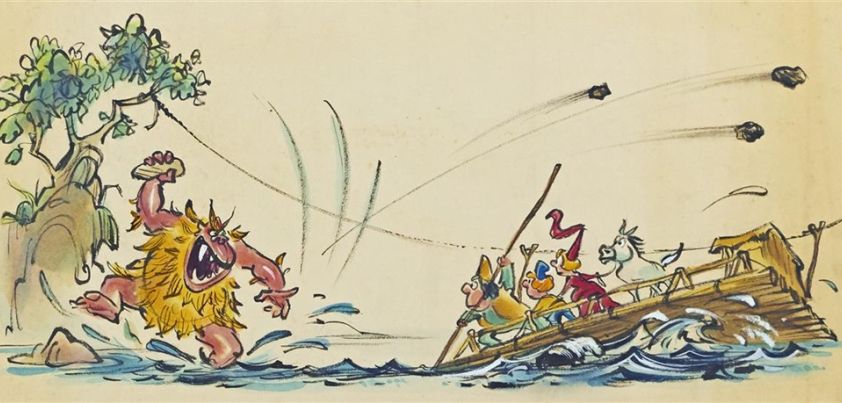 A dying king is told that his only hope for a cure is a magical feather from an ogre known to kill any human it sees. When no one else volunteers to face the creature, one of his most loyal attendants steps forward. The story from here shares elements found in several other European and Eastern folktales: during the journey, he encounters people who request him to ask the ogre for solutions to problems they have been experiencing. Two of the solutions will change his and the ogre’s life. Themes include good vs. evil, loyalty, helping others, courage and bravery.
 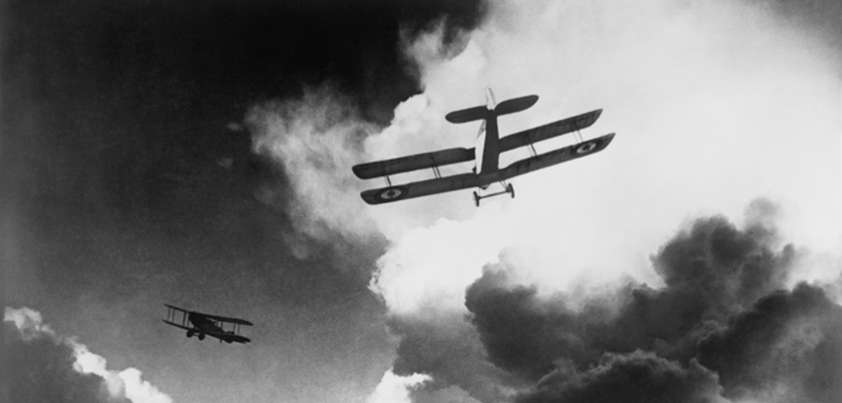 Set in World War 1,
 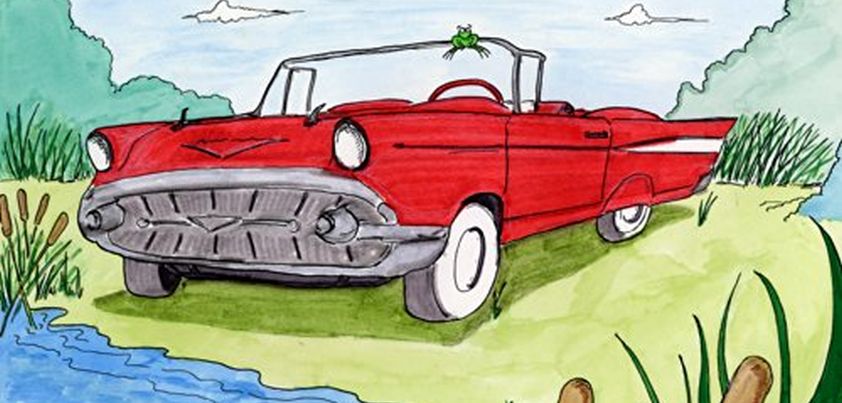 The titular car in this confronting coming of age story by
 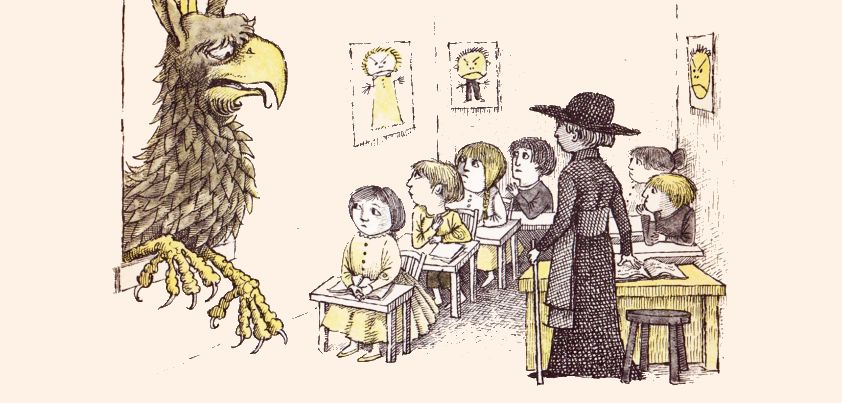 It is hard to believe this and our other featured
  This story by
  Most ‘frog’ folktales involve a frog prince or at the very least a male frog. However, in this story from Italy, a female frog makes friends with a young man and helps him keep his mother happy as he searches for a wife. Little does the young man know that his perfect woman is sitting on a rock beside him. Three possible morals: 1) Sometimes we don’t appreciate those around us enough; 2) Often the thing we are looking for is right under our noses; 3) Or how about the English idiom beauty is only (frog) skin deep.
  In this story by