
The Embroidered Towel
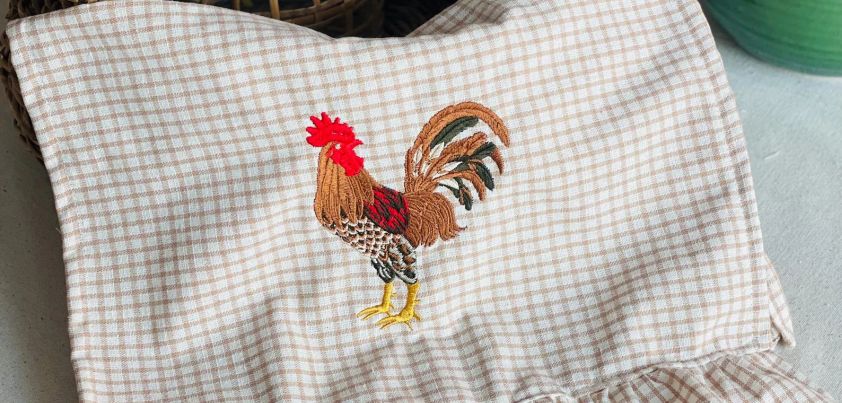 In this story by Mikhail Bulgakov, a Russian doctor fresh out of medical school is assigned to an isolated rural clinic. Inexperienced and intimidated by the staff’s praise of his predecessor, he is terrified at the prospect of failure. As fate would have it, his first emergency is a girl whose legs have been mutilated by agricultural machinery. Despite the operating theatre staff saying she is beyond saving, he remains calm and rises to the occasion. As a thank-you gesture, she embroiders a gift he treasures for years. Themes include isolation, self-doubt/fear of failure, professional awakening, composure under pressure, gratitude.
 Based on a true event, this
  The protagonist of this coming of age story by
  In this German folktale (also known as The Magic Porridge Pot), a kind old woman gives a magic pot to a poor girl looking for something to eat in a forest. When someone says special words, the pot cooks sweet porridge. The only problem for the girl, her mother and the village they live in is that you need to say special words to make the pot stop cooking. This is a popular teaching story for 3-5 year-olds, made more so because the poem that inspired it was also the source for a famous Disney film segment.
  This children’s story by
  The major theme of this surreal mystery by
  This story by
  Written during the early days of Argentina’s