The Three Sillies

The Three Sillies: English folktale from Joseph JacobsNot all folktales are designed to teach or explain. Some, like this one, were popular for their entertainment value. In this story, a rich young man finds that the woman he loves and her family are not very clever. He decides that he will only marry the girl if he can find three people sillier than they are. A woman trying to push her cow up a ladder, a man who can’t get his trousers on, and a whole village trying to rescue a shadow from a pond prove that there certainly are sillier people in the world.

Continue ReadingThe Three Sillies

The Egg

The Egg: Short story by Sherwood AndersonThis dark comedy from Sherwood Anderson follows a contented farmhand and his ambitious wife who, after starting a family, decide to pursue the American Dream. In their first venture, a chicken farm, everything that can go wrong does go wrong. More troubles follow when they move closer to town and open a diner. The stressed husband tries to help business by being someone he is not (an entertainer), and ends up “with egg on his face”. The egg, which usually symbolizes the cycle of life, is for them a symbol of the cycle of poverty. Other themes: death, isolation, hope.

Continue ReadingThe Egg

Adam and Eve and Pinch Me

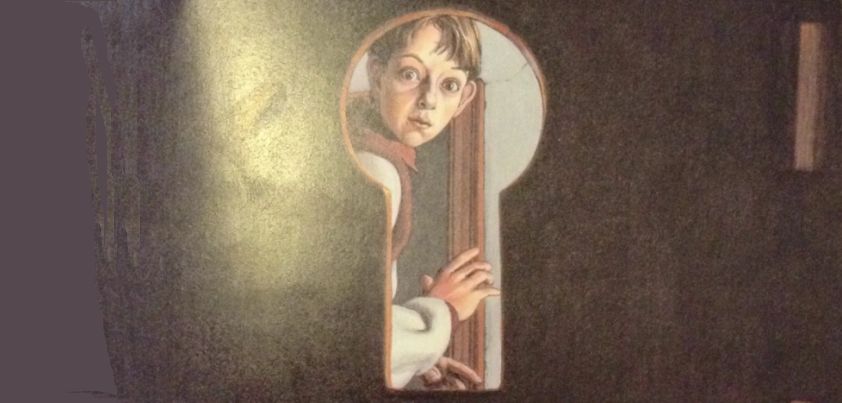
Adam and Eve and Pinch Me: Short story by A. E. CoppardIn one of A. E. Coppard’s more enigmatic stories, a confused man finds himself unable to open the doors in his house or communicate with his three children or servants. The inference is that he is dead and doesn’t know it. Relief comes when he awakens from a daydream with his wife beside him. However, he has a different identity and the third child featured in the dream, who had special powers, has not yet been born. Themes include the convergence of reality and fantasy, death, family, frustration, anger, precognition, identity.

Continue ReadingAdam and Eve and Pinch Me

Everyday Use

Everyday Use: Short story by Alice WalkerAlice Walker’s study of mother-daughter relationships explores contrasting attitudes towards heritage. A self-centered college graduate (Dee) visits her mother, a poor farming widow. The mother values her African-American heritage; Dee tries to exploit it. Their positions are exemplified in a family heirloom: a hand-stitched quilt that has been promised to Dee’s sister. Dee demands it, claiming that such things are now trendy and valuable. She claims it will be wasted on her sister, who will probably put it to “everyday use”. Themes: heritage, racial identity, connection through tradition, appearance, materialism (the effect of higher education / city life on values).

Continue ReadingEveryday Use

The Stout Gentleman

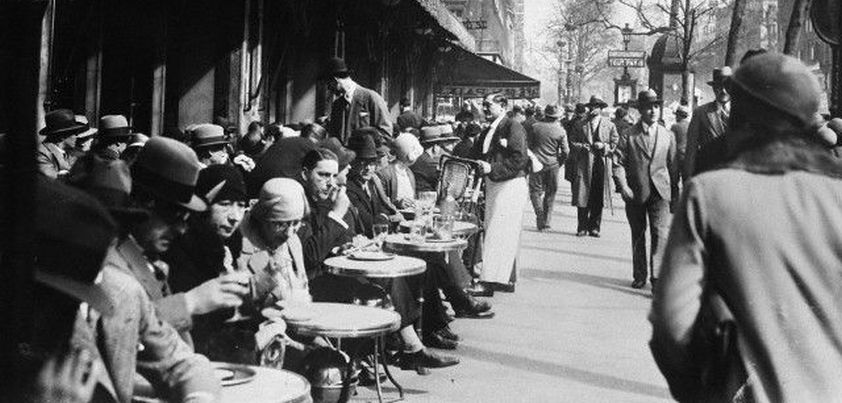
The Stout Gentleman: Short story by Washington IrvingThe major theme of this humorous story by Washington Irving is the extent to which we rely on appearance to judge others. A traveller staying at an inn is forced to remain indoors on a miserable, rainy Sunday. With nothing to do and no one to talk to, he passes the time by speculating as to the profession and social status of the only other guest, a demanding, seemingly sophisticated man who remains in his room all day. We learn little more about the other man, who the staff refer to only as the stout gentleman. Other themes: curiosity, obsession, identity.

Continue ReadingThe Stout Gentleman

Letter From an Unknown Woman

Letter From an Unknown Woman: Short story by Stefan ZweigIn this moving story by Stefan Zweig, a playboy writer receives a letter from a lovesick, dying woman. She has worshipped him all her life, they have had two brief dalliances, and she has borne his son. Yet he has no idea who she is! Until their son was born, he was the sole focus of her life; for him, she didn’t exist. Readers are left with a question. If she loved him so much, why send a letter that may haunt him for the rest of his days? Themes: philandering, obsessive love, sacrifice, passion, suffering, confession, death.

Continue ReadingLetter From an Unknown Woman

Monster

Monster: Short story by Catherine LimThe titular Monster in this story by Catherine Lim is an old, rickety, bug-infested bed, treasured by a frail woman in her seventies and despised by her daughter-in-law. Set in highly competitive Singapore, the other monster in the house is generational conflict arising from a fundamental cultural change: a growing lack of respect, understanding and compassion for the aged. Ironically, when the daughter-in-law is finally in a position to destroy the much-hated bed, she learns it may be worth a lot of money! Themes include generational conflict, cultural change (less respect for the aged), sentimentality, materialism, social class.

Continue ReadingMonster

The Birds

The Birds: Short story by Daphne du MaurierThis 1952 horror story by Daphne du Maurier follows a family who, along with all of Britain, come under sustained attacks by flocks of crazed birds. Seen as an analogy of the terror caused by World War Two blitz bombing and concerns about the developing Cold War, the story carries even more ominous implications for today. Consider the suggestion that climate change (shifts in the Arctic air stream) may have upset the natural order, and the death and worldwide disorder a small virus (Covid) recently caused. Themes: the vulnerability of mankind to war/natural forces, human/government complacence/ineptitiude, isolation, family, survival, self-reliance.

Continue ReadingThe Birds