
Cat and Mouse in Partnership
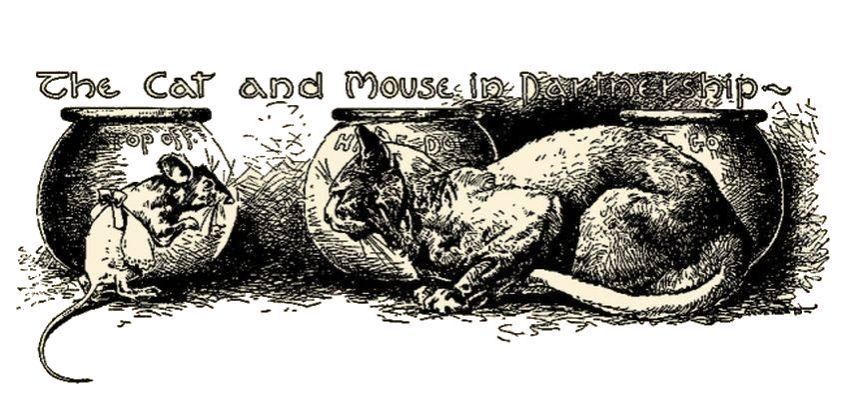 This folktale is about a greedy cat that cheats a trusting friend. A cat and mouse decide to live together. They discover a pot of ‘fat’ (probably dripping) and hide it in a safe place so they will have something to eat over winter. Unfortunately, the cat cannot stop thinking about the pot and empties it well before time. In most folktales, something bad would happen to the cat to teach it a lesson. Not so here! When the mouse complains, the cat does what cats normally do. The moral: You can’t change the natural ways of the world.
 This
This  The dystopian civilization envisioned in this
  Readers often need to re-visit this
 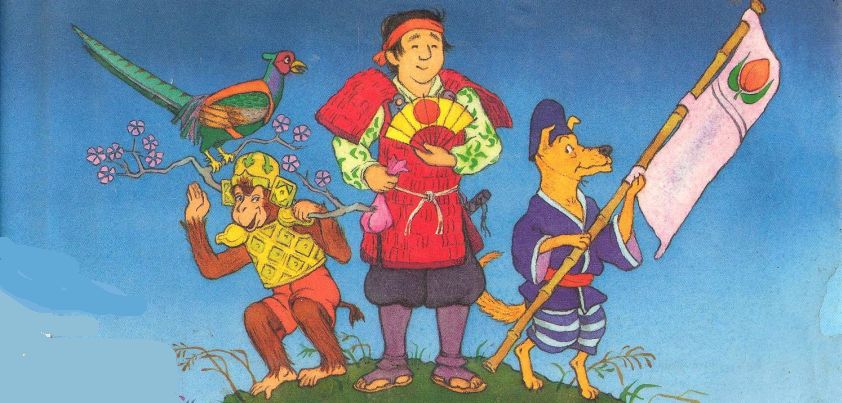 In this famous Japanese folktale, a childless couple’s prayers are answered when a giant peach splits open to reveal a baby boy. The boy grows up to be the strongest and wisest lad in the land and, at fifteen, decides to give his poor parents an easier life by traveling to an island off the Northeast coast of Japan, destroying a band of cannibalistic demons that are terrorizing the land, and bringing back their treasure. Along the way he gathers troupe of anthropomorphic animal friends who, in predictable folktale form, help him easily win the day.
 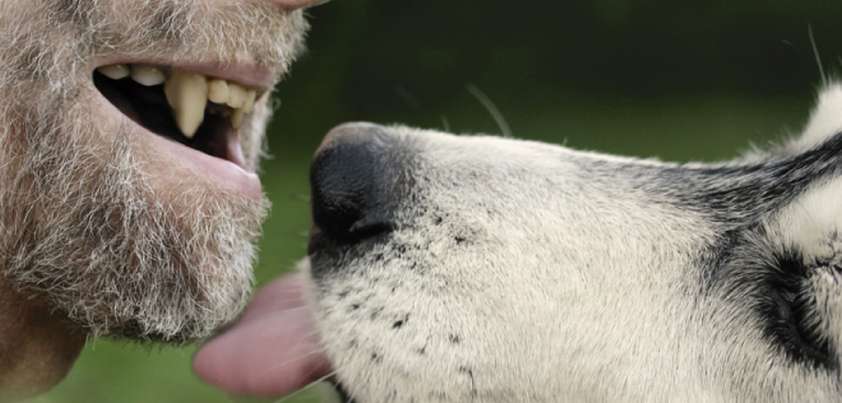 In addition to its themes of love, trust, family and perception, this
 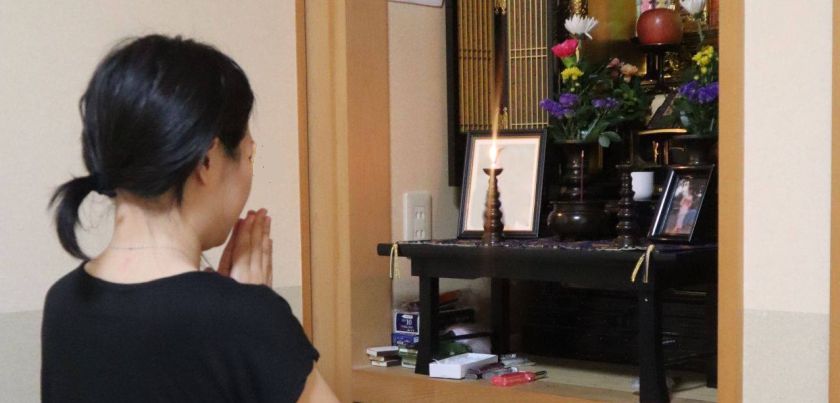 This story by Mary Yukari Waters deals with several often overlooked aspects of war: its effect on the families of those who don’t return, the resultant scarcity of basic necessities, and the impact of occupational forces on the lives of the loser. In the aftermath of World War 2, a young Japanese mother struggles to deal with the loss of her husband, her young son’s growing Americanisation and dimming memories of his father, and the fundamental shifts taking place in Japanese society. Themes include loss, grief, memory, customs and tradition, motherhood, change.
  In this story by