
Diary of a Madman
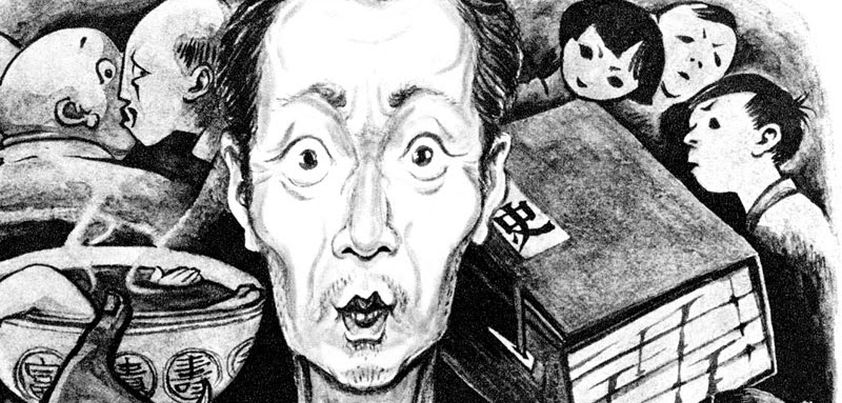 Lu Xun‘s diarist suffers from paranoia, stemming from strange looks he thinks he is getting from fellow villagers. On learning of an act of ritual cannibalism in a neighboring village, he concludes that those around him, including his own brother, are planning to make a meal of him. The story has several interpretations. The most common is that it satirizes the outdated Confucian traditions of Chinese feudal society. An opposing view is that it cautions the May Fourth period’s New Culture Movement against indiscriminately overturning (eating) all past traditions. Themes: madness, cannibalism, tradition, betrayal.
 In this story by
 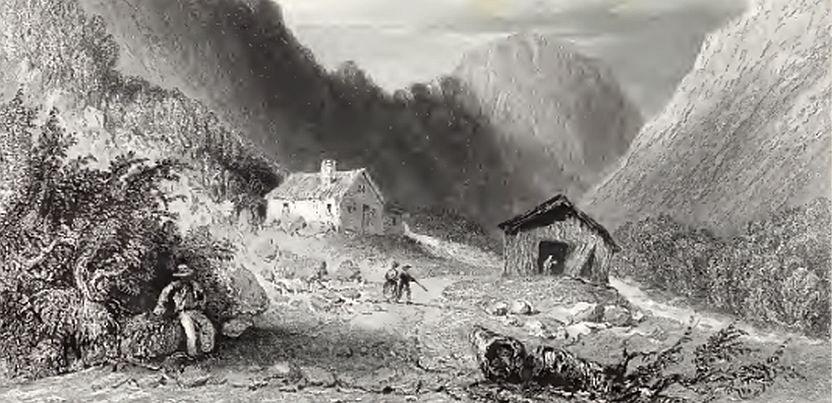 Based on a true event, this
  This
This 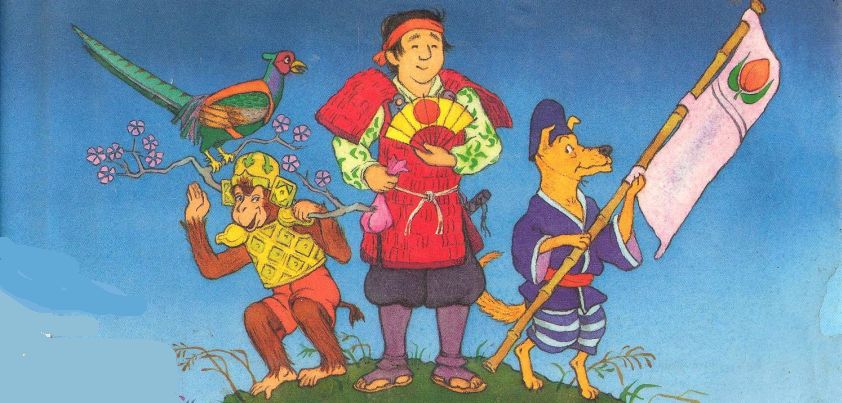 In this famous Japanese folktale, a childless couple’s prayers are answered when a giant peach splits open to reveal a baby boy. The boy grows up to be the strongest and wisest lad in the land and, at fifteen, decides to give his poor parents an easier life by traveling to an island off the Northeast coast of Japan, destroying a band of cannibalistic demons that are terrorizing the land, and bringing back their treasure. Along the way he gathers troupe of anthropomorphic animal friends who, in predictable folktale form, help him easily win the day.
 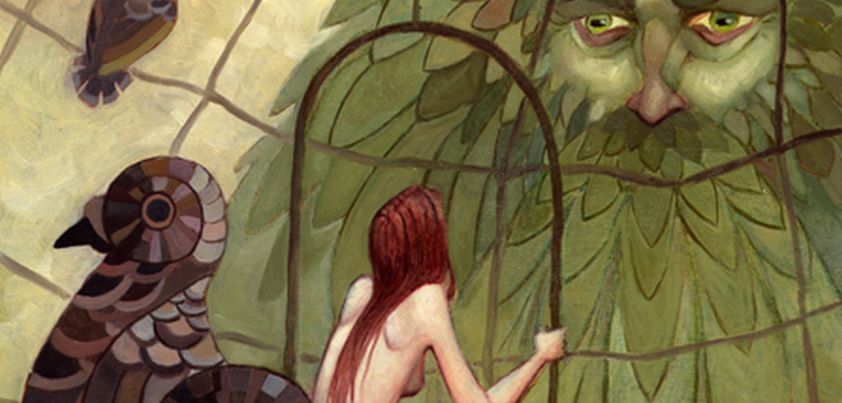 This “fairy-tale” by
  In this story by
  In this story by