Featured Stories

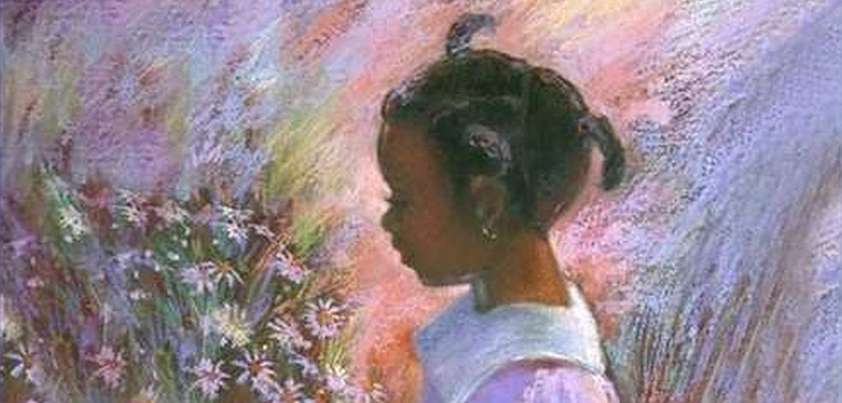
Where Are You Going, Where Have You Been?

Where Are You Going, Where Have You Been?: Short story by Joyce Carol OatesThe plot of this award-winning story by Joyce Carol Oates in a nutshell: attractive, self-absorbed, rebellious teen under Why can’t you be like your big sister? pressure meets a predatory psychopath with, one imagines, predictable results. What sets the story apart is the way Oates, using dialogue alone, transforms a cautionary tale for young women into a psychological thriller that gradually develops into a horror story. Themes include search for identity, independence, sexuality and control, appearance vs. reality, malevolence, psychological manipulation and (if you believe Connie really sacrificed herself for her family), self-sacrifice.

Continue ReadingWhere Are You Going, Where Have You Been?

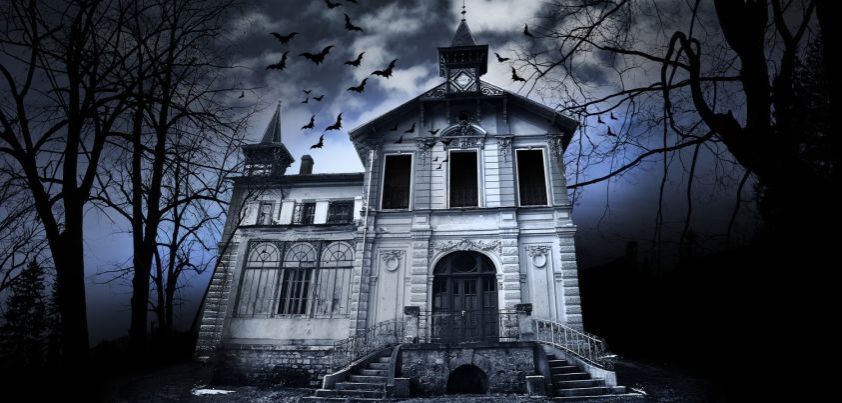
The Crowd

The Crowd: Short story by Ray BradburyIn this chilling story by Ray Bradbury, a man badly injured in a car accident senses something ominous about the onlookers in the crowd that gathered around him. Several weeks later, he notices these same individuals at another accident. He searches newspaper archives and discovers that they and similar groups had attended hundreds of accidents over the last decade. Their sinister purpose is revealed when he has another car crash and they decide to “make him more comfortable”. Themes include morbid curiosity, schadenfreude, anonymity and the possibility of evil in a crowd, the supernatural.

Continue ReadingThe Crowd

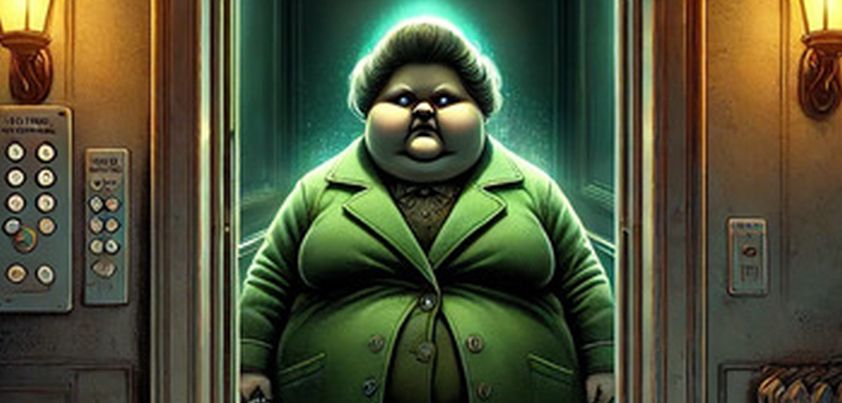
Zero Hour

Zero Hour: Short story by Ray BradburyThis chilling story by Ray Bradbury involves an inattentive mother, a feisty seven-year-old girl, and her imaginary friend Drill. Throughout most of the story, the girl leads her friends in a construction game following instructions she receives from Drill. Her mother later learns that groups of children across America are playing the same game. Its name is “Invasion”, and for her the climax comes in a single word: Peekaboo. The major theme of the story is complacency. The mother senses something is wrong, but doesn’t act until too late. Other themes include human smugness (We’re impregnable!), childhood innocence/impressionability, manipulation, fear.

Continue ReadingZero Hour

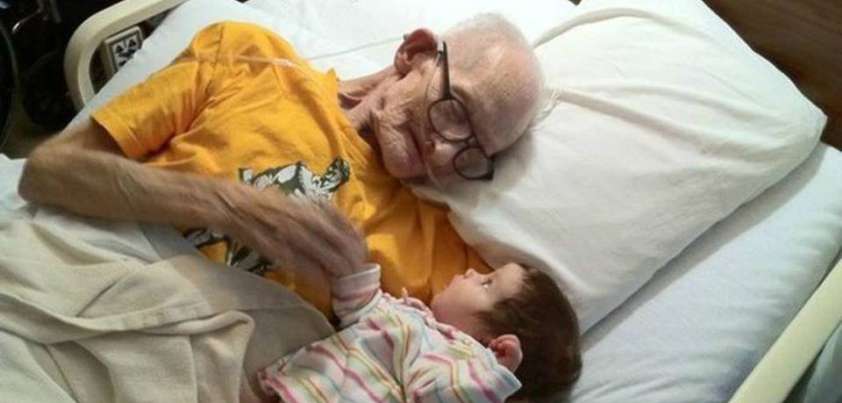
The Velveteen Rabbit

The Velveteen Rabbit: Short story by Margery WilliamsThe major theme of this touching children’s fantasy (aka How Toys Become Real) from Margery Williams is the transforming power of love. A cheaply made stuffed toy (Rabbit) is made to feel inferior by the more “advanced” toys in the nursery. A wise but badly worn old toy (Skin Horse) gives it some memorable advice: Real isn’t how you are made. It’s a thing that happens to you. When a child [someone] loves you for a long, long time, not just to play with, but REALLY loves you, then you become Real. Other themes: being different, rejection, hope, loss, fulfillment.

Continue ReadingThe Velveteen Rabbit

Lajwanti

Lajwanti: Short story by Mulk Raj AnandMany Mulk Raj Anand stories deal with the disadvantaged in traditional Indian society. Here a young woman from a poor rural family suffers under the custom of living with her in-laws. While her husband is temporarily living in the city, his sadistic older brother makes unwanted sexual advances. Knowing that no help will come from her mother-in-law, she runs away. When this doesn’t work, she tries to drown herself. Her thoughts when rescued: There is no way for me. I am condemned to live! Themes: women’s status in traditional Indian society, physical and sexual abuse, escape, humiliation, desperation, suicide.

Continue ReadingLajwanti

Goodbye, Columbus

Goodbye, Columbus: Short story by Philip RothMajor themes of this captivating story by Philip Roth are passion, sexuality, Jewish identity, and social class. When Neil, a twenty-three-year-old man from a working class Jewish family falls for Brenda, a spoiled college student from a wealthy one, the relationship appears doomed. Brenda’s competitive nature, Neil’s idealism, and his daily encounters with her emotionally dysfunctional family, lead to snide comments and constant bickering between them. The glue that holds their relationship together is sex, and readers are left to decide if Brenda ended it accidentally or deliberately. Other themes include family, materialism, manipulation, and control.

Continue ReadingGoodbye, Columbus

The Lottery

The Lottery: Short story by Marjorie BarnardThis story by Marjorie Barnard is set in 1930s Sydney. On the protagonist’s way home from work, friends draw his attention to a newspaper report that his wife has won first prize in a lottery. His initial reaction is to wonder “Why didn’t she contact him at work? and Where did she get the money? He later reflects on how great his wife and married life are, albeit in terms of gender norms of the day. When he gets home, his wife’s reaction to the win is not what he had expected. Themes include patriarchy, gender roles, complacency, alienation, rebellion.

Continue ReadingThe Lottery

Blackberry Winter

Blackberry Winter: Short story by Robert Penn WarrenThis story by Robert Penn Warren is set in rural Tennessee during the 1930s. A nine-year-old boy is affected for life when a menacing-looking tramp with a large switchblade in his pocket, carrying a mysterious newspaper-wrapped package, visits his family farm. Although the surly man is not dressed for farm work, the boy’s mother offers him food and some odd jobs. The tramp is clearly unhappy about the work she offers, and shows no gratitude when the boy’s father pays him and orders him off the property. Themes include innocence, identity, man (farming) vs. nature, poverty, dignity and father-son relationships.

Continue ReadingBlackberry Winter