
Arabesque: The Mouse
 In this psychological horror story by A. E. Coppard, an idealistic man who has withdrawn from society due to constant rebuff sits alone in a mouse-infested garret. As he watches the antics of a mouse in front of his fireplace, his mind wanders to the death of his mother and loss of the only woman he ever loved. When he comes back to reality, the mouse is sitting before a trap with its forepaws torn off. Association of this with his mother’s grisly death sends him to the brink of madness. Themes include mother-child relationships, loss, depression, despair, shame, insanity.
 In this dark story by
 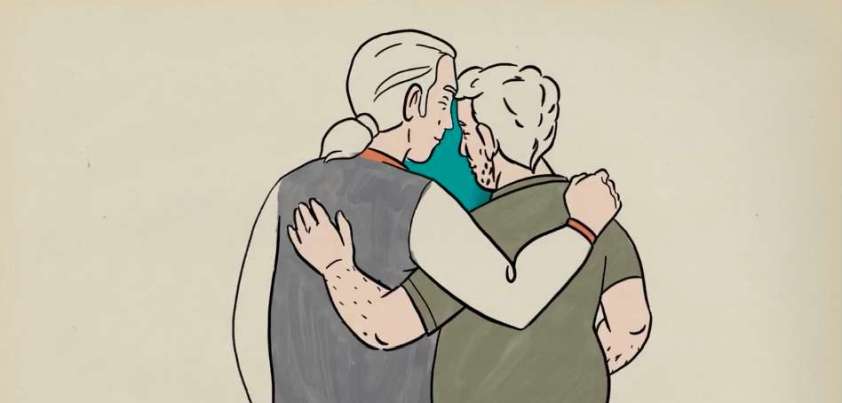 The concept of shapeshifting is not new. Examples exist in mythology, fairy-tales, and innumerable science fiction plots. The protagonist in this
  The major theme of this Cold War allegory from
  This story by
  This tale by
 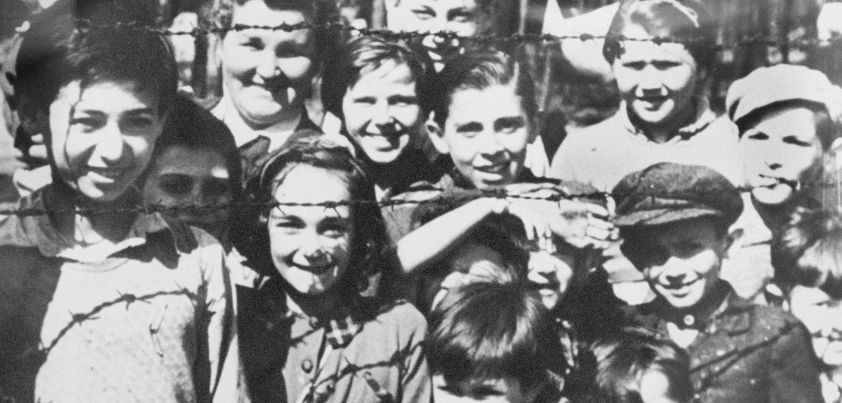 Given the ever-increasing number of refugees across the world, the themes of this
  This extract from