
The Cow of the Barricades
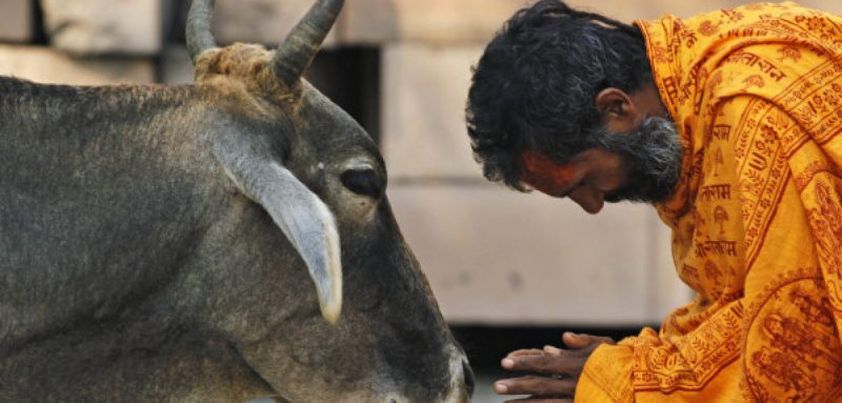 This story from Raja Rao takes place during India’s struggle for independence from British rule. It highlights two major aspects of the conflict: the people’s desire for self-government, and the division within the people between those who supported Gandhi’s directive of passive resistance and those who advocated violent confrontation. The symbol of Gandhian resolution is a revered cow (a holy animal in Hindu culture) which, like many such advocates over the years, is martyred for the cause after leading a crowd of peaceful protesters to barricades as fighting is about to begin. Themes: independence, faith, nonviolent resolution of conflict.
 Heavy snow can cause many problems, closing roads and stopping people from going to work or school. Today’s story from
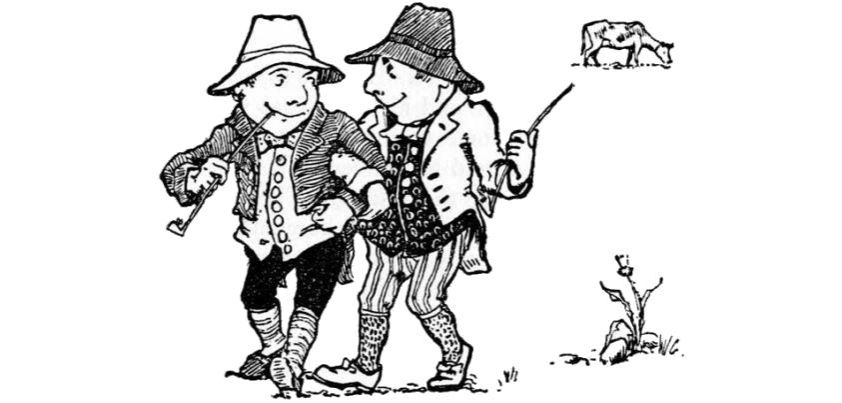 No one can make fun of themselves like the Irish. This quite funny folktale is about two well-off but foolish farmers named Hudden and Dudden. They will do anything to get their hands on a small piece of land between their two farms. This land belongs to a poor but clever man named Donald O’Neary. The story begins simply enough with Hudden and Dudden deciding to poison Donald’s faithful cow. Things escalate from there with Donald becoming rich and three people dying. By the end of the story, justice appears to have been served. But has it really?
  An unusual aspect of this
  This
This  This acclaimed story from