The New Dress

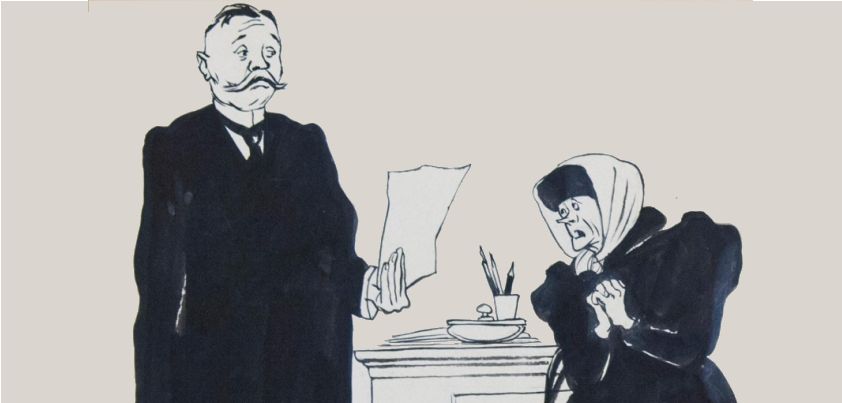
The New Dress: Short story by Virginia WoolfVirginia Woolf’s middle-aged, lower middle-class protagonist has gone to great lengths to have the perfect dress made for an upper middle-class party. The moment she arrives, she sees that the dress is “not right”. Highly embarrassed, she imagines everyone is mocking her. At first, she blames her situation on her working class upbringing and fantasizes about what might have been if her family had been wealthy. Then, in a moment of introspection, she remembers the good times in her life, commits to a plan for self-improvement, and leaves the party early. Themes: insecurity, self-consciousness, class, poverty, alienation, self-discovery.

Continue ReadingThe New Dress

The Horse Dealer’s Daughter

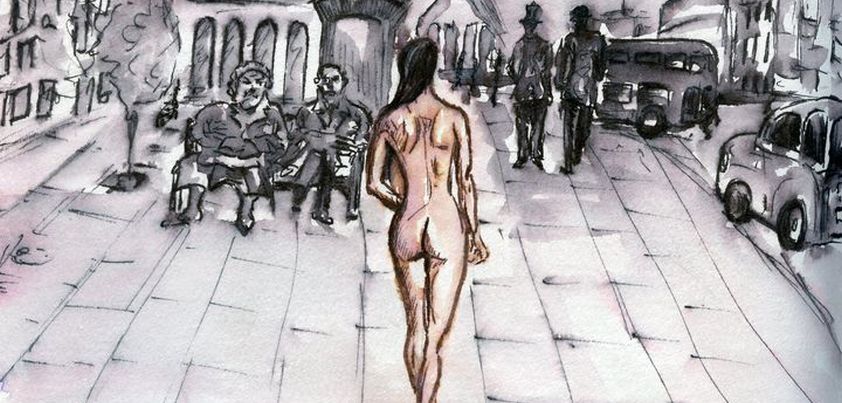
The Horse Dealer's Daughter: Short story by D. H. LawrenceAt a simplistic level, this story by D. H. Lawrence can be looked upon as a traditional love story. However, with Lawrence’s reputation as a writer who explores human nature through psychological insight and sexual descriptions, it is highly unlikely he would write a story with such a straightforward message. Alternate interpretations include: 1) a tale in which a desperate, calculating woman tries to seduce a vulnerable man; and 2) a religious fantasy in which a near-death experience results in an epiphany that awakens feelings of love and desire. Themes include family relationships, patriarchy, misogyny, despair, death, rebirth, passion.

Continue ReadingThe Horse Dealer’s Daughter

The Mystery of the Missing Cap

The Mystery of the Missing Cap: Short story by Manoj DasIt is evident from Babu Virkishore’s absurd ministerial title that this Manoj Das story is a political satire. The comment about the cap’s disappearance being a deep-rooted conspiracy with possible devastating political effects suggests that it is a “Nehru topi” (pictured above). The main themes, comically highlighted when Jhandoo the monkey tries on the cap and then hands it back to the bemused Minister are: 1) many officials of the day weren’t ready to govern; and 2) the general population was too poorly educated and reverent towards those in power to see this. Other themes: innocence, elitism, hubris, honesty, disillusionment.

Continue ReadingThe Mystery of the Missing Cap

The Hospice

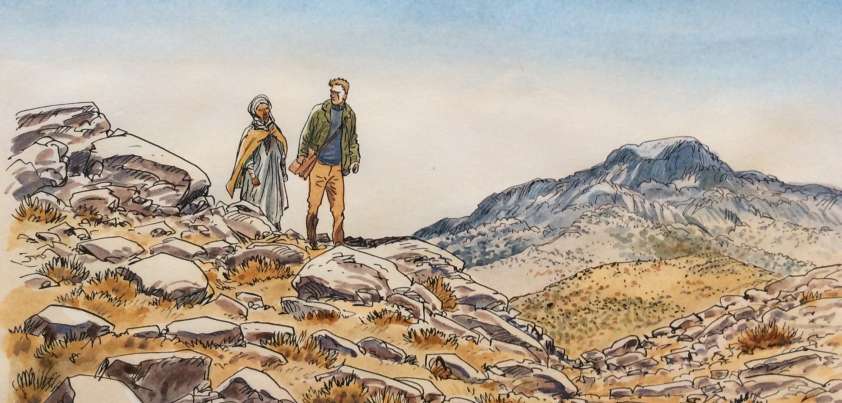
The Hospice: Short story by Robert AickmanAuthor Robert Aickman preferred to be called a writer of “strange fiction” rather than ghost or horror stories. The Hospice, considered one of his best, is a good example of why. The story is full of unexplained twists and turns. It builds to what readers expect will be a typical horror climax, then seemingly falls flat with the protagonist safely on his way home. But is he? It’s easy to see why Aickman has been called the English Kafka. Was it a dream? Delirium caused by an animal bite? Supernatural forces? Or did he die along the way?

Continue ReadingThe Hospice

In a Grove

In a Grove: Short story by Ryūnosuke AkutagawaRyūnosuke Akutagawa‘s In a Grove, published in 1922, is based on a classical Japanese tale first documented in the 12th century. It comprises seven accounts, including three confessions, relating to the death of a young Samurai. There are differences between each account, and none of the confessions are totally convincing. The story shares similarities with Ambrose Bierce’s Moonlit Road, published fifteen years earlier. Both stories feature unreliable narrators (including the spirit of the victim speaking through a medium) and leave readers to draw their own conclusions about the crime and identity of the killer. Who do you think did it?

Continue ReadingIn a Grove

The Garden of Forking Paths

The Garden of Forking Paths: Short story by Jorge BorgesThe themes of this story from Jorge Borges are order vs. disorder, time, and sacrifice. An ancient Chinese scholar gave up everything to write a book and create a labyrinth. No one could understand the book or find the labyrinth until a modern day sinologist solved the mystery. The book is the labyrinth; it argues that time is not linear, but a starting point for an infinite number of paths. A descendant of the scholar murders the sinologist. This has nothing to do with the book, but rather a cause he doesn’t believe in.

Continue ReadingThe Garden of Forking Paths

The Gold-legged Frog

The Gold-legged Frog: Short story by Lao KhamhomIn this touching story by Lao Khamhom, a Thai farmer must leave his dying son in the hands of faith-healers and herbalists to grovel in front of local officials for a 200 baht government handout. He gets the money but, contrary to what other villagers say, it’s not his lucky day. Major themes are the harshness of nature on farming communities, and the abuse of power by the Thai authorities of the day (the late 1950s) in dealing with them. Other themes include family, poverty, suffering, helplessness, survival, superstition, social class, and “luck”.

Continue ReadingThe Gold-legged Frog

Old Man at the Bridge

Old Man at the Bridge: Short story by Ernest HemingwayAlthough a war story, the major theme of this vignette by Ernest Hemingway is not the physical horrors of armed conflict, but rather the psychological impact on the lives of those caught up in its wake. An old man has dedicated his life to caring for several pets. Forced to set them free and flee, he now fears for their safety and sits alone on a bridge, having lost the drive to go on. The narrator, a soldier focused on this duty, reluctantly leaves him to his fate. Other themes include alienation, anxiety, guilt and despair, resignation, duty vs. compassion.

Continue ReadingOld Man at the Bridge

Gombei and the Wild Ducks

Gombei and the Wild Ducks: Japanese Folktale from Yoshiko UchidaIn this Japanese folktale retold by Yoshiko Uchida, a man who had made a good living by snaring one wild duck a day with a long piece of rope decides that life would be easier if he were to trap a hundred at a time and relax for the next ninety-nine days. He learns a lesson that changes his life when, having caught ninety-nine ducks, they suddenly take flight, pulling him into the sky with them. The messages of the story are respect for nature (take only what you need), and the consequences of greed and laziness.

Continue ReadingGombei and the Wild Ducks

The Rocking-Horse Winner

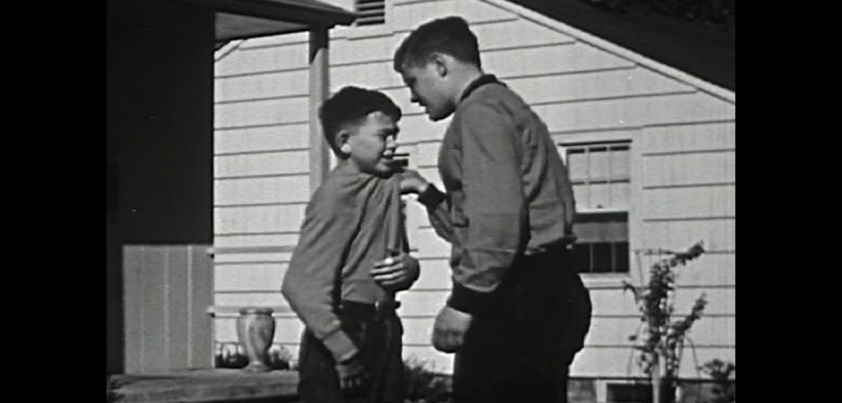
The Rocking-horse Winner: Short story by D. H. LawrenceThis tragic story by D. H. Lawrence is about a boy whose parents seem more interested in their social position than their children. The only adults who have time for the boy are an uncle and the family’s young gardener, both of whom are passionate followers of horseracing. The boy desperately wants his mother’s love and approval. As she is constantly complaining about not having enough money, he comes up with an unusual approach to winning some by betting on the races. Themes include family/parental responsibility, materialism and appearances, greed, selfishness, “luck” vs. hard work.

Continue ReadingThe Rocking-Horse Winner