Featured Stories

The Parsley Garden

The Parsley Garden: Short story by William SaroyanIn this coming-of-age story by William Saroya, an eleven-year-old boy is caught stealing a hammer from a department store. Rather than calling the police, the store manager lets him off with a warning. The boy spends the rest of the day plotting how to get the hammer back and respond to what he considers “humiliating” treatment. The confusion in his mind is contrasted with the peace and tranquillity of his mother’s “parsley garden”, where everything is free for the taking. Themes include temptation, choices and consequences, shame/humiliation, anger, redemption, self-image.

Continue ReadingThe Parsley Garden

Mariah

Mariah: Short story by Che Husna AzhariIn this story by Che Husna Azhari, the men of a Malay village gather in the market square every morning to buy a nasi dish for breakfast. It is not that this nasi is any better than they would get at home, but rather because the vendor is an attractive young widow who mesmerises them with her swinging hips and easy smile. The village Imam is love-struck by the woman, who reminds him of his first, unrequited love, and convinces his devoted wife to let him have another. Themes include religious faith, patriarchy, desire, jealousy, love, polygyny, sacrifice.

Continue ReadingMariah

A Chip of Glass Ruby

A Chip of Glass Ruby: Short story by Nadine GordimerSome people see this Nadine Gordimer story as primarily an anti-apartheid tale. For me, the main theme is exemplified in Yusuf’s “aha moment” when he finally understands why his wife is not like the others. Gordimer shows apartheid for what it is by contrasting those behind it with an extra-ordinary, ordinary woman who doesn’t want anybody to be left out (people without somewhere to live, hungry kids, boys who can’t get educated) and cares enough to put herself at risk by doing something about it. The absence of a denouement in the story suggests that her fight isn’t yet over.

Continue ReadingA Chip of Glass Ruby

The Mouse

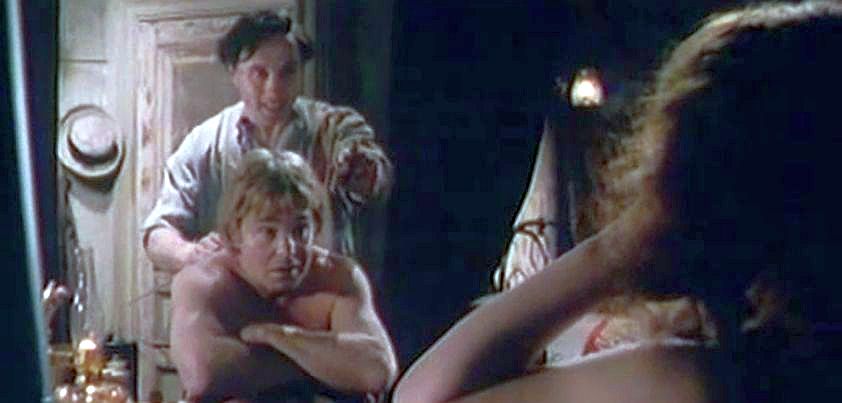
The Mouse: Short story by H. H. Munro (aka Saki)This story by Saki satirizes the social sensitivities of the late-Victorian/Edwardian middle class. A prudish young man who has had a sheltered upbringing returns to the city from a farm visit. Sharing his train compartment is a woman who appears to be sleeping. He soon finds they are not alone… he has a mouse in his pants! To avoid offending the woman and causing a scene, he removes his trousers by hiding behind a blanket. Unfortunately, the blanket falls before can he put them on again and the woman wakes up. Themes include propriety, embarrassment, dissimulation, insensitivity towards others.

Continue ReadingThe Mouse

The Three Questions

The Three Questions: Short story by Leo TolstoyThis parable from Leo Tolstoy is about how to succeed in life. A king believes he would never fail in a task if he always knew three things: What is the best time to begin? Who are the most important people to have around you? and What is the most important thing to spend your time doing? He offers a reward for the answers, but neither his wisest counselors nor others who come to claim it can help. An experience with a forest hermit and injured assassin teach him what he needs to know. Themes: wisdom, humility, kindness, forgiveness, morality.

Continue ReadingThe Three Questions

I Could See the Smallest Things

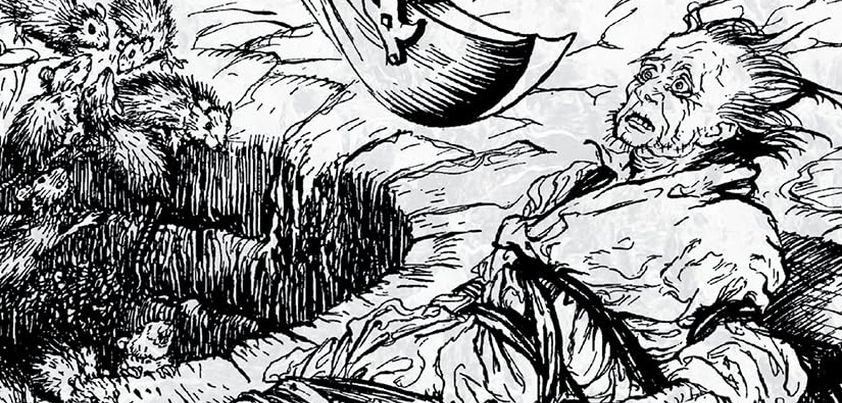
I Could See the Smallest Things: Short story by Raymond CarverThe title of this story by Raymond Carver is somewhat ironic. When protagonist Nancy looks out her bedroom window, she can see the smallest of things. What she can’t see or won’t acknowledge are the big things in her life that need attention. Concern about her open gate and multiple references to fences symbolize three important themes: insecurity, alienation, and fear of the outside world and/or change. Neighbor Sam’s garden pests represent another: inertia (sluggishness). Sam has moved on from his problems in life; Nancy and husband Cliff have not. Other themes: alcohol abuse, regret, emptiness and lack of fulfilment.

Continue ReadingI Could See the Smallest Things

The World Goes On

The World Goes On: Short story by László KrasznahorkaiThe recent (November, 2025) inferno that destroyed five high-rise apartment blocks in Hong Kong reminded me of this story by László Krasznahorkai. The narrator struggles to express his feelings as images of the September 11, 2001 World Trade Center collapse constantly replay in his mind. Rather than an isolated terrorist event, he argues that the root cause was an “immeasurably vast” destructive power that arrived on earth simultaneously with humans and releases itself in cycles of destruction and new beginnings. Themes include the limitations of language in dealing with apocalyptic events and the unpredictable, cyclical nature of destruction and renewal.

Continue ReadingThe World Goes On

The Girl Who Can

The Girl Who Can: Short story by Ama Ata AidooIn this inspiring story by Ama Ata Aidoo, a seven-year-old Ghanaian girl demonstrates that success in life is not about meeting societal gender norms, but rather capitalizing on one’s natural talents and abilities. The girl’s grandmother clings to outdated concepts of a woman’s role and place in the community, criticizing her “non-child-bearing” legs and desire for education. The girl’s mother passively accepts the body comments, but supports her schooling. Ironically, when the girl achieves athletic success, the grandmother basks in her glory. Themes include innocence, matriarchy, tradition (gender roles), generational conflict, body shaming, education and self-improvement, identity (self-discovery and empowerment).

Continue ReadingThe Girl Who Can