The Goophered Grapevine

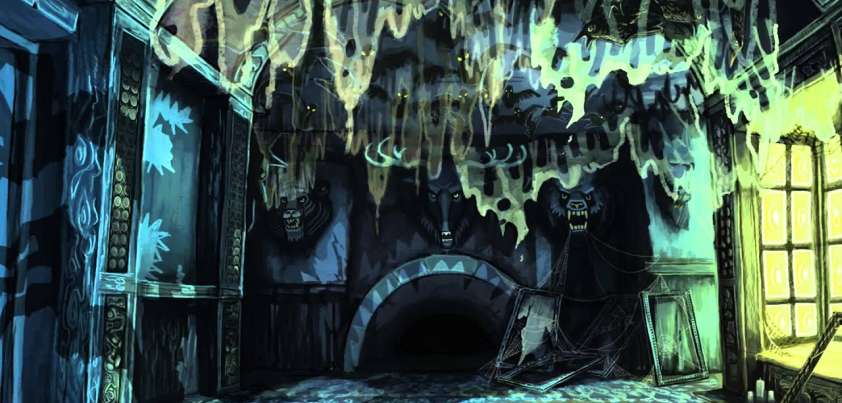
The Goophered Grapevine: Short story by Charles W. ChesnuttSet shortly after the American Civil War, this story from Charles W. Chesnutt is about a “Northerner” with an interest in grape cultivation who moves to the South for his wife’s health. While inspecting a derelict vineyard, they meet a “colored man” who tells how the previous owner had a sorceress put a spell (goopher) on the grapes to stop them being stolen. He then describes the sad fate of a newly acquired slave who, unaware of the spell, “sampled” the grapes. Themes: racism and slavery, the supernatural, greed, exploitation, dishonesty, trickery, karma.

Continue ReadingThe Goophered Grapevine

The Fence

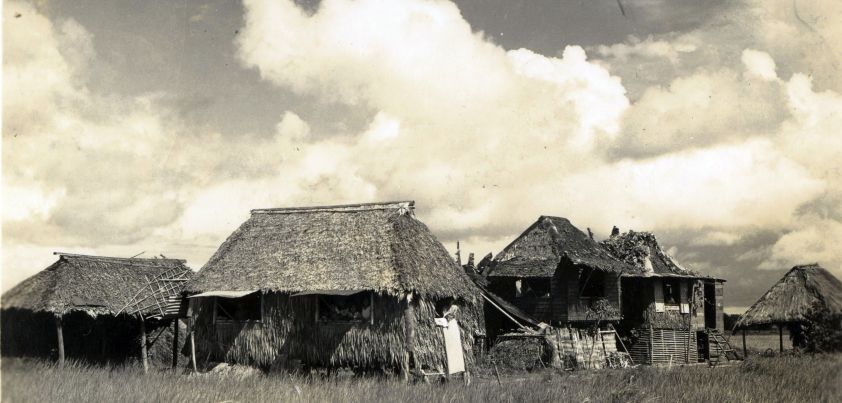
The Fence: Short story by Hamsad Rangkuti This story from Hamsad Rangkuti is an allegory of the biblical concept do unto others as you would have them do unto you. Many people are uncomfortable interacting with those who are different or less fortunate. Their solution is to establish social boundaries (fences) that block concerns about them from their lives. The story’s message is two-fold. First, no fence offers complete protection. Second, as exemplified by the vagrant gang, the mere existence of such a fence can bring about the result it is intended to prevent. Themes: (the mother) fear, lack of compassion, selfishness; (the father) kindness, sharing, faith.

Continue ReadingThe Fence

The Willow Walk

The Willow Walk: Short story by Sinclair LewisIn this story by Sinclair Lewis, twins Jasper and John Holt couldn’t be more different: Jasper, a well-dressed, respectable bank teller and admired member of a community theatre group; John, a disheveled, reclusive religious fanatic and admired member of an obscure religious cult. Yet they are the same person, a skilled actor carrying out an elaborate bank heist. The robbery goes off perfectly… “Jasper” mysteriously disappears, and John, who no one suspects, has the money. All goes well until John’s conscience causes him to descend into madness. Themes include crime, dissimulation, social class, religious zealotry, guilt, madness, atonement, despair.

Continue ReadingThe Willow Walk

The Nose

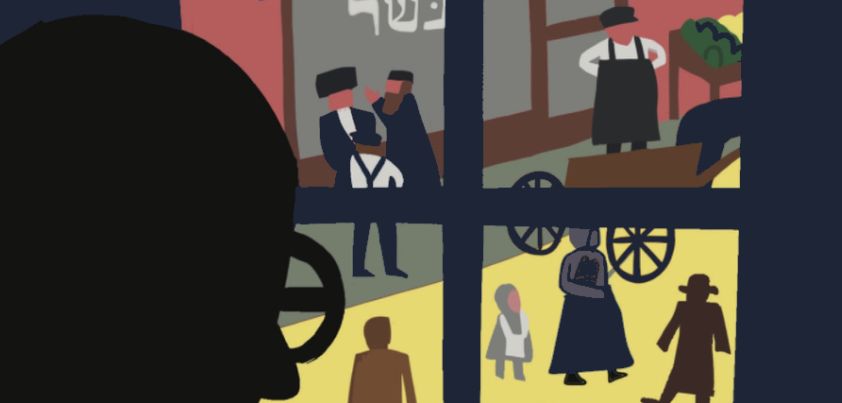
The Nose: Short story by Nikolai GogolNikolai Gogol was a pioneer in absurdist fiction, writing this story almost eighty years before Franz Kafka’s iconic Metamorphosis. Gogol’s absurdism served an important purpose: social criticism. The Nose is a comical account of “Major” Platon Kovaloff, a vain, pompous and narcissistic municipal official who goes looking for his wandering proboscis. Kovaloff is so obsessed with improving and capitalizing on his social position that he feels emasculated without it. The story satirizes three aspects of Russian society: 1) the corrupt government bureaucracy; 2) its fixation on superficial signs of importance; and 3) how different social classes view and treat women.

Continue ReadingThe Nose

The Management of Grief

The Management of Grief: Short story by Bharati MukherjeeThis story by Bharati Mukherjee is a fictional account of how families of Canadian-Indian passengers coped (or in some cases couldn’t cope) in the aftermath of the 1985 bombing of Air India Flight 182. Told through the eyes of a woman who lost her husband and two sons, the story contrasts the Canadian government’s insensitive, “textbook” approach to grief management with the protagonist’s conviction that we must all grieve in our own way according to our cultural traditions and personal preferences. Themes: denial (hope) vs. acceptance, despair, cultural tradition, bureaucracy, collective vs individual identity, collective blame.

Continue ReadingThe Management of Grief

Cell One

Cell One: Short story by Chimamanda Ngozi AdichieSome websites describe Nnamabia, the young protagonist in this story by Chimamanda Ngozi Adichie, using terms such as ‘a wayward, rebellious son’. This is treating him too kindly. At the beginning of the story, Nnamabia is an entitled, spoiled, manipulative brat… too weak-willed to resist imitating the petty thefts of his peers, yet so cowardly that the only person he is game enough to steal from is his mother. Although he did not deserve the punishment he received at the hands of the so-called Nigerian justice system, he learnt some important lessons and came out of it a man.

Continue ReadingCell One

An Hour with Abuelo

An Hour with Abuelo: Short story by Judith Ortiz CoferWhen the young protagonist in this Judith Ortiz Cofer story reluctantly visits a nursing home to spend an hour with his abuelo (grandfather), he admits to knowing very little about the old man’s background. The abuelo has written a short biography. He seems quite proud of what he has achieved in life given the challenges that came his way. However, the naïve boy is left wondering why the old man didn’t fight harder to realize his childhood dreams. Themes: aging, memories, language (words), ambition, acceptance (Asi es la vida = Such is life!), regret, sacrifice, family responsibility.

Continue ReadingAn Hour with Abuelo

The Death of Ivan Ilyich

The Death of Ivan Ilyich: Short story by Leo TolstoyThe major themes of this famous novella by Leo Tolstoy are the inevitability of death and the shallowness of Russia’s bourgeoisie. As Ivan Ilyich, a successful civil servant, faces an early, agonizing death he asks himself the inevitable question: How could that be, when I did everything [in life] properly? By bourgeoisie standards, his assessment is correct. However, by general social standards Ivan’s superficial, self-centered life lacked compassion, genuine connection, and spiritual meaning. As Ivan’s suffering strips away his delusions, he finds joy and redemption in death. Other themes: appearance and materialism, suffering, denial, isolation, acceptance and redemption.

Continue ReadingThe Death of Ivan Ilyich

The Treasure of Abbot Thomas

The Treasure of Abbot Thomas: Short story by M. R. JamesIn this story by M. R. James, a British antiquary comes across an old book written in Latin that tells of a German monastery in which a fortune in gold is believed to have been hidden. He believes the key to the treasure lies on a stained-glass window removed from the Abby and returned to England when the monastery was closed. He finds the window, decodes the message hidden on it and, despite the warning contained in the message, finds the gold. His only problem… dealing with the treasure’s monstrous guardian. Themes include treasure hunting, cryptography, fear, the supernatural.

Continue ReadingThe Treasure of Abbot Thomas

Hamadi

Hamadi: Short story by Naomi Shihab NyeIn this story by Naomi Shihab Nye, a bookish fourteen-year-old Palestinian-American girl develops a strong connection with Saleh Hamadi, an ageing Lebanese immigrant. Both share an interest in Kahlil Gibran, and in particular his book The Prophet. The girl is pleasantly surprised when the eccentric Hamadi, who lives a spartan, solitary life, accepts an invitation to join her Christmas caroling group. During the evening, she overhears some life advice she will remember for years as Hamadi comforts a friend who is in tears over being snubbed by a boy. Themes include connection, compassion, perseverance, resilience (life goes on), wisdom.

Continue ReadingHamadi