Featured Stories

Blood-Burning Moon

Blood-Burning-Moon: Short story by Jean ToomerSet in the American South during the days of enforced segregation, this story by Jean Toomer involves a love triangle between Louisa, an attractive young African-American woman and two men. Bob (the entitled son a white planter whose slaves were freed and landholdings reduced after the Civil War) picks a fight with his adversary Tom (a poor, quick-tempered black labourer). When Bob pulls a knife, Tom does likewise and kills him. In keeping with the times, Tom is gruesomely executed by a white vigilante mob. Themes: love vs. lust, racism/white supremacy, identity, violence, vigilante justice.

Continue ReadingBlood-Burning Moon

A&P

A&P: Short story by John UpdikeJohn Updike’s A&P reflects some common Middle American attitudes before the social upheavals of the 1960s. A supermarket employee (Sammy) resigns when three girls in swimsuits are rudely asked to leave the store. Themes include appearance, respect, sexuality, humiliation, class and choices. I don’t share the common interpretation that Sammy’s actions are heroic. The misogyny evident in his denigrating, sexist descriptions of the girls and cruel references to other customers suggest that he is not as righteous as he makes out. Would such a person really quit because of Lengel’s treatment of the girls, or could there be another reason?

Continue ReadingA&P

Hermann the Irascible (Story of the Great Weep)

Hermann the Iracible: Short story by SakiThis story by Saki is a classic example of the use of reverse psychology to achieve a desired result… in this case, shutting down the women’s suffrage movement. The story first appeared in 1909 at the height of mass demonstrations of both men and women in support of the cause. I have seen some suggestions that the story trivializes women’s rights. This misses the point that Saki’s use of satire is so “over the top” here that, rather than mocking suffrage, the story highlights and supports it. Themes include human rights, tyranny, manipulation through excess.

Continue ReadingHermann the Irascible (Story of the Great Weep)

The Chance

The Chance: Short story by Peter CareyIn this story by Peter Carey, a bitter old man looks back on a time when he desperately tried to prevent his attractive lover from making herself ugly in a genetic lottery known as “The Chance”. The lottery, in which winners could alter their age or body shape, was run by alien invaders. Physical beauty was a social liability at the time and, as a member of a revolutionary movement intent on overthrowing the aliens, she was prepared to sacrifice her looks to remain anonymous. Themes include alcohol and drug abuse, love, chance, perceptions of beauty, courage, sacrifice.

Continue ReadingThe Chance

Letter to a Young Lady in Paris

Letter to a Young Lady in Paris: Short story by Julio CortázarThis surreal story by Julio Cortázar is in the form of a letter from an Argentinean man to a friend who has allowed him to stay in her apartment while she is visiting Paris. His concerns about disrupting the compact order of her rooms become a reality when, on the point of moving in, he vomits up a tiny rabbit. This is normally an occasional occurrence, but ten more bunnies pop out over the following weeks. As they grow and begin to trash the place, he contemplates drastic action. Themes include phobia (about moving), obsession (with orderliness), depression, alienation, despair.

Continue ReadingLetter to a Young Lady in Paris

The Snows of Kilimanjaro

The Snows of Kilimanjaro: Novelette by Ernest HemingwayThe major themes of this stream of conscience narrative by Ernest Hemingway are death, regret for one’s life choices, and things left undone. A bitter, failed writer lies dying in a safari camp on the plains below Mt Kilimanjaro. While cruelly taunting his wife, he evaluates his life through a series of flashbacks. Having lived an adventurous, hedonistic life including loving and leaving many women, each with more money than the last, he has a lot to reflect upon. Minor themes introduced through the flashbacks include post-war (WW1) trauma, loss, loneliness, misogyny and redemption.

Continue ReadingThe Snows of Kilimanjaro

Testimony of Pilot

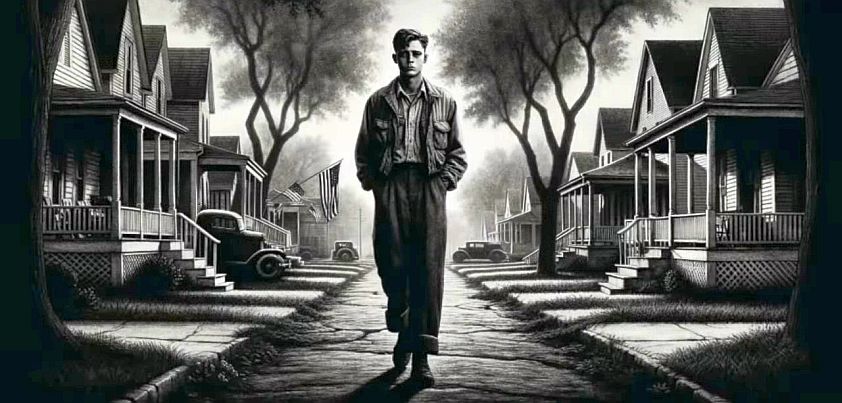
Testimony of Pilot: Novelette by Barry HannahThis powerful story by Barry Hannah follows the journey of a boy and several companions from youthful pranks to high school band competitions, musical success, fulfilling careers and, in two cases, premature death. Set between the mid-1950s and the late-1960s, the story highlights several aspects of the American South’s small-town culture of the day: family wholesomeness, racial segregation, the sexual revolution, the rise of rock and roll, and the Vietnam War. Themes include the transformative power of music, friendship and rivalry, sexuality, gender roles, misogyny, racism, isolation, patriotism, and social change.

Continue ReadingTestimony of Pilot

The Babus of Nayanjore

The Babus of Nayanjore: Short story by Rabindranath TagoreMajor themes of this Rabindranath Tagore story are class, identity and hubris. Despite living in poverty, the last male descendent of a once wealthy Indian noble family maintains his aristocratic bearing. Most in the community humor the old man, treating him with kindness and respect. However his neighbor, the well-educated, excessively proud son of a working class man who became rich through hard work, looks down on him. The neighbor plays a cruel trick that backfires, finding himself part of the old man’s family and greatly boosting his self-esteem. Other themes include tradition, social change, extravagance vs. frugality, dignity, respect.

Continue ReadingThe Babus of Nayanjore