
The Whisperer
 In this children’s story by Vivien Alcock, a British girl visits a friend’s house for the first time. Sitting down to tea, she senses that she is being watched by someone hiding in the room. As she moves around the house, she hears strange whispering… “Let me in, please let me in.” She can’t see anyone, and later learns that the plea comes from a ghost that has been following the family for years. Thanks to the girl, the restless spirit is finally able to sleep. Themes include friendship, tolerance, compassion, forgiveness, the supernatural.
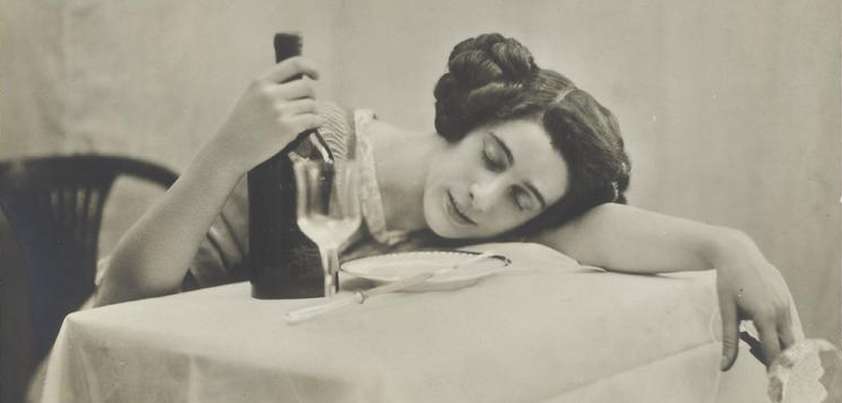 The title of this
  The protagonist in this story by
  In this story by
 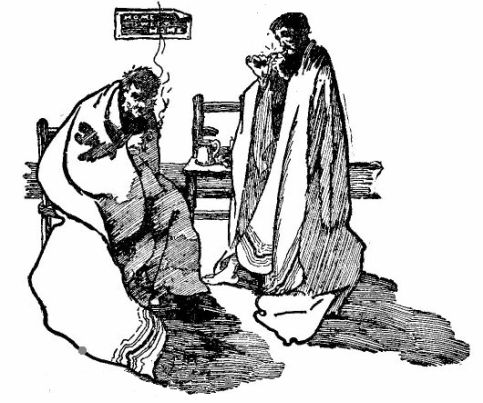 Modern readers tend to associate
  On the surface, major themes of this story by
  Heavy snow can cause many problems, closing roads and stopping people from going to work or school. Today’s story from
  Although this story was described as an “Australian” folktale when published in 1910, Australia is too young a nation to have folktales of its own. This is an adaption of an Australian aboriginal myth. Like those of many ancient cultures, it tries to explain the meaning of every-day things: in this case, how fish got into rivers and why rivers always feel warmer if you swim in them on a cold day. According to the story, fish used to live and hunt on the land and only came to live underwater because of an accident lighting a fire.