Oysters

Oysters: Short story by Anton ChekhovIn this story by Anton Chekhov a young boy so weak from hunger that he can barely stand sees a sign in a restaurant advertising oysters. He knows that oysters are some kind of seafood. However, he does not know what they look like. In his hunger-affected state, the boy imagines himself eating creatures half-way between a crab and a frog. He then pictures himself eating up everything around him. He suddenly comes back to earth when two rich “gentlemen” agree to introduce him to the real thing. Themes include poverty, social class, insensitivity, shame, false pride, vanity, unconditional love.
Continue ReadingOysters

Gusev

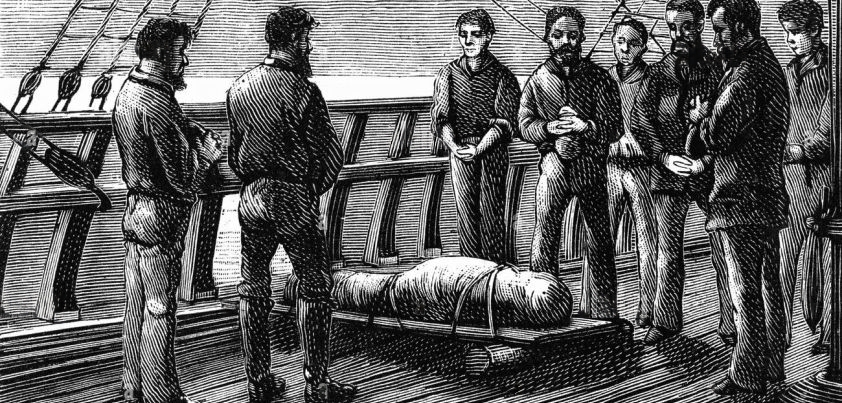
Gusev: Short story by Anton ChekhovThis Anton Chekhov story contrasts the attitudes towards social injustice of two Russian soldiers returning home by ship after serving in the Far East. Both are dying of tuberculosis, and neither survives the voyage. One (Gusev) is an uneducated, superstitious peasant who passively accepts his lot. The other (Pavel Ivanovich) is a bitter, fallen intellectual who looks down on “lesser” men and claims to actively oppose the Russian social system. Themes include social class, passivity vs. activism, memory and imagination, loneliness and alienation, the inconsequence of human suffering and death in the context of the glory of nature.

Continue ReadingGusev

A Joke

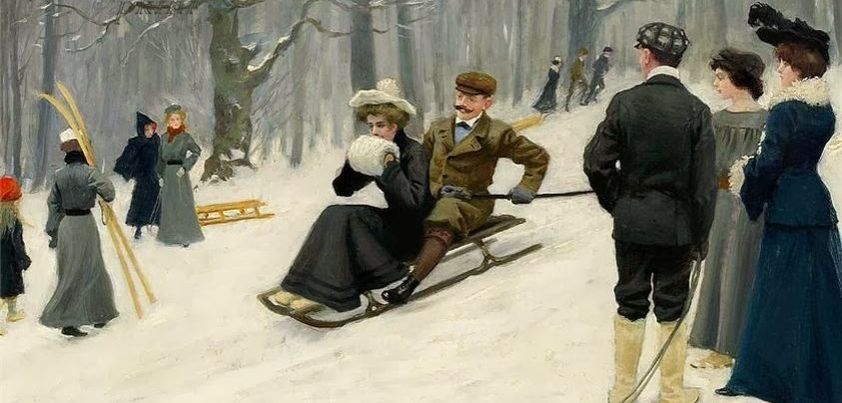
A Joke: Short story by Anton ChekhovIn this story by Anton Chekhov, a young man plays a trick on a terrified lady-friend by whispering a ghostly I love you as they speed down a mountain on a toboggan. Unsure of what she heard, the woman asks the man to repeat the ride over and over. Each time they do so, he whispers the same words. Soon it becomes an obsession and every day she wants to go up the mountain to listen for the words. Her reaction when she thinks she has the answer is a surprise. Themes include fear, innocence, playful deception, confusion, obsession, regret.

Continue ReadingA Joke

Home

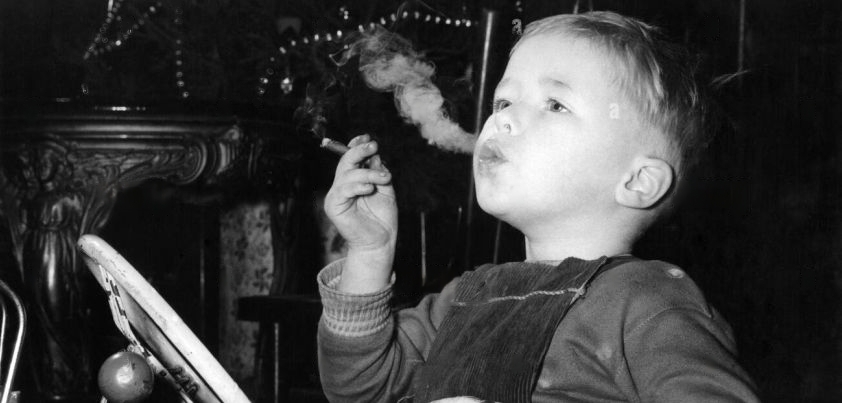
Home: Short story by Anton ChekhovThis story by Anton Chekhov explores the topic of parent-child communication. A court prosecutor learns that on two occasions his seven-year-old son stole some of his tobacco and was caught smoking. In true prosecutorial style, he does his best to point out the dangers of smoking. However, each time he raises an argument, the boy drifts off on a tangent and changes the subject. Recognizing he isn’t getting through to his son, he abandons logic and successfully communicates the message through a bedtime story. Themes include father-son relationships, punishment vs. discipline, logic vs. imagination, the power of storytelling.

Continue ReadingHome

The Bet

The Bet: Short story by Anton ChekhovThis Anton Chekhov opens with a dinner discussion about capital punishment. A banker claims the death penalty is kind because a lifetime in prison is not worth living. A lawyer argues that any life is better than no life at all. To prove his point, the banker bets the lawyer a small fortune that he couldn’t survive being locked up for many years with minimal contact with the outside world. Towards the end of the period, the banker visits him with murderous intent. Themes include crime and punishment, idealism and conviction, isolation and dehumanization, acquired wisdom, greed and excess.

Continue ReadingThe Bet

A Problem

A Problem: Short story by Anton ChekhovIn this Anton Chekhov story, wealthy family members consider what to do about a nephew who has issued a false promissory note (IOU) in one of their names. Do they repay the debt to preserve family honor and avoid a scandal, or let justice take its course? On learning of the decision, the unscrupulous young man uses it to extort further money from an uncle trying to help him and, in the process, grudgingly admits an unfortunate aspect of his character. Themes: crime and consequences; justice/civic duty vs. family honor; nature vs. nurture, hedonism of the young upper-class, pride, despair.

Continue ReadingA Problem

The Looking-Glass

The Looking Glass: Short story by Anton ChekhovIn this story by Anton Chekhov, a young woman dreams 24/7 about getting married and settling down with the perfect man. One night, while sitting in front of her looking-glass, she has a vision of what the future may hold. She sees the reality of living and raising a family in rural Russia in the late 1800s. The vision encompasses many of Chekhov’s common themes: love, hope, disease, fear, financial struggle, the challenges of parenthood, death and despair. The woman’s cry of Why is it, what is it for? introduces a final theme: disillusionment. Her dream has become a nightmare.

Continue ReadingThe Looking-Glass

A Defenseless Creature

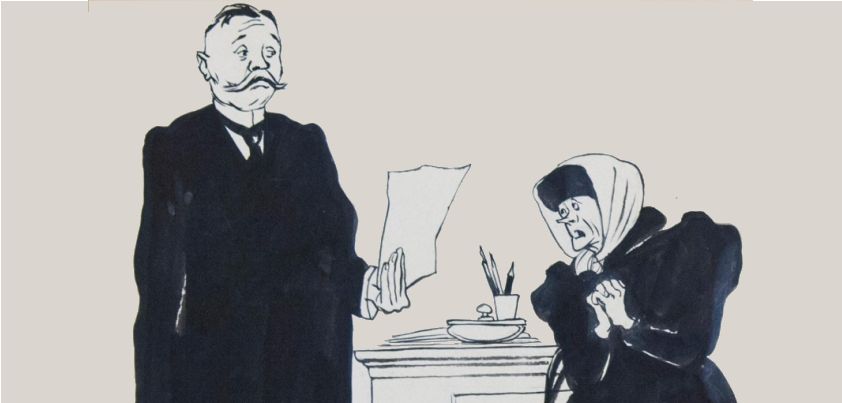
A Defenseless Creature: Short story by Anton ChekhovIn addition to his tales highlighting serious issues such as poverty, class, death and unfulfilled expectations, Anton Chekhov wrote dozens of comic short stories to support himself through medical school. In this story, a persistent, shrew-like woman wears down a sickly banker. The exasperated man finally pays money the woman claims is owing to her husband out of his own pocket, even though the alleged debt has nothing to do with his bank. Despite the woman repeatedly describing herself as such, readers are left wondering if the harried banker is the titular “defenseless creature”. Themes: bureaucracy, communication, desperation, persistence.

Continue ReadingA Defenseless Creature