A Problem

A Problem: Short story by Anton ChekhovIn this Anton Chekhov story, wealthy family members consider what to do about a nephew who has issued a false promissory note (IOU) in one of their names. Do they repay the debt to preserve family honor and avoid a scandal, or let justice take its course? On learning of the decision, the unscrupulous young man uses it to extort further money from an uncle trying to help him and, in the process, grudgingly admits an unfortunate aspect of his character. Themes: crime and consequences; justice/civic duty vs. family honor; nature vs. nurture, hedonism of the young upper-class, pride, despair.

Continue ReadingA Problem

The Purloined Letter

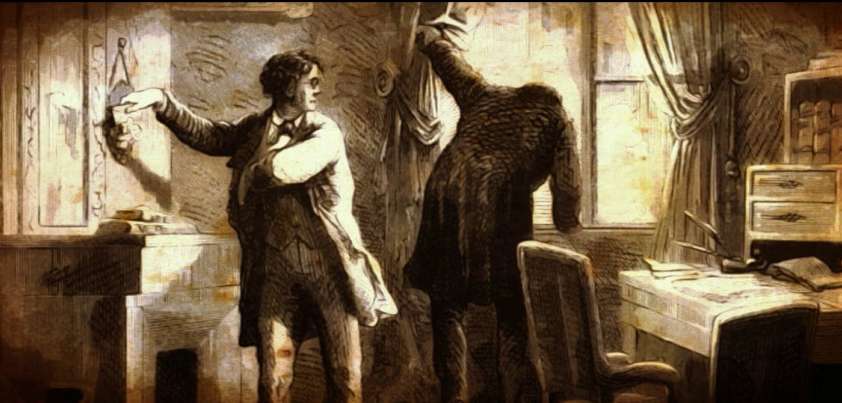
The Purloined Letter: Short story by Edgar Allan PoeEdgar Allan Poe is famous for his horror stories. However, only about fifteen of his sixty or so stories are of this kind.He is also widely recognized as the “father” of modern detective fiction thanks to his three tales featuring the Chevalier [Sir] Auguste Dupin. In a manner later emulated by the likes of Sherlock Holmes and Hercule Poirot, Dupin succeeds where eminent policemen fail… in this case, simply by recognizing that the best place to hide something important is in plain sight. Themes: blackmail, political manipulation, deception, linear (scientific) vs. lateral thinking.

Continue ReadingThe Purloined Letter

A Jury of Her Peers

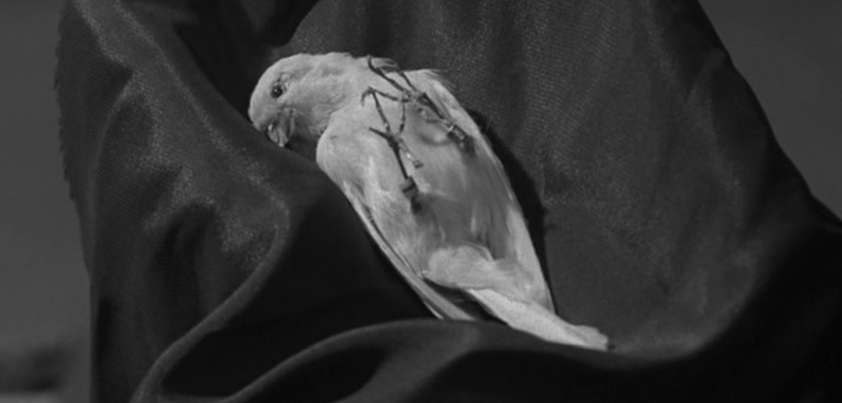
A Jury of Her Peers: Short story by Susan GlaspellThe three dominant themes of this story by Susan Glaspell are feminism (gender roles), deception and justice. Men investigating a farmer’s murder bring two of their wives to the scene of the crime (his farmhouse) to collect clothing, etc. for the suspect (the farmer’s wife) while in jail. Ironically, although the men mock the women’s ability to contribute to the investigation, the wives find evidence that would convict the suspect. They then face a moral dilemma. A jury of men would not understand the suspect’s suffering. Would justice be served by proving her guilt?
Continue ReadingA Jury of Her Peers

The Red-Headed League

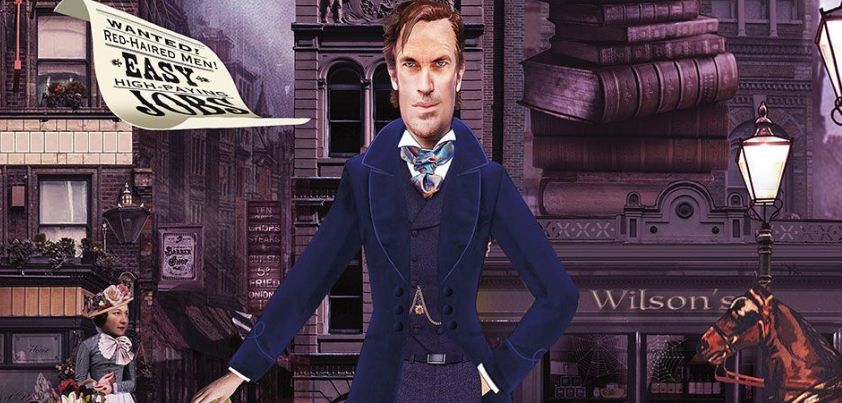
The Red-Headed League: Short story by Arthur Conan DoyleA common theme in most detective stories is superior observation skills and deductive reasoning. A defining feature of Arthur Conan Doyle’s Red-Headed League is the way the facts presented by the gullible Wilson appear so bizarre to Watson as to defy interpretation. This prompts Holmes’s to quip: Omne ignotum pro magnifico [we exaggerate the importance of the unknown]. Once he dismisses the Red-Headed League as a distraction, identifying the crime in progress becomes a straightforward matter for the great detective. Other themes include deception (appearance vs. reality), gullibility, greed (of both the criminals and Wilson), crime and justice.
Continue ReadingThe Red-Headed League

The Duchess and the Jeweller

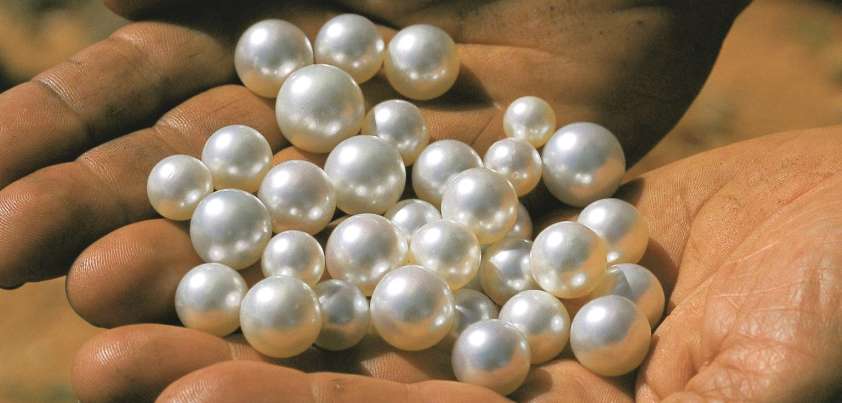
Seventh Grade: Short story by Gary SotoThis story by Virginia Woolf reflects the period in which the moral decadence of British aristocracy led to its loss of respect among the people and the rising influence of newly rich commoners. It also shows how both groups could be equally ruthless in achieving their goals. The Duchess represents the aristocracy, corruptly trying to sell a fake set of pearls by taking advantage of the Jeweller’s interest in her daughter. The Jeweller represents the newly rich, craving social acceptance and willing to waste £20,000 buying fake pearls to achieve it. Themes include greed, vanity, social class, appearance, deception, racism.

Continue ReadingThe Duchess and the Jeweller

The Cone

The Cone: Short story by H. G. WellsWhen the manager of an iron-works takes an artist friend he knows to be sleeping with his wife on a tour of the furnaces, it seems inevitable that one of them will meet with an unfortunate ‘accident’. The power of this H. G. Wells story lies in its gradual build-up of suspense and vivid descriptions of the industrial landscape and smelting process. Major themes are adultery, revenge, violence and (for modern-day readers) environmental degradation. Ironically, when the story was published in 1895, readers would have identified the fourth theme as something akin to ‘progress’.

Continue ReadingThe Cone

The Hit Man

The Hit Man: Short story by T. C. BoyleT. C. Boyle’s The Hit Man is a clever satire of the short story genre. Written in short paragraphs under sub-headings, the story contains all the necessary elements of a short story. What makes it unusual is that Boyle is able to provide a meaningful account of his protagonist’s entire life (boyhood, adolescence, courtship, death of parents, ‘career’, marriage, family, retirement, death… and even dislike of peas!) in less than 1,200 words. He also manages to deal with some serious issues (bullying, schoolyard violence, judicial system failure, gratuitous murder, glamorized crime and death) along the way.

Continue ReadingThe Hit Man

The Chosen Vessel

The Chosen Vessel: Short story by Barbara BayntonThis story by Barbara Baynton paints a graphic picture of the isolation and dangers faced by women living in ‘outback’ Australia during the 19th century. A ‘swagman’ traveling the countryside looking for work visits a woman on a farm whose husband is away. She does not like the way he looks at her, and locks herself and her baby in their house. The man is about to break in when they hear a horse rider coming. The woman runs outside and calls for help. However, when the horse rider hears and then sees her, he races away in fright.

Continue ReadingThe Chosen Vessel