Examination Day

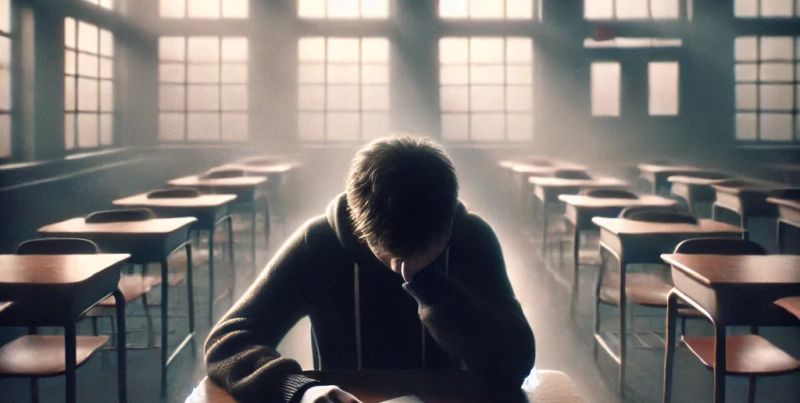
Examination Day : Short story by Henry SlesarSet in a late 20th century dystopian society, this story by Henry Slesar questions the acceptable limits of government control. A couple appears tense at the breakfast table on what should be a happy day, their only son’s twelfth birthday. The following week, the boy must take a government intelligence test. Although the father appears poorly educated, struggling to answer basic science questions, his son does well at school and is confident of passing. To their horror, he does even better and aces the exam. Themes include government control, fear, oppression, conditioning and acceptance, eugenics.

Continue ReadingExamination Day

The Secret Source

The Secret Source: Short story by Ben OkriThe world described in this Ben Okri story is not a pleasant place. Cities are decaying, rivers and oceans are so polluted they contain no life, ground water is undrinkable, and households are limited to just fifteen minutes of tap water a day. When a couple discover this is synthetic and contains chemicals designed to reduce dissent among the population, they embark on a quest to find a source of pure water. The ambiguous denouement encourages readers to ponder what life would be like in a world without freshwater. Themes include environmental degradation, urban decay, government manipulation and control.

Continue ReadingThe Secret Source

The Crooked Man

The Crooked Man: Short story by Charles BeaumontSet 500 years in the future, this story by Charles Beaumont envisions a dystopian world where homosexuality is the norm, heterosexuality is not only frowned upon but illegal, and children are tube-born and machine-nursed. Although the male protagonist is strongly attracted to a young woman, both struggle to deal with physical contact due to their social conditioning. As they cannot show affection in public, she disguises herself and they meet in a sleazy “men only” bar. In the end, she gets what she came for and his concerns are resolved. Themes include oppression, prejudice, sexual orientation, depravity.
Continue ReadingThe Crooked Man

Speech Sounds

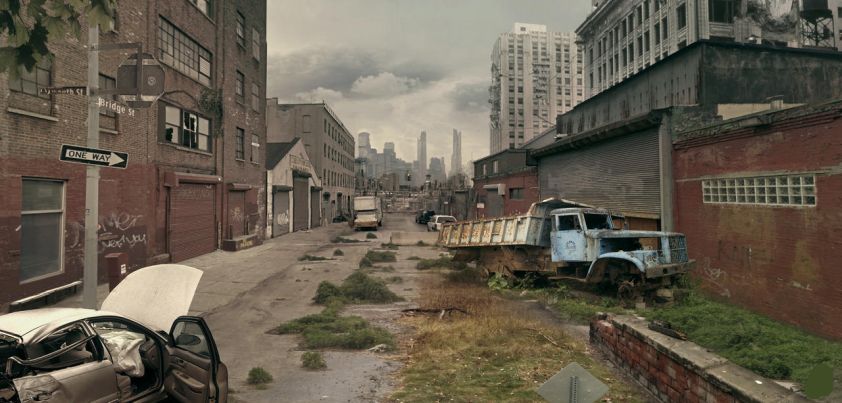
Speech Sounds: Short story by Octavia E. ButlerThis story from Octavia Butler takes place in a violent, post-apocalyptic world. A virus has killed billions and left most survivors unable to speak, read, write or understand spoken language. Governments and the corporate world have collapsed, there are no police or community services, fuel is scarce. People must fend for themselves. The protagonist, whose husband and children fell to the virus, is contemplating suicide. The desperate woman finds and cruelly loses a new lover, but in the process discovers a renewed purpose in life. Themes: the importance of language, isolation, loneliness, fear, violence, hope.

Continue ReadingSpeech Sounds

Usher II

Usher II: Short story by Ray BradburyFirst published in 1950 as Carnival of Madness, this story by Ray Bradbury is also included in his anthologies The Martian Chronicles and The Illustrated Man. A wealthy book-lover, angry about destruction of his extensive library because of fantasy and horror story censorship on Earth, builds a look-alike version of Edgar Allan Poe’s House of Usher on Mars. He invites prominent book-banners to a party at the house, where they meet different Poe-inspired ends. Themes include censorship vs. personal freedom, the importance of speculative fiction, the danger of excess political correctness, zealotry (in this case, taking a protest too far!)

Continue ReadingUsher II

The Red Bow

The Red Bow: Short story by George SaundersThis dystopian story from George Saunders is often referred to as a metaphor for the post 9-11 Afghan and Iraq Wars. It is also an allegory of a much older, far-reaching problem: ethnic cleansing. A small group of dogs (people) is seen as a direct threat and are eliminated. After this, paranoia sets in. All dogs and cats (minority groups) become suspect and must also be removed. The dictatorial rise of Uncle Max by exploiting fear of the perceived “enemy” is also symbolic of the way many world leaders have come to power. Themes: tragedy, grief, paranoia, protection, authoritarianism.

Continue ReadingThe Red Bow

The Machine Stops

The Machine Stops: Short story by E. M. ForsterThis Science Fiction classic by E. M. Forster explores the role of “the machine” in the rise and fall of a future dystopian civilization. After developing the machine the population grow dependent upon it, become controlled by it, worship it, and are ultimately destroyed by it. In the process, they regress in terms of human interaction, family relationships, physical strength, critical thinking ability and free will. Only the “homeless”, who have no access to the machine, survive. The major theme is the danger of over-reliance on and losing control of technology. Other themes: environmental degradation, religious faith, freedom, rebellion.

Continue ReadingThe Machine Stops

The Lottery

The Lottery: Short story by Shirley JacksonAuthor Shirley Jackson had no idea of the angry reaction The Lottery would receive when it first appeared in 1948. The story tells how each year the otherwise ‘normal’ people in a small American farming town perform a gruesome ritual to ensure a favorable growing season. The major theme is how herd or mob mentality can drive people to do things they would never consider individually. Other themes include dystopia, gender roles, violence and cruelty (human sacrifice), acceptance (the blind following of tradition), and man’s inhumanity to man (the potential for evil in all of us).

Continue ReadingThe Lottery