Adam and Eve and Pinch Me

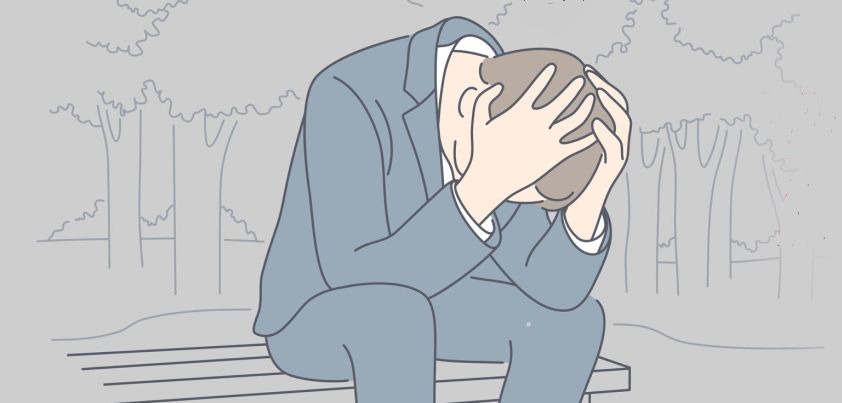
Adam and Eve and Pinch Me: Short story by A. E. CoppardIn one of A. E. Coppard’s more enigmatic stories, a confused man finds himself unable to open the doors in his house or communicate with his three children or servants. The inference is that he is dead and doesn’t know it. Relief comes when he awakens from a daydream with his wife beside him. However, he has a different identity and the third child featured in the dream, who had special powers, has not yet been born. Themes include the convergence of reality and fantasy, death, family, frustration, anger, precognition, identity.
Continue ReadingAdam and Eve and Pinch Me

Metamorphosis

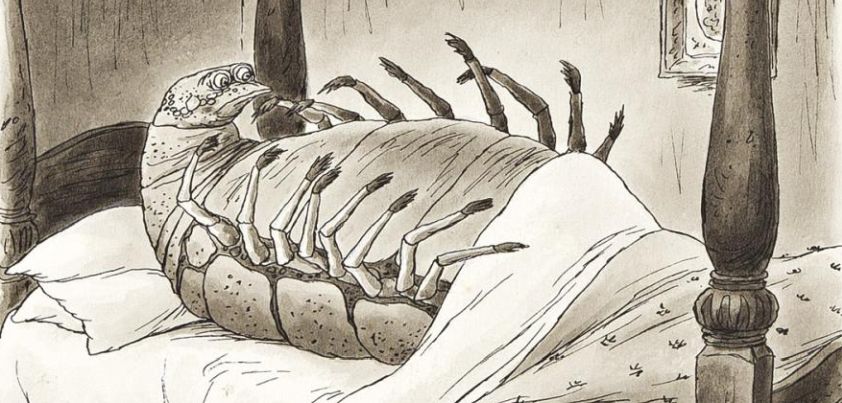
Metamorphosis: Short story by Franz KafkaIn this enigmatic story from Franz Kafka, a man who works hard as a traveling salesman to support his parents and younger sister wakes up one morning having metamorphosed into a giant bug. The father brutally confines the man/bug to his room, and for a period he/it is treated with consideration and compassion by the mother and daughter. However, as the family struggles to deal with their new financial situation, he/it gets less and less attention and ultimately suffers a rather cruel end. Themes include family, identity, self-sacrifice, alienation, transformation, isolation, betrayal, and the absurdity of life.

Continue ReadingMetamorphosis

The Company of Wolves

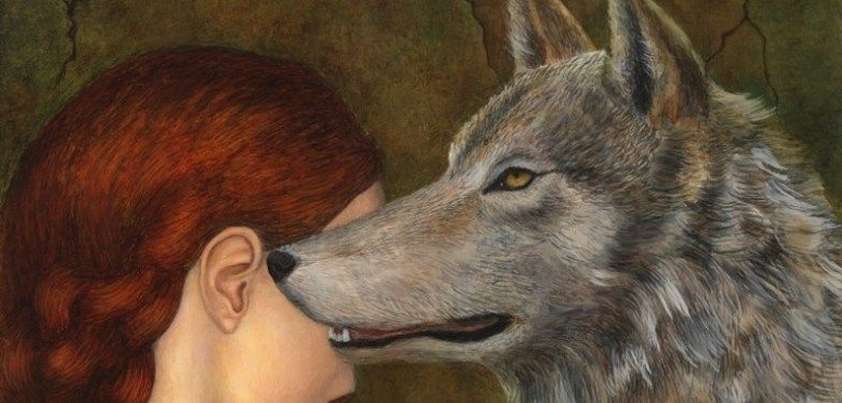
The Company of Wolves: Short story by Angela CarterThe early part of Angela Carter’s Company of Wolves comprises background and several anecdotes which build anticipation and atmosphere. The main story, which doesn’t start until one-third of the way through the text, is an adult-oriented adaption of Charles Perrault’s Little Red Riding Hood. Carter reinforces Perrault’s original theme through eroticism. The addition of the wolf choir outside the cabin (“Who has come to sing us carols, she said.” “Those are the voices of my brothers, darling; I love the company of wolves.”) reflects the feminist view (and Carter’s?) that all men have an innate desire to deflower young women.

Continue ReadingThe Company of Wolves

The Man Who Could Work Miracles (A Pantoum in Prose)

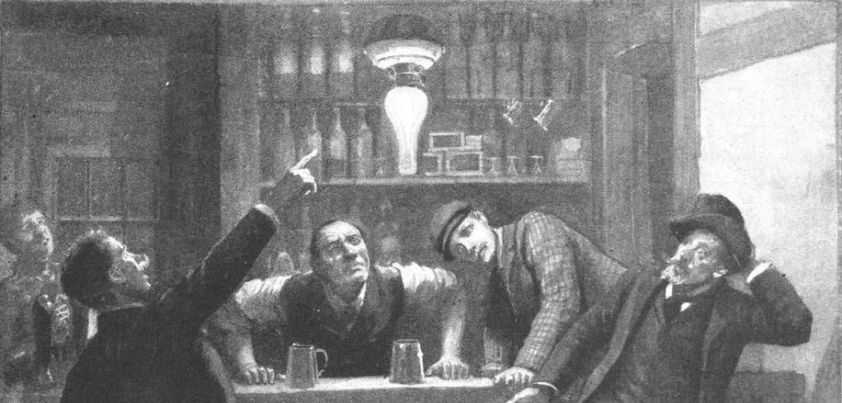
The Man Who Could Work Miracles: Short story by H. G. WellsIn this light-hearted story by H. G. Wells, a man known as a sceptic as far as miracles are concerned suddenly discovers he can make things happen just by thinking about them. After a few teething problems, such as sending a local police constable to Hades, he confides in his parish priest. Once convinced, the priest becomes so obsessed with using the miracle worker’s powers for good that he inadvertently encourages him to do something that brings about global catastrophe. Themes include the supernatural, power and responsibility, human frailty, the danger of interfering with nature, science vs. religion.

Continue ReadingThe Man Who Could Work Miracles (A Pantoum in Prose)

The Door in the Wall

The Door in the Wall: Short story by H. G. WellsThe major theme of this psychological fantasy by H. G. Wells is the conflict between reality (logic) and imagination. A precocious five-year old from a loveless household is permitted to walk the streets of London alone. One day he is drawn to a door that opens to an enchanted garden where he is greeted by tame animals and a beautiful, loving woman and plays with friendly children. Despite achieving great success in life, he becomes obsessed with re-visiting the garden. Other themes: childhood neglect, alienation and loneliness, escape, regret, obsession, success vs. happiness.

Continue ReadingThe Door in the Wall

Waldo

Waldo: Novella by Robert HeinleinIn this science fiction fantasy by Robert Heinlein, Earth needs help from “Waldo”, an eccentric genius born with degenerative muscle weakness. Angry at mankind after being cheated out of a ground-breaking invention, Waldo lives as a recluse in a gravity-free home in orbit above the planet. Earth’s problem is a series of physically impossible breakdowns in “deKalbs”, radiant power receptors used to power everything from vehicles to cities. With help from a little magic, he not only solves this but also makes three other important discoveries. Themes: identity, conquering disability, self-reliance and independence, science vs. “magic”.

Continue ReadingWaldo