The Mispaired Anklet

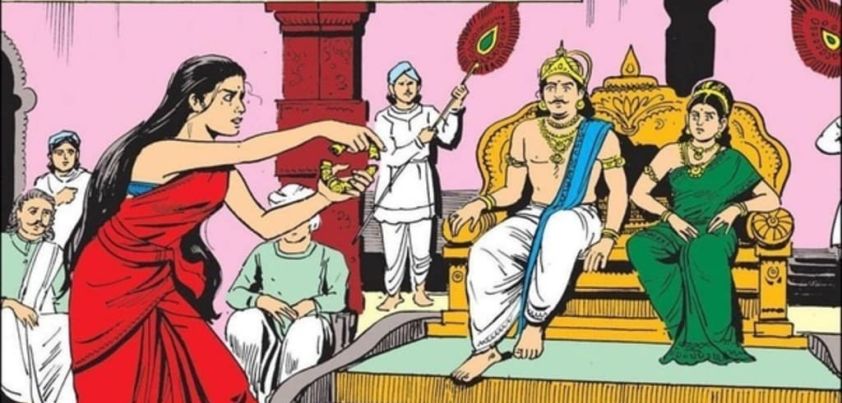
The Mispaired Anklet: Short story by R. K. NarayanThis story by R. K. Narayan, is based on the Tamil legend of Kannagi, a devoted wife who stands by her husband despite his love affair with a dancer. When he finally repents after squandering their fortune on entertainment and gifts for the other woman, they move to another city. They live happily there until Kannagi’s husband is framed for theft and summarily executed while trying to sell one of her gold anklets. Kannagi’s wrath is so great that she calls on the gods and has the city destroyed. Later, she learns that her fate was the result of karma.
Continue ReadingThe Mispaired Anklet

Like the Sun

Like the Sun: Short story by R. K. NarayanThe major theme of this story by R. K. Narayan is the nature and consequences of truth. After observing that relationships involve tempering truth so as not to hurt one another, the protagonist adds that life is not worth living without telling nothing but the truth at least one day each year. On one of these days, his honesty upsets three people. The first two are needlessly hurt; the third, although unhappy, benefits from his frankness. The story shows that truth is indeed like the sun: most of the time warm and nourishing, but also capable of causing serious damage.

Continue ReadingLike the Sun

The Doctor’s Word

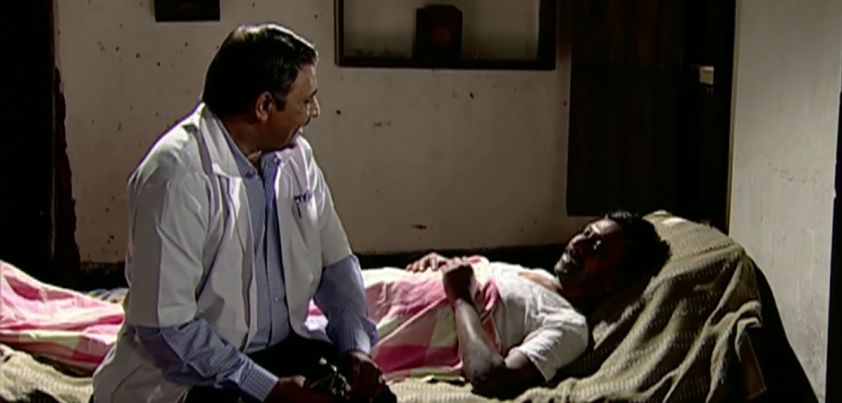
The Doctor's Word: Short story by R. K. NarayanIn this story by R. K. Narayan, a doctor renowned for telling patients the truth, even if the news is bad, faces a dilemma. A seriously ill close friend asks for a prognosis, saying that if he is dying he must finalize his will to protect his wife and children. The doctor doesn’t think he will survive the night, and is concerned that the shock of hearing this will kill him. He must choose between telling the truth, or lying to give is friend hope and a small chance of survival. Themes include truthfulness, friendship, faith, hope, choices and consequences.

Continue ReadingThe Doctor’s Word

A Horse and Two Goats

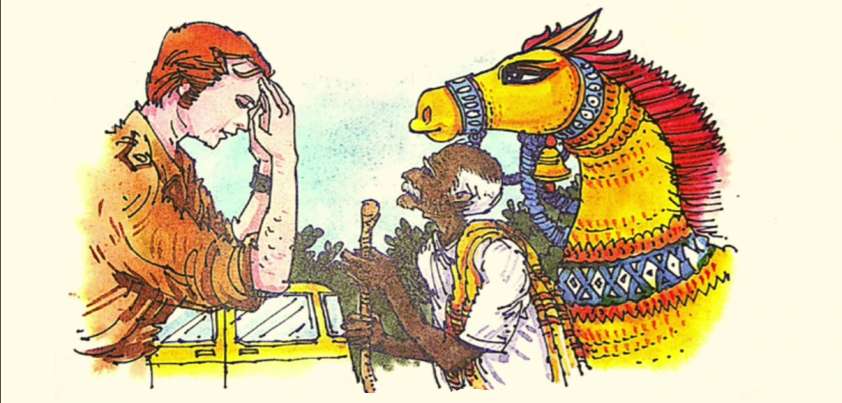
Seventh Grade: Short story by Gary SotoThis story from R. K. Narayan is a humorous account of the protagonist (Muri)’s trials and tribulations in a remote Indian village. Its major theme is culture clash (the villagers’ deep spirituality and acceptance of their lot vs. an American’s “money is everything” attitude). Other themes include miscommunication (and how it can sometimes pay off handsomely), change (younger villagers’ loss of appreciation of their cultural heritage, as symbolized by their indifference towards the statue), chauvinism (both men are extremely patronizing towards their wives), and archaeological looting (the American must surely recognize that the statue is of spiritual and/or historical significance!).

Continue ReadingA Horse and Two Goats

Naga

Naga: Short story by R. K. NarayanIn this story by R. K. Narayan, a widowed Indian snake charmer trains a monkey for his young son so the two can work together entertaining people in the streets. All goes well until the father runs away with a strumpet in a blue sari, taking the monkey with him. Left alone with the snake, which has grown too old to perform, the boy misses the monkey more than his father. He reluctantly keeps the snake after realizing it can’t survive in the wild, and looks for another kind of work. Themes include poverty, selfishness, abandonment, independence, loyalty, compassion.

Continue ReadingNaga

The House Opposite

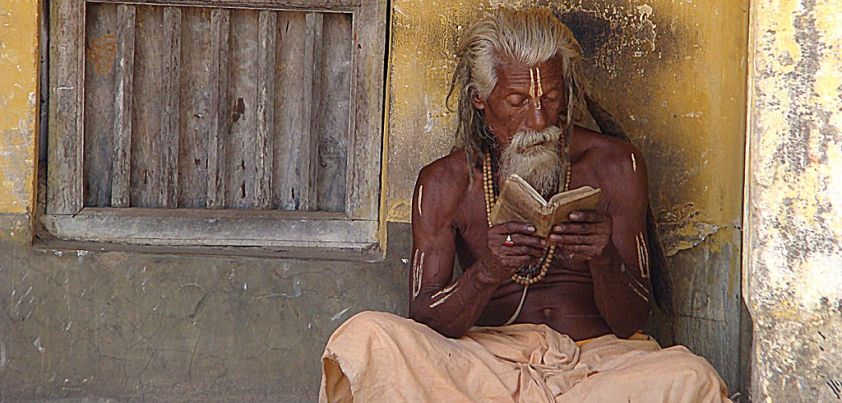
The House Opposite: Short story by R. K. NarayanIn this story by R. K. Narayan, an Indian “hermit” is both offended and titillated by the activities of a prostitute living opposite. His initial reaction is to label her a “monstrous” devil. However, imagining what she does night after night excites him to the point of obsession. There is a double irony here. The hermit, who has supposedly given up all pleasures, is consumed by desire. The prostitute, who regards him as a saint, respectfully seeks his blessing. It is not until this request that the hermit recognizes the woman’s humanity. Themes include spirituality, desire, self-righteousness, judging others, humanity.

Continue ReadingThe House Opposite

An Astrologer’s Day

An Astrologer's Day: Short story by R. K. NarayanThe “astrologer” in this story by R. K. Narayan is a fake, making a living by knowing enough about human nature to trick people into believing he has mystical powers. One day, he bargains with a reluctant passer-by to answer a question for many times his usual fee. He tries to cancel the reading immediately the passer-by sits down, but the man forcibly insists he continues. Although a deliberate lie, his answer not only eases the tormented man’s mind, but also brings in peace and redemption to himself. Themes include deception, fate, crime and punishment, revenge, redemption, spirituality, greed.

Continue ReadingAn Astrologer’s Day

Under the Banyan Tree

Under the Banyan Tree: Short story by R. K. NarayanThis story by R. K. Narayan starts by contrasting the village of Somal’s poor utilities and sanitation practices with the almost idyllic existence of its inhabitants. Set before the coming of electronic media, the only regular source of entertainment is Nambi, the village storyteller. As de-facto village priest, Nambi is also the focal point of its culture and traditions. Sadly, he is getting old. He forgets prepared stories, and has difficulty coming up with new material. Fortunately, he has the good sense to make his ‘greatest’ story his last. Themes include storytelling, community, aging, knowing when to stop, spirituality..

Continue ReadingUnder the Banyan Tree