Soldier’s Home

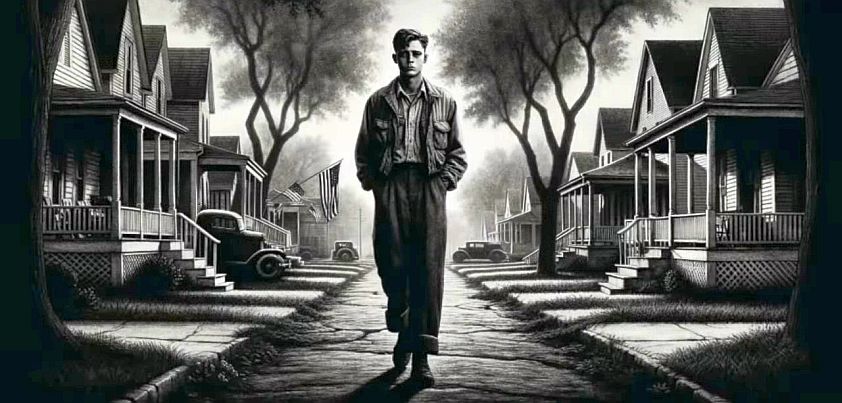
Soldier's Home: Short story by Ernest HemingwayThis story by Ernest Hemingway about an American soldier’s difficulty “fitting in” after returning from World War 1 is a wonderful example of the author’s Iceberg Theory, with much of the protagonist’s background hidden from readers. Upon return, the soldier finds himself alienated from his culture, community, friends, and family. He falls into depression and lethargy, obsessed with watching local girls go by, but avoiding contact with them. This may be due to an earlier failed relationship, or his distaste for his pious, controlling mother. Themes include PTSD, alienation, cultural and social change, fear of involvement and commitment.

Continue ReadingSoldier’s Home

Wakefield

Wakefield: Short story by Nathaniel HawthorneThis Nathaniel Hawthorne story opens with a newspaper account of a man who ‘disappeared’ after telling his wife he was going on a week’s holiday, stalked her for twenty years, and then returned home as if nothing had happened. The narrator speculates that the man’s ‘holiday’ may have been a cruel joke to see how his wife would cope without him, and that he gradually became so enamoured with the isolated, clandestine existence that he found it difficult to return home to his former life. Themes include singularity, alienation and isolation, resilience (the wife’s life goes on), obsession, insignificance.

Continue ReadingWakefield

The Fat Girl

The Fat Girl: Short story by Andre DubusThis story from Andre Dubus highlights the psychological damage that can arise when young people are shamed for not fitting community or cultural norms. A mother’s efforts to control her daughter’s diet results in a serious eating disorder. Later, a weight-loss program initiated by a well-meaning college roommate leads to a confused self-image, an unfulfilling, shallow marriage and, when she becomes pregnant, recurrence of the eating disorder. Fortunately, the birth of a son brings about an epiphany through which she is finally able to be comfortable with who she is. Themes: conformity, identity, food and dieting, body shaming, friendship, transformation.

Continue ReadingThe Fat Girl

In the Region of Ice

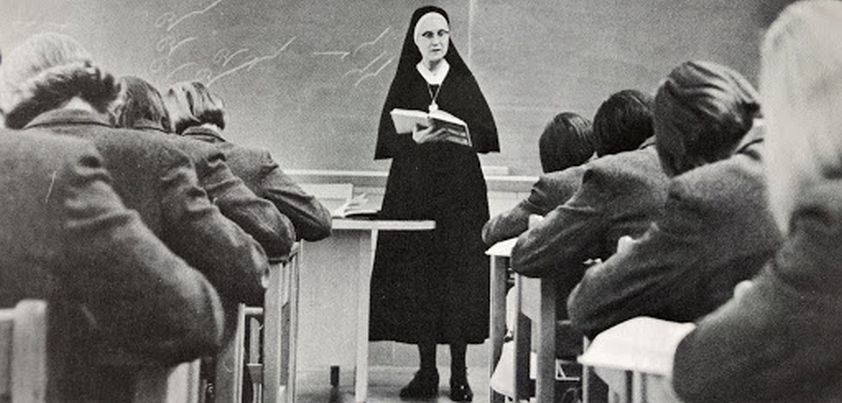
In the Region of Ice: Short story by Joyce carol OatesIn this story by Joyce Carol Oates, a young nun teaching her first semester at a Jesuit university is confident in her academic role but feels confused and alienated by the outside world. Things change when a brilliant but mentally disturbed Jewish graduate student joins her literature class. Although stimulated by his questions and probing mind, he exhibits a need for emotional support beyond her comfort zone. When she refuses a request to lend him money and take his hand, he becomes hysterical and verbally abusive. Themes include identity, connection (emotional detachment), mental illness, alienation, faith, compassion.

Continue ReadingIn the Region of Ice

The Cask of Amontillado

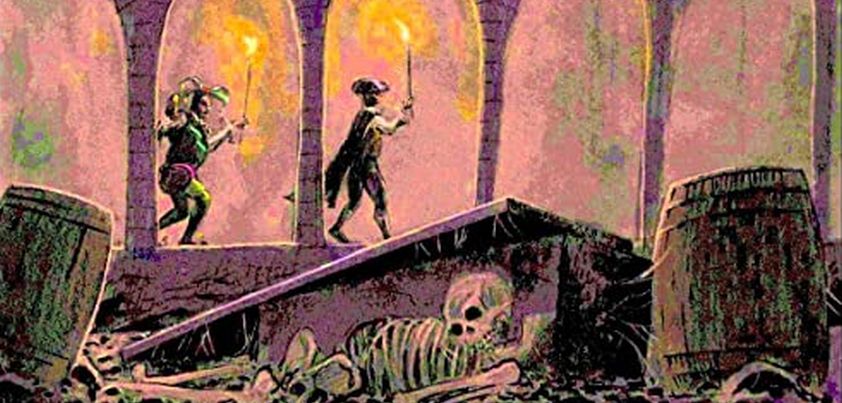
The Cask of Amontillado: Short story by Edgar Allan PoeThere is not much one can add to what has already been written about this classic tale from Edgar Allan Poe. Widely regarded as one of the world’s greatest Gothic horror stories, it is yet another example of Poe’s ability to supplement situational horror with insights into the twisted minds of his protagonists. The horror aspect of this story about a wine-tasting gone wrong (or right, depending on how you look at it) is enhanced by the ambiguity about the seriousness of the “insult” that lead to the victim’s claustrophobic end. Themes: revenge, trust/deceit, pride, envy, mortality, confession.

Continue ReadingThe Cask of Amontillado

Silver Water

Silver Water: Short story by Amy BloomAmy Bloom’s deeply moving Silver Water examines an often-overlooked aspect of mental illness: its impact on the sufferer’s family. Throughout the story, the parents (Galen and David) and their two “warrior queen” daughters struggle to navigate their way through inadequate medical insurance and mental illness support systems. In the process, they demonstrate what family love is all about. There is considerable irony in the fact that David (a psychiatrist!) not only failed to diagnose his daughter’s condition, but also has the most difficulty coping with her at home. Themes: mental illness, family love, death as a relief.

Continue ReadingSilver Water

The Oval Portrait

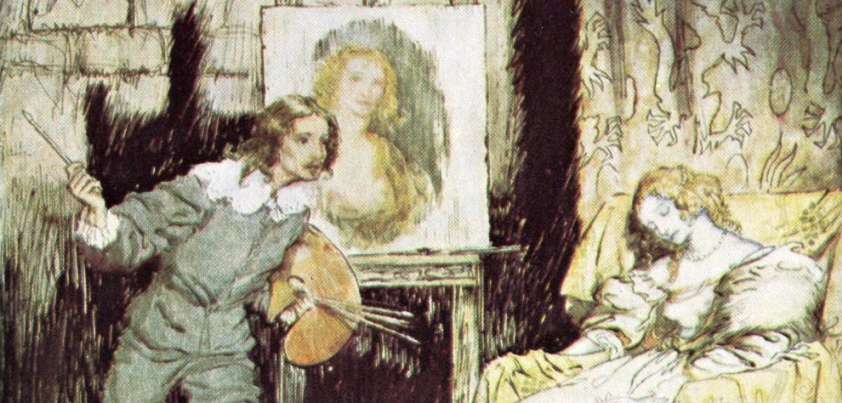
The Oval Portrait: Edgar Allan PoeThis Edgar Allan Poe story demonstrates the sinister side of how beauty can live on through art. An injured traveler takes shelter in an empty mountain chateau. There are paintings on and around the walls of his room. On his pillow is a book describing them. His eyes fall on the portrait of a beautiful woman that seems a little too lifelike. Disturbed, he finds its entry in the book. The woman’s story suggests that although art can preserve beauty, artistic obsession can destroy it in the making. Themes include art and artistry, rare beauty, love, obedience, obsession and death.

Continue ReadingThe Oval Portrait

Small Change

Small Change: Short story by Yehudit HendelThis impressionistic novella by Yehudit Hendel describes the psychological trauma experienced by an Israeli woman while imprisoned for a minor crime in post-World War 2 Switzerland. After growing up in an oppressive atmosphere dominated by a cold, autocratic father, her nightmarish ordeal is an allusion to Germany’s inhuman treatment of detainees during the holocaust. Although severely impacted by the experience, she is empowered to rebel against her cruel, obsessive father, who has cared more about his stamp and small change collections than his family. Themes: parent-child relationships, obsession, anti-Semitism, injustice, cruelty and sexual violence, self-empowerment.

Continue ReadingSmall Change