A Horseman in the Sky

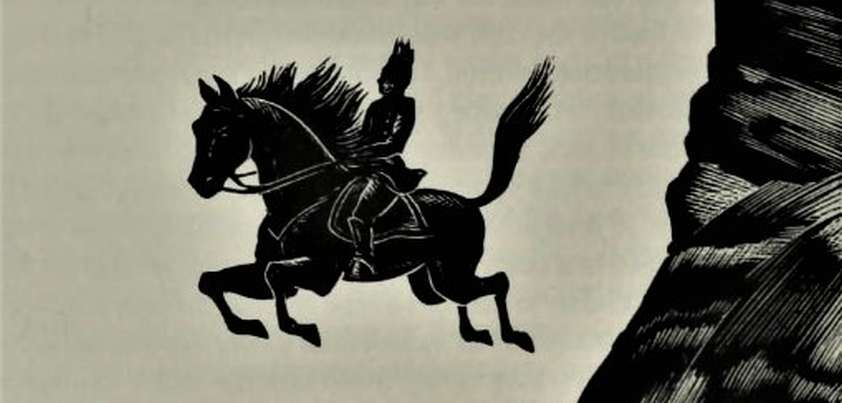
A Horseman in the Sky: Short story by Ambrose BierceThis war story from Ambrose Bierce has three main themes: 1) honor and the need to do ones duty; 2) the brutality of any kind of war; and 3) the particularly cruel nature of civil war, which can set friend against friend and family against family. For me, the defining moment in the story is when the enemy soldier turns and seemingly looks into Carter Druse’s eyes. As Carter recognizes his father, does his father also see and recognize him? Could knowing that Carter did his duty explain the proud way the horseman appeared to ‘ride’ through the sky?
Continue ReadingA Horseman in the Sky

In the Shadow of War

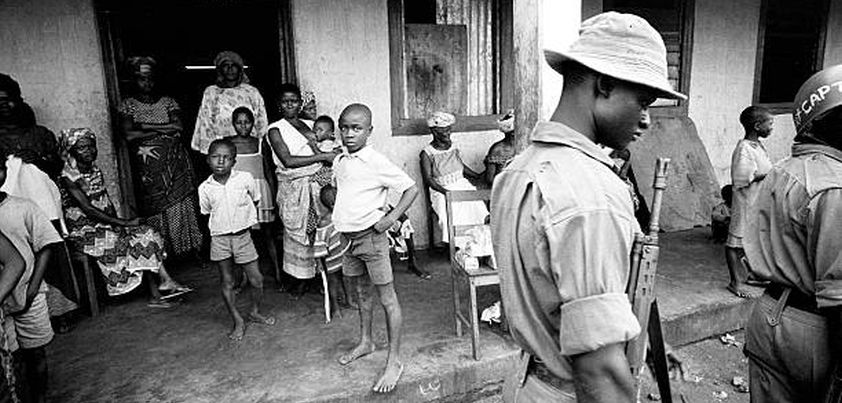
In the Shadow of War: Short story by Ben OkriIn this story by Ben Okri, a boy becomes curious about a mysterious woman who walks through his village every day wearing a black veil. Set during the Nigerian Civil War, other children think she is a witch; three soldiers looking for her think she is a spy. The soldiers follow the woman into a forest, as does the boy. Sufficient ambiguity exists for readers to question whether the horrific events described in the forest really take place, or if the woman is indeed a spy or simply a kindly benefactor. Themes include loyalty and morality in war, brutality, humanity.

Continue ReadingIn the Shadow of War

How to Tell a True War Story

How to Tell a True War Story: Short story by Tim O'BrienThis metafictional story by Tim O’Brien uses observations on a small collection of stories related by soldiers to highlight the difficulty of faithfully communicating one’s wartime experiences. His central argument is that in war it’s difficult to separate what happened from what seemed to happen and therefore you lose your sense of the definite, hence your sense of truth itself. This leads to the seemingly paradoxical conclusion that in a true war story nothing is ever absolutely true. Themes include the nature of truth in storytelling, memories vs. imagination, the trauma of war, morality.

Continue ReadingHow to Tell a True War Story

Mary Postgate

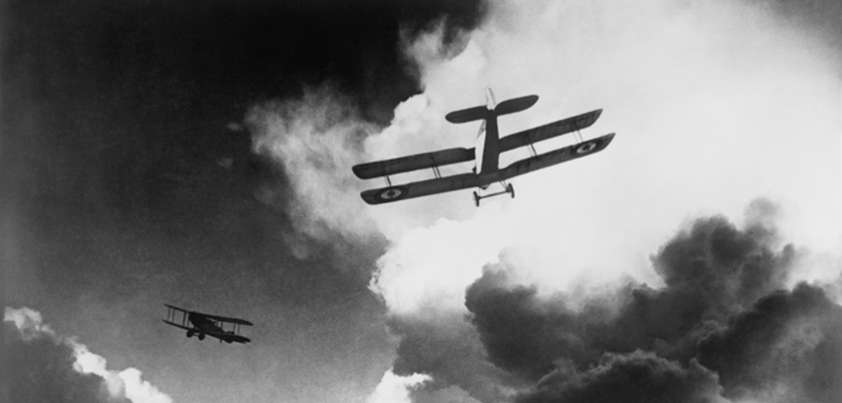
Mary Postgate: Short story by Rudyard KiplingSet in World War 1, Rudyard Kipling‘s Mary Postgate, can be interpreted in a number of ways, each of which suggests a different reason for the unusual reaction of the protagonist (a prim, proper, middle-aged spinster) to watching the slow, painful death of a seriously injured pilot. Her almost orgasmic physical response and subsequent behavior – a luxurious hot bath before tea – indicate that she found it an uplifting experience. This suggests that her bitterness was directed at not only the enemy, but also other aspect(s) of her life. Themes: the brutality of war, repression, loss, anger, revenge, release.

Continue ReadingMary Postgate

For Esmé with Love and Squalor

For Esmé with Love and Squalor: Short story by J. D. SalingerJ. D. Salinger’s Esmé is a precocious, orphaned teenage girl whose friendship and compassion help a young American soldier deal with the horrors of war. Salinger’s characterization of the soldier (Staff Sergeant X) in the second part of the story suggests first-hand experience with PTSD. This was misunderstood at the time, as reflected in the comment from Clay’s girlfriend: nobody gets a nervous breakdown just from the war and all. She says you probably were unstable like, your whole goddam life. Major themes: youthful innocence, the brutality of war and its effect on mental health, loss, humanity and hope.

Continue ReadingFor Esmé with Love and Squalor

Armistice

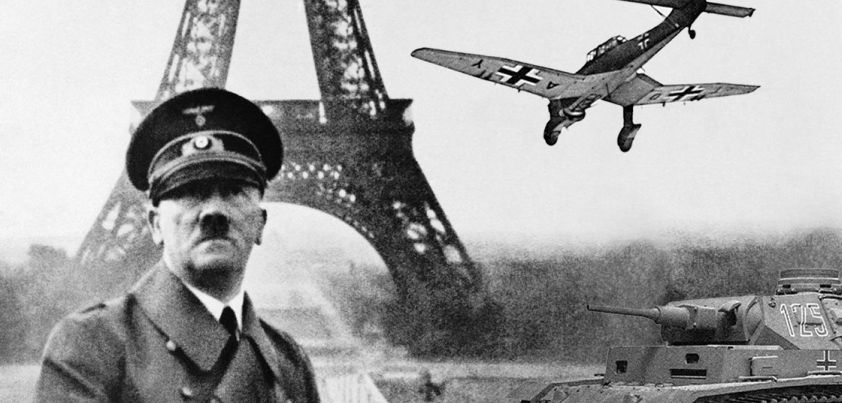
Armistice: Short story by Bernard MalamudThe major themes of this story from Bernard Malamud are violence, ethnic cleansing, war, racism, and compromised morals. Increasing tension between Jewish grocer Morris and German small-goods provider Gus mirrors unfolding events in Eastern Europe in the lead up to France’s surrender in World War Two. Morris, who witnessed the violent Russian pogroms against his people, is concerned the same will happen in France. Fascist-leaning Gus believes the invasion is justified because of France’s poor treatment of Germany following World War One. However, neither party feels strongly enough to terminate their business relationship for fear of losing money.

Continue ReadingArmistice

Stop the Sun

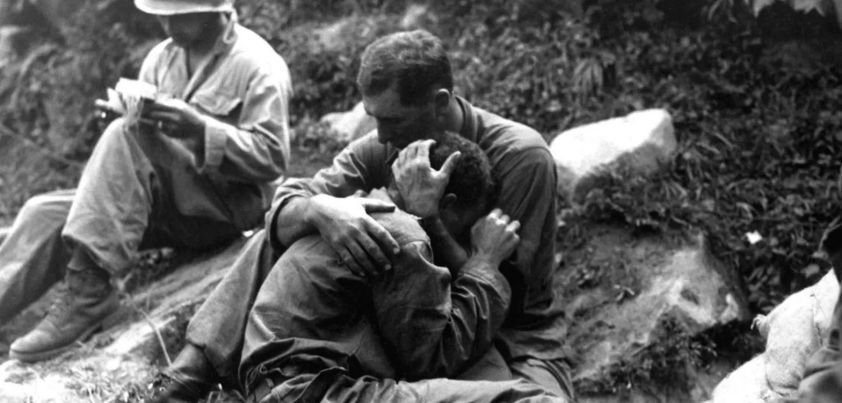
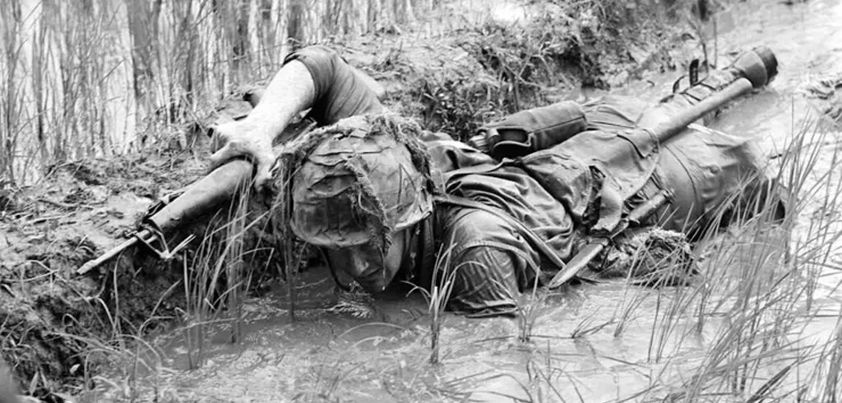
Stop the Sun: Short story by Gary PaulsenThis story by Gary Paulsen focuses on an adolescent boy’s efforts to understand his father’s unusual behavioral lapses, which his mother describes as “Vietnam Syndrome”. He is uncomfortable with the behavior at home and embarrassed when it manifests itself in public. Initially, he tries to research the condition at the library and by asking teachers. When this doesn’t work, he has the courage to ask his father. What he learns brings a measure of understanding, and gives him the strength to be more tolerant. Themes: father-son relationships, the brutality of war and its after-effects on veterans, communication, understanding and tolerance.

Continue ReadingStop the Sun

A Mystery of Heroism

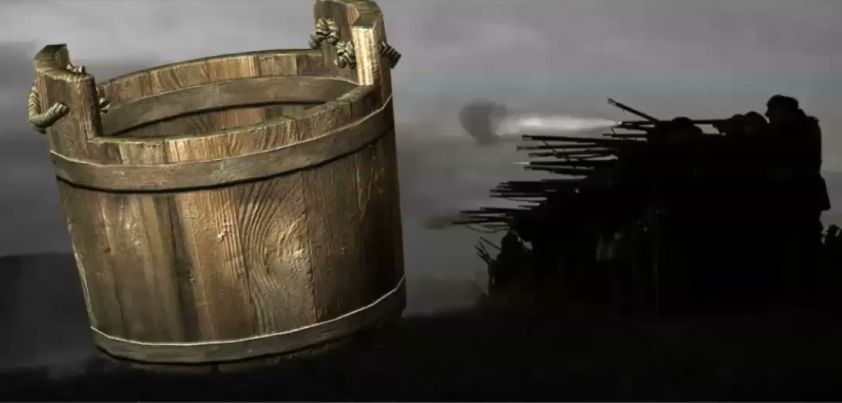
A Mystery of Heroism: Short story by Stephen CraneAs the title suggests, this story from Stephen Crane explores the concept of what makes a “hero”. In trying to answer the question, the story considers issues such as recklessness vs. bravery and the danger of bravado. It also touches on perspectives of heroism. To an injured officer, the protagonist is a hero; to his fellow soldiers, he is an impetuous fool. The irony of a dropped bucket at the end of the story suggests that many acts of heroism in wartime are wasted, having no impact on the outcome. Themes: war, duty, death, bravado, pride, heroism.

Continue ReadingA Mystery of Heroism