 This Miguel de Unamuno story (aka Saint Emmanuel the Good, Martyr) is a memoir by a Spanish woman reflecting on her close connection with a Catholic priest about to be beatified. The outwardly pious man, who was credited with several miracles and spent his life ministering to the people of her remote mountain village, harbored an astonishing secret… he did not believe in God! His life had been a charade for the supposed good of the villagers. Themes include existentialism, self-sacrifice, community, the nature and role of religion, New vs. Old World values, identity, truth vs. ignorance and bliss. More…
All posts by shortsonline
Death in Venice
 This Thomas Mann classic is renowned for its masterful psychological profile of Aschenbach, a jaded, aging writer who develops an unhealthy infatuation with a fourteen-year-old-boy during a Venetian holiday. Although the novella’s central theme (homosexuality) is no longer controversial, other aspects of the story (pedophilia and stalking) certainly are. Sympathy for Aschenbach is greatly diminished when, out of selfishness, he decides not to warn the holidaying boy’s family about a deadly epidemic being covered up by authorities. Many readers see Aschenbach’s fate as just punishment for his actions. Other themes: art and the artist, alienation, obsession, depravity, death. More…
The Half-Skinned Steer
 Annie Proulx’s protagonist begins a four-day road-trip to attend a funeral as a confident, vital octogenarian in full control of his faculties. Foolish mistakes along the way see him finish the journey a desperate, disoriented figure facing a ghostly “half-skinned steer” in a snowstorm. As he drives, he recalls his disillusioned youth on the family ranch. The memories focus on his sexual awakening and the family’s interactions with his alcoholic father’s flirtatious, story-telling, “horsey” girlfriend. The story’s major theme is ageing and its effects on memories and one’s ability to think clearly. Other themes: homecoming, sexuality, man vs. nature, death. More…
Safety of Numbers
 One of the appeals of this story by Lucy Tan is that versions occur in immigrant families all over the world. Parents, who have known hardship and in some cases suffered under corrupt or authoritarian regimes, find a home in a new country. There, they drive their children hard to get the best possible start in life. The children, like the protagonist in this story, don’t fully understand their parents’ experiences and rebel against the added pressure. Mutual understanding often doesn’t come until the children experience and overcome their own challenges in life… which may be too late. More…
A. V. Laider
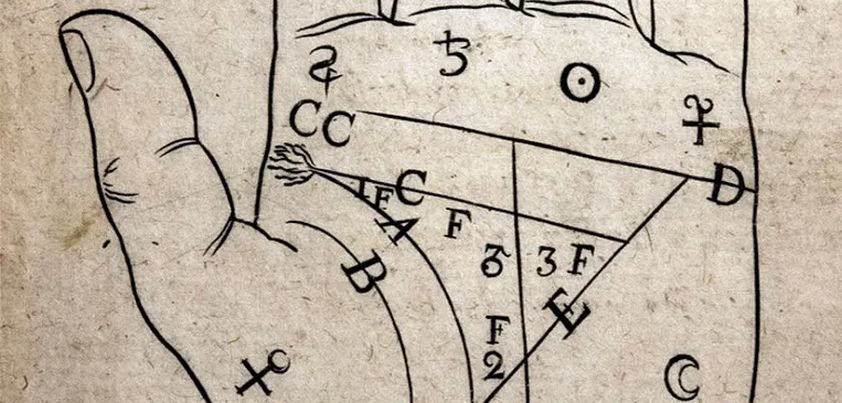 This story by Max Beerbohm raises the philosophical themes of faith vs. reason and free will vs. fate in the context of a conversation between the narrator and a stranger about palmistry. The stranger, a self-proclaimed amateur palm reader, relates how he once failed to prevent a train crash predicted in the palms of four fellow passengers. Too weak-willed to intervene, he let fate take its course and now feels guilty of murder. The sympathetic narrator writes him a consoling letter and, when the two meet again a year later, receives a nasty shock. Other themes include insecurity, guilt, fabulism. More…