 A common feature of Kazuo Ishiguro stories is their ambiguous endings. A young Japanese man returns home after living in America following a falling out with his parents. His mother has died from eating poisonous fugu fish, and his father feels disgraced over the collapse of his business. As a matter of honour, his business partner killed his family and committed suicide following the collapse. At the end of the day, the family sits down to a delicious fish supper prepared by the father. Themes include change (heritage and tradition vs. modernity), generational conflict, family disconnection, grief, guilt, “honour”, murder-suicide. More…
All posts by shortsonline
The Weight of a Gun
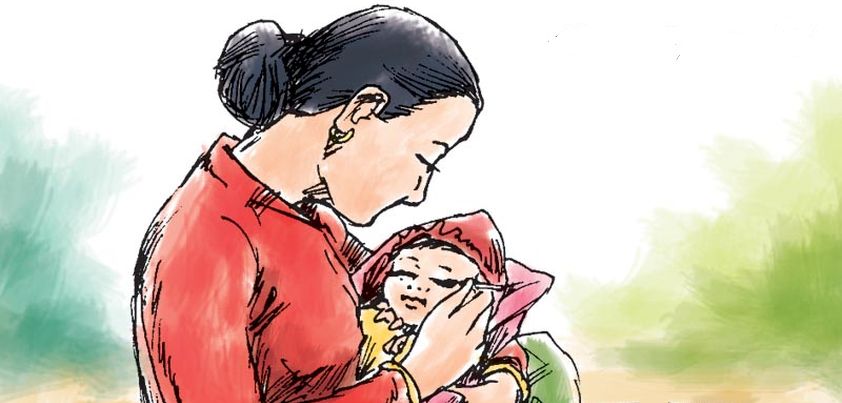 In this emotionally charged story by Samrat Upadhyay, a divorced woman tries desperately to prevent her schizophrenic adult son from self-harming or harming others. When she discovers that he has bought a gun and possibly joined Maoist rebels, she seeks help from his father. In the process, she befriends his pregnant, emotionally overwrought new wife who is being shunned by her family. As soon as the baby is born, the new wife does a runner and the husband follows, “temporarily” leaving the baby in her care. Themes include motherhood and motherly love, mental illness, loneliness and isolation, insensitivity, anxiety, superstition. More…
The Alienist
 In this satirical novella by Joaquim Maria Machado de Assis, a brilliant physician relocates to his hometown in Brazil and convinces the council to build the region’s first madhouse. Rebellion stirs when, having incarcerated all the truly insane, the overzealous doctor begins to lock up townspeople who are eccentric or unusually talented. As the number of inmates reaches 80% of the population, the doctor decides upon a new definition of madness. Everyone is released, new townspeople are taken in and treated, until eventually only one “madman” remains. Themes insanity, ambition, scientific fallibility, abuse of power, self-serving politics, revolution and counter-revolution. More…
Marigolds
 In Eugenia Collier’s Marigolds the protagonist comes of age (or in her words loses her innocence) when caught in a senseless act of destruction. Angry about her father’s shame over not being able to find work, she lashes out at the garden of a neighbor who is trying to bring beauty and happiness into her life by growing marigolds. Ironically, the neighbor and her disabled son are even more destitute than the protagonist’s family. Themes: childhood memories, poverty, shame, envy, impulsiveness, empathy, guilt and possibly racism (the resentful references to “white folks” and comments about Miss Lottie’s “Indian-like” features). More…
Rules of the Game
 The title of this story by Amy Tan refers to both the game of chess and the game of life. A Chinese-American mother’s term for one important rule is the art of invisible strength (self-control). The story deals with a number of themes: poverty, respect (for parents, others and one’s cultural heritage), pride vs. humility, passion and dedication, and mother/daughter relationships. At the end of the story, both fail in exercising the art of invisible strength. The mother’s understandable pride leads to bragging; the daughter’s response is rudeness and running away. Whose wind (willpower) will blow the strongest? More…