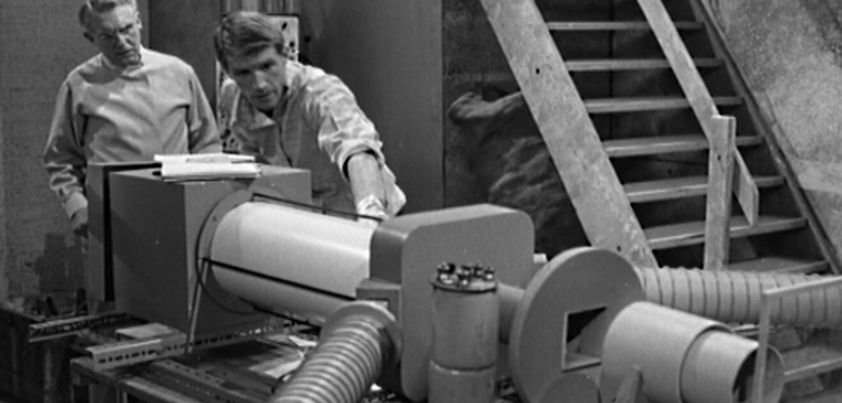
 In this story by Isaac Asimov a young physicist, indignant at apparent government suppression of research in a fringe area of science, secretly builds a home “chronoscope” that can look back in time up to one hundred and fifty years. Too late, the government learns of this and tries to censor his work, pointing out the potential for his machine to destroy an important aspect of life everyone takes for granted. Themes include scientific curiosity and freedom, government disinformation and control (in this case for the greater good), privacy, guilt. More…
All posts by shortsonline
Cathedral
 In Raymond Carver’s Cathedral, a troubled, disillusioned man with a cynical view of the world is suddenly confronted by his metaphorical blindness. Ironically, the person who brings about this epiphany is a blind friend of his wife. The story begins with the husband full of sarcasm (Maybe I could take him bowling…) as the couple discuss the blind man’s visit. He has pre-conceived ideas about the blind and is surprised when their visitor doesn’t fit the stereotype. Themes include friendship and marriage, insecurity, alienation and loneliness, creativity and imagination, perception (looking vs. seeing). More…
Storyteller
 This story by Leslie Marmon Silko retraces the life of a Yupic Eskimo woman up to the point she is jailed for murder. The story deals with the effects of “Gussick” (American) miners and traders on traditional village life, the way the village community supports her family of eccentric outcasts, how her sexual molestation by her grandmother’s partner drives her into the arms of American miners, and her quest for retribution against a Gussick storekeeper who sold poisoned liquor to her parents. Themes include cultural loss, exploitation, alienation, community, revenge, and storytelling. More…
Bigfoot Cinderrrrella
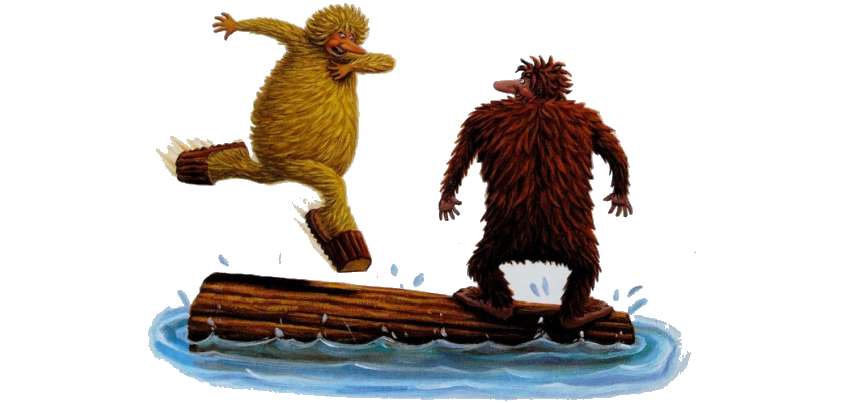 In a twist on the famous fairytale, this story from Tony Johnson is about big, hairy and very smelly Bigfoot girl. The Bigfoot prince is holding a fun-fest. A magic grizzly bear helps the girl get ready. He makes her fur especially dirty and smelly, and gives her special wooden shoes to wear. She wins the prince’s heart but (of course!) loses a shoe when she runs off early to be home in time. Fortunately, the story has a happy ending. She is the only girl in the forest with feet big enough to fit the shoe. More…
A City of Churches
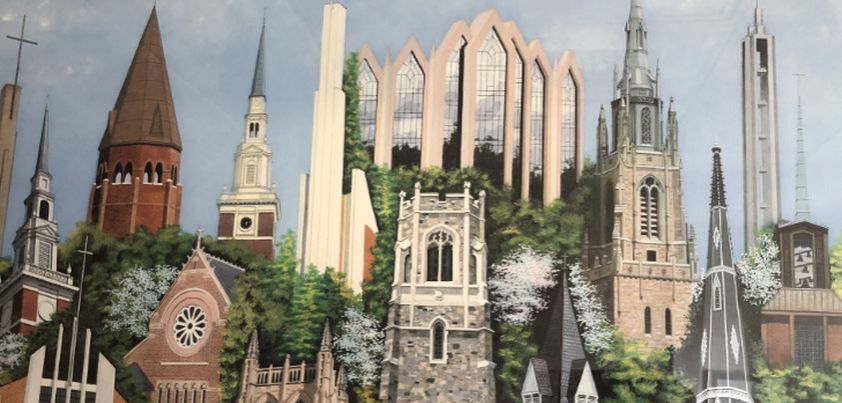 This story begins with a woman talking to a realtor about moving to the city of Prester to open a car rental business. As they talk, she notices that every building in the city is a church of some kind. Typical of Donald Barthelme, things get stranger. Nobody rents cars in Prester, but the city has a problem. It needs a girl to work in its car-rental agency to make the town ‘complete’. The girl has a special talent; she can will her dreams. When told she cannot leave, she threatens to dream the life [they] are most afraid of. More…