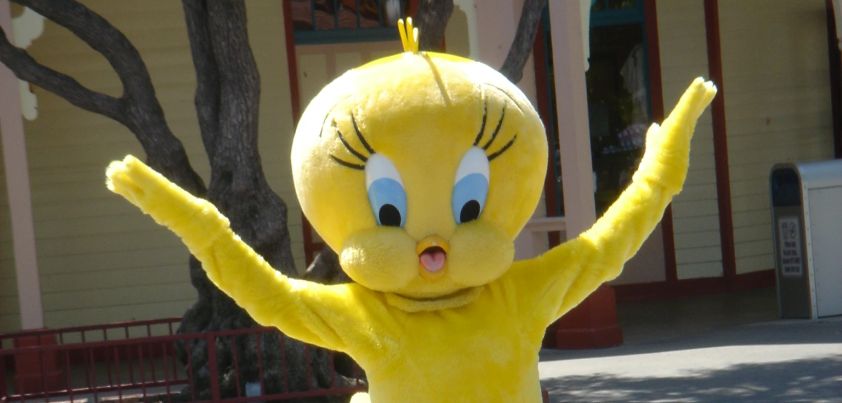
 The protagonist in this story by Adam Bagdasarian is a ten-year-old boy who has trouble making friends at school. His biggest wish is to be able to hang out at recess with the most popular group in fourth grade. He decides that the only talent he has that might gain him entry is his sense of humor. When the opportunity arises to make a joke, he is an instant success. However, he never feels secure among the group because his inclusion was at the expense of another member. Themes include alienation and loneliness, fitting-in, the shallow nature of teenage popularity. More…
All posts by shortsonline
Papa, What Does that Spell?
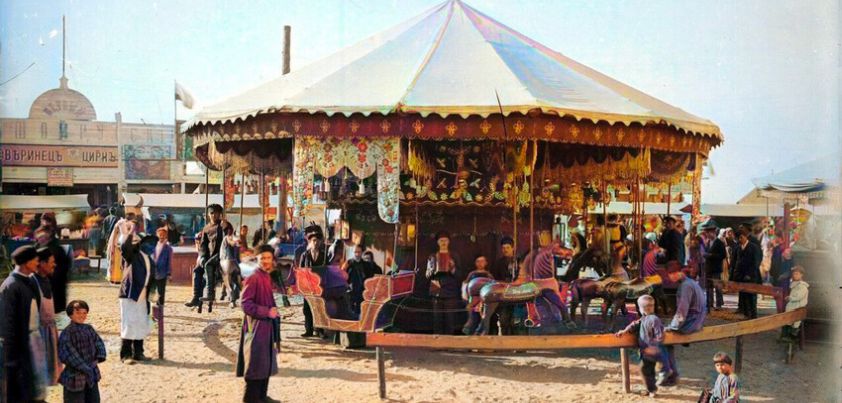 In this story by Vasily Aksyonov (Aksenov), a Russian factory worker reviews his life and relationships as he spends a day with his six-year-old daughter while his wife is at a “meeting”. He is growing apart from a once close-knit group of childhood friends, and faces a growing gap with his wife who is completing a doctoral degree and may be having an affair. In an epiphany, he realizes that being there for his daughter as she grows up is the most important thing in the world. Themes include childhood innocence, fatherhood, social relationships, marriage disconnect, deceit. More…
The Treasure of Abbot Thomas
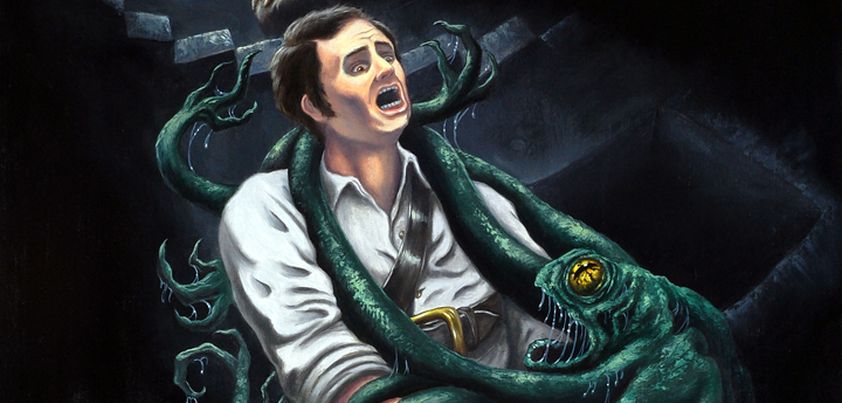 In this story by M. R. James, a British antiquary comes across an old book written in Latin that tells of a German monastery in which a fortune in gold is believed to have been hidden. He believes the key to the treasure lies on a stained-glass window removed from the Abby and returned to England when the monastery was closed. He finds the window, decodes the message hidden on it and, despite the warning contained in the message, finds the gold. His only problem… dealing with the treasure’s monstrous guardian. Themes include treasure hunting, cryptography, fear, the supernatural. More…
Burning in the Rain
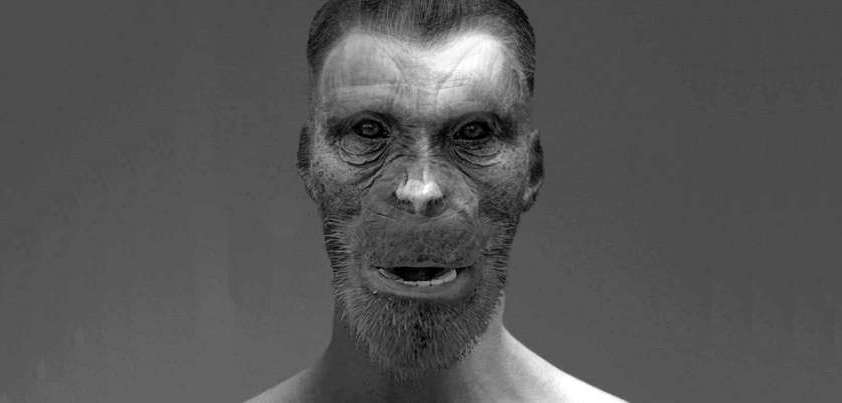 To fully appreciate this story and the book it came from, The House of Hunger, one needs to understand the troubled life of its Zimbabwean author, Dambudzo Marechera. A central motif is the “ape in the mirror,” which increasingly dominates the protagonist’s psyche. This could represent Marechera’s personal demons (mental illness, alcohol, drugs and violence) and/or be a thinly disguised metaphor for the devastating “guerrilla war” that brought Robert Mugabe’s ANU government to power. The latter is symbolized in the penultimate paragraph by the rain (that) sounded like the microscopic commotion of six million little people fleeing a national catastrophe. More…
Things
 This story by Sinclair Lewis is a biting satire highlighting one of his most prominent themes… the negative effects of capitalism and materialism in the United States. A young woman’s life is turned upside down when her father becomes instantly rich, buys a mansion, and fills it with expensive “things”. The family enters a new social circle, and she finds herself increasingly alienated from the working-class man who was her constant childhood companion. Over time, their mansion and possessions become a metaphorical prison. Themes include materialism and the pursuit of wealth, ostentation, social status, class consciousness. More…