 This Neil Gaiman is not for the fainthearted. Upon entering a room in Hell, a man meets the “demon” that will be his tormentor. After suffering excruciating pain from each of the 211 torture instruments lining the walls, he asks the demon what comes next. The answer: the true pain begins! And so it does for several thousand more years. In the last sentence, we learn why Gaiman agreed to change the title from his original choice (Afterlife) to Other People. Themes include sin and punishment, and the nature of Hell (suffering and inflicting dehumanizing pain and suffering). More…
All posts by shortsonline
The Selfish Giant
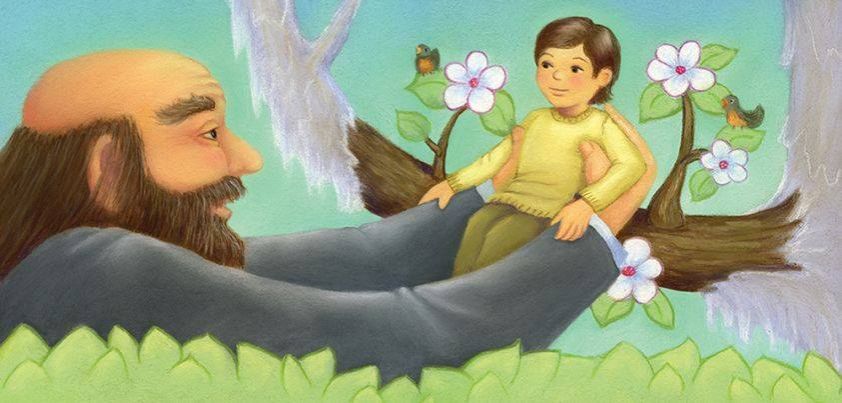 The Irish writer Oscar Wilde is known for his plays, his novel The Picture of Dorian Gray, and his short stories. He also wrote children’s stories, and this is one of the best known of these. A giant finds that his beautiful garden has become a playground for children. He drives them away and builds a wall around it. The seasons close in and his castle becomes a cold, miserable place. Redemption comes in the form of a small child the giant comes to love. The two main themes of the story are greed vs sharing, and Christian love. More…
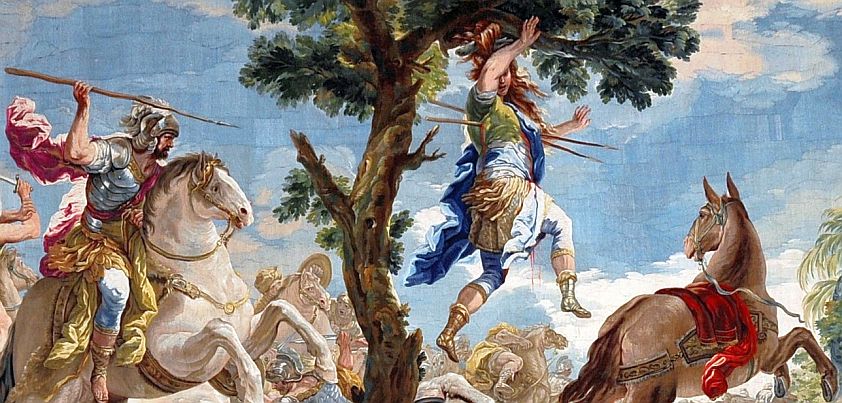
Absalom’s Hair
 In this story by Bjørnstjerne Bjørnson, friends and family are dismayed when an intelligent, independent twenty-one-year-old woman marries a dominant, sixty-year-old recluse. When she tries to leave, he cruelly confines her and their one-year-old son to his seaside estate. On his death, she moves with the then twelve-year-old boy to England and spends the next ten years trying to control every aspect of his life, including separating him from any girl/woman he shows interest in. His love/hate relationship with her almost destroys his life. Themes include power and control, the struggle for independence, vulnerability, desire, societal norms, mother-son relationships. More…
Brokeback Mountain
 Annie Proulx’s Brokeback Mountain is an unsettling story about how a sexual encounter between two male ranch-hands, Jack and Ennis, develops into a twenty-year love affair. The relationship develops over short, intimate camping trips, sometimes years apart. Jack wants more but Ennis’s marriage, social pressures of the day (1960’s), and anti-gay upbringing prevent him from “coming out”. It is not until Jack dies, possibly in a gay hate crime, that Ennis understands the intensity of their feelings for one another. Themes: desire, love, repressed sexuality, masculinity, homophobia, shame, acceptance (if you can’t fix it, you’ve got to stand it). More…
I Stand Here Ironing
 In this story by Tillie Olsen, a woman reviews events that may help a counselor better understand her nineteen-year-old-daughter. In the process, she questions the extent to which she may be responsible for her daughter’s problems. Poor care choices and lack of attention as an infant, and conflict with her younger sister as she grew up, have clearly affected the girl’s emotional development. A key question is what, if anything, could the woman have done differently in a society indifferent to the plight of single mothers. Themes: parenting, mother-daughter relationships, female identity, child cruelty, guilt, acceptance, hope. More…