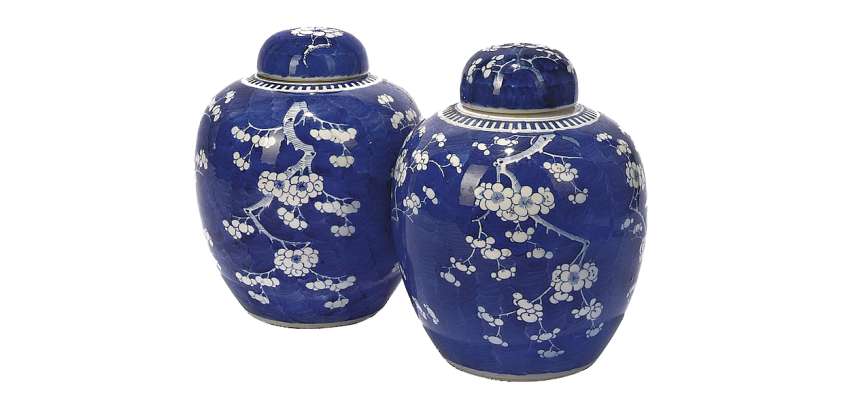
 In this Isak Dinesen (aka Karen Blixen) story, a shipwreck leads to a quest. A sailor rescues the daughter of an art-collecting nobleman from a burning ship. They spend nine days alone in a lifeboat, during which they become lovers. The nobleman pays the sailor to return to sea, and she spends the rest of her life sailing the world, ostensibly seeking a uniquely colored Chinese porcelain jar. The jar, a symbol of the woman’s lost youth and time in the lifeboat, becomes her final resting place. Themes: enduring love, class, aging, beauty in art vs. the beauty of nature. More…
All posts by shortsonline
Nadia the Willful
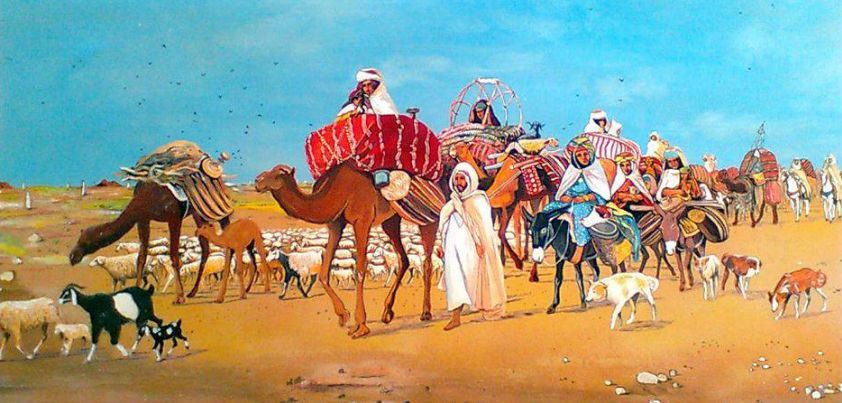 The central theme of this story from Sue Alexander is dealing with grief and loss. When a Bedouin boy is lost in the desert, his shattered father (a tribal sheik) decrees that none of his people speak the boy’s name. Nadia, his willful daughter, finds that the only way she can cope with her brother’s loss is to talk about their happy times together. When others follow her example, the sheik reacts angrily. However he, too, soon learns that rather than blocking out the memory, the best way process the death of a loved one is to celebrate their life. More…
Flowers for Algernon
 This touching short story from Daniel Keyes is about a mentally handicapped man who undergoes experimental surgery to enhance his intelligence. The operation’s initial success highlights an interesting aspect of intelligence: the very gifted can be as out of touch with reality and friendless as the intellectually challenged. The story raises an important issue: How far should medical science go in tampering with nature or, as some would say, the will of God? Perhaps the answer lies in Charlie’s ultimate fate, ironically going backwards in intelligence rather than forwards. Other themes include innocence, friendship, compassion, bullying and sacrifice. More…
Sacred Duty / Mugaddas Farz
 In this entertaining story by Ismat Chughtai, two sets of manipulative parents are put in their place after a Muslem girl opts out of an arranged marriage the day before it is due to take place and elopes with a Hindu boy. For the marriage to be recognized as Hindu, the boy’s parents pressure the girl to convert to Hinduism. To save face, her parents later pressure the boy to convert to Islam and the girl to reconvert. Themes include interfaith marriage, generational conflict and personal freedom, manipulation, the lengths that some cultures will go to preserve family honor. More…
The Jewels / False Gems
 This tongue-in-cheek story by Guy de Maupassant could be said to reflect two English proverbs: ignorance is bliss, and money can’t buy happiness. A recently widowed man of modest means is shocked to learn that his seemingly perfect wife had been living a decadent secret life. When he discovers that her “fake” jewels are real, he quits his job, becomes a man of leisure, and remarries a “very virtuous” woman who causes him much sorrow. The story introduces several important themes: appearances (things aren’t always as they seem), infidelity, vanity, hypocrisy, French bourgeois morality, exploitation of the working class. More…