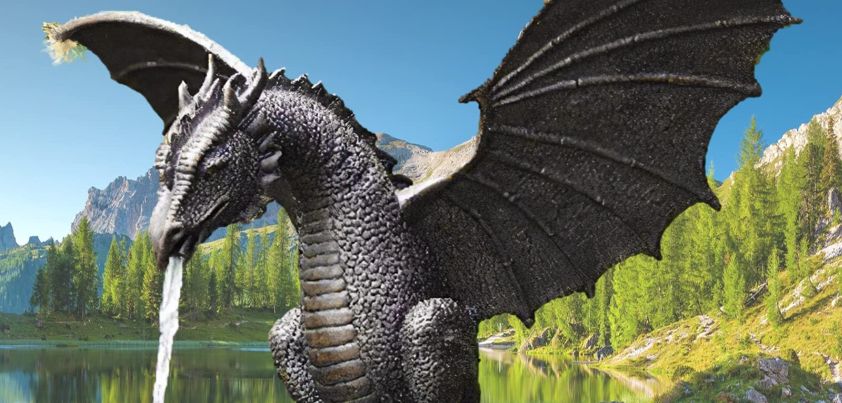
 Lord Peter Wimsey, Dorothy Sayers’s eccentric amateur sleuth, is saddled with his ten-year-old nephew while his parents are away overseas. As the two browse an antiquarian bookshop, the boy is attracted to the maps and pictures in a badly damaged copy of Cosmographia Universalis, an early description of the world. He buys the book, and shortly afterwards a strange man visits and offers Wimsey two hundred times what the boy paid. This leads to a “Boys Own” type adventure involving attempted robbery, Scotland Yard and a riddle leading to buried pirate treasure. Themes include curiosity, greed, mystery, deception, and philanthropy. More…
All posts by shortsonline
Rikki-Tikki-Tavi
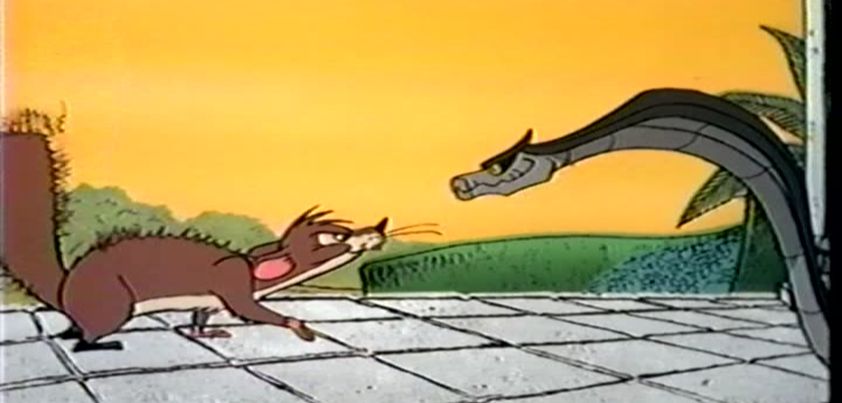 The major themes of this famous children’s story from Rudyard Kipling’s Second Jungle Book are duty, loyalty and courage. When viewed from a Western perspective, the story’s motif is the triumph of good over evil. However, as the cobra is a revered Hindu religious symbol, the plot can also be interpreted as an allegory of colonial conquest: the victory of “benevolent” British imperialists (Teddy and his family) and the Indians who support them (Rikki-tikki) over those resisting domination and change (Nag and Nagaina). Other themes: family, the balance of nature, progress and peace under British colonialism.
Earthmen Bearing Gifts
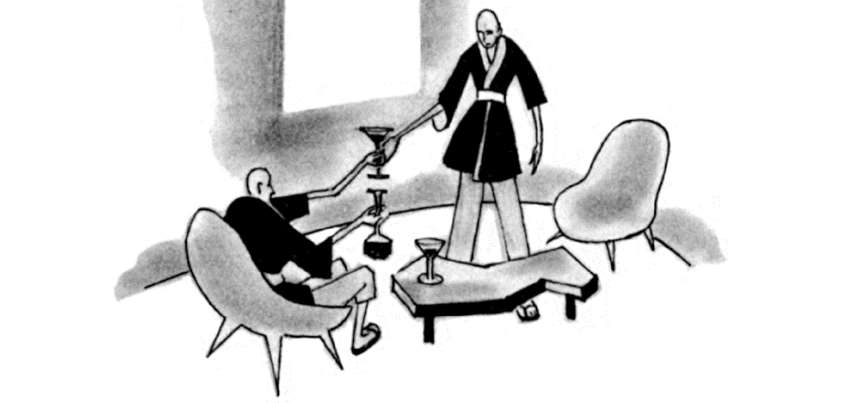 In this sardonic science-fiction story by Fredrick Brown, the people of Mars are looking forward to their first visit from Earth. The planets have planned an exchange of gifts. Each civilization is more advanced in an important area of science. Martians have mastered the para-psychological sciences and can teach Earthmen how to avoid crime and war. The Earth is ahead in technology and the physical sciences. This could help the Martians restore their dying planet. Earth’s first “gift”, delivered in an unmanned spacecraft, is not what the Martians expected. Themes include scientific progress, communication and cooperation, trust, betrayal. More…
The Laughing Man
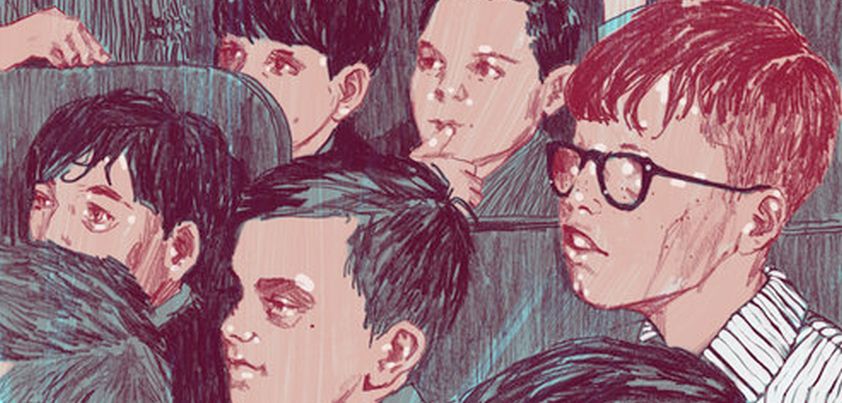 This J. D. Salinger story describes the relationship between members of a boy’s club (the Comanches), their youth leader (the Chief), and the imaginary hero of stories told by the Chief (The Laughing Man). One of the major themes is escape from reality through stories. In this context, the Laughing Man symbolizes the imaginary hero in all of us. Another important theme is change. Breaking up with girlfriend Mary results in the Chief “killing off” the Laughing Man, signalling to the boys that childhood pleasures (and life) don’t last forever. Other themes: appearance vs. ability, friendship, death, loss of innocence. More…
The Feather Pillow
 In this story by Horacio Quiroga a healthy young woman slowly wastes away and dies over the three months following her wedding. Her husband’s impassive manner, coupled with spending her days alone in his cavernous, unwelcoming house, destroy her childhood fancies of married life. Her fate is sealed when she decides to cast a veil over her former dreams and live like a sleeping beauty in the hostile house. Later, we learn that it is not their house that is hostile, but her feather pillow. Themes include innocence, love and marriage, isolation and loneliness, disillusionment, depression and death. More…