 This story by Mario Benedetti examines the concept of “ugliness” and the feelings of exclusion experienced by people with physical deformities when others turn away or pretend not to notice them. A man and woman, both with significant facial blemishes, meet at a movie and connect over coffee. (You’d like a face as smooth as that young girl’s on your right, even though you’re intelligent and she, judging by her laugh, is a hopeless idiot.) Their lovemaking later that night takes a curious turn, with both ending up in tears. Themes include isolation and loneliness, humanity, internal vs. external beauty. More…
All posts by shortsonline
Tell Them Not to Kill Me
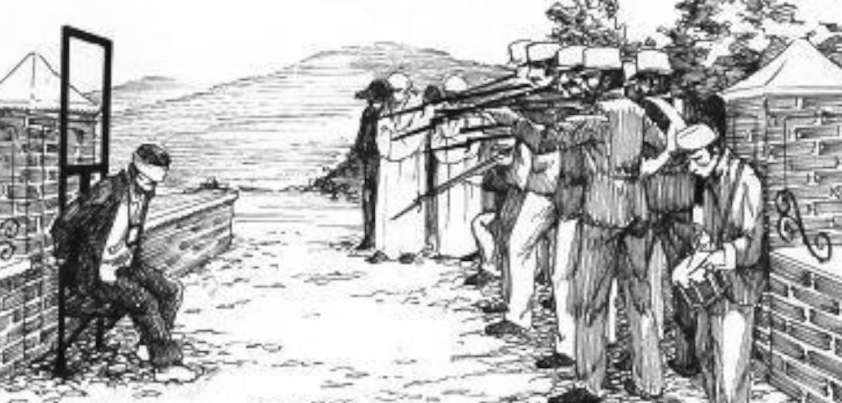 Juan Rulfo‘s short stories focus on the violence and hardships of rural peasant life in post-revolutionary Mexico. In this story a farmer (Juvencio) has been on the run for thirty-five years after viciously killing a friend for refusing to share his pasture during a severe drought. The murdered man’s son, now a police colonel, arranges for Juvencio’s capture. Juvencio, showing no remorse, begs for his life on the basis that he has already suffered enough. His grisly summary execution leaves readers to decide whether justice was served. Themes: land reform; endemic corruption; judicial system breakdown; father-son relationships; violence; revenge.
More…
Babycakes
 Although written for a worthy cause (PETA, People for the Ethical Treatment of Animals), many readers find this satirical vignette by Neil Gaiman very disturbing. The story provides a modern take on Jonathan Swift’s infamous 1729 satirical essay A Modest Proposal, which advocated solving an Irish famine by having the very poor sell their babies to the rich: A young healthy child well nursed, is, at a year old, a most delicious nourishing and wholesome food, whether stewed, roasted, baked, or boiled… OMG! Themes include greed, animal cruelty, sustainability, hubris (the superiority of man). More…
The Goodness of Matt Kaizer
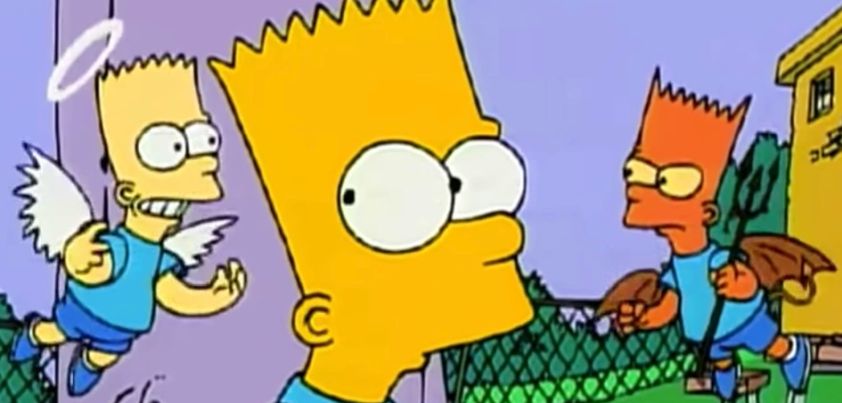 This story from Edward Wortis (aka Avi) is about “the baddest” member of a small group of troublesome sixth graders. Matt is constantly trying to prove how bad he is by taking on dares. His father, a church minister, does not seem greatly concerned by this in the belief that one day Matt will change. A dare that goes horribly wrong (or right depending how you look at it) proves his father correct. Themes: peer pressure, pride, good vs. evil, forgiveness. The story’s message: nobody is born bad; there is the potential for goodness in everyone. More…
Letter to a Young Lady in Paris
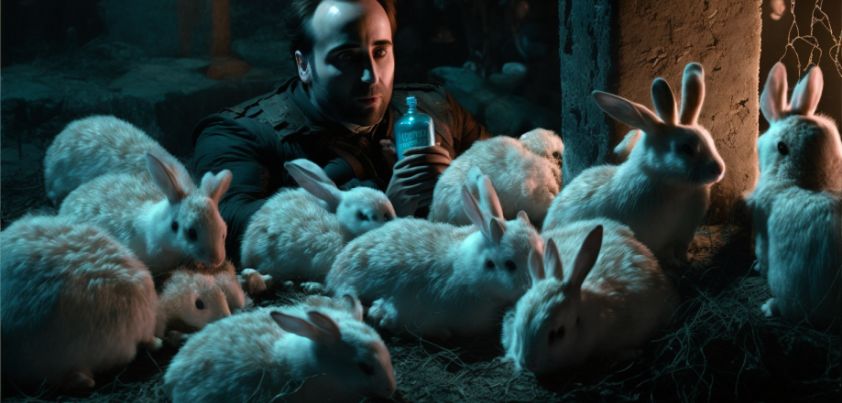 This surreal story by Julio Cortázar is in the form of a letter from an Argentinean man to a friend who has allowed him to stay in her apartment while she is visiting Paris. His concerns about disrupting the compact order of her rooms become a reality when, on the point of moving in, he vomits up a tiny rabbit. This is normally an occasional occurrence, but ten more bunnies pop out over the following weeks. As they grow and begin to trash the place, he contemplates drastic action. Themes include phobia (about moving), obsession (with orderliness), depression, alienation, despair. More…