 This award-winning story is a wonderful example of Deborah Eisenberg’s unusual writing style. Starting and ending at the same place, the back-story is provided in disjointed fragments that generate a sense of increasing menace as the full picture emerges. A directionless, insecure eighteen-year-old leaves an unfulfilling waitress job to live in an idyllic, off-the-grid cabin with a seemingly perfect man and his infant son. She flees several months later after a brutal beating, leaving readers to ponder the reasons for and wisdom of her abduction of his child. Themes: family, friendship, loneliness, isolation, fear, quest for fulfillment. More…
All posts by shortsonline
Usher II
 First published in 1950 as Carnival of Madness, this story by Ray Bradbury is also included in his anthologies The Martian Chronicles and The Illustrated Man. A wealthy book-lover, angry about destruction of his extensive library because of fantasy and horror story censorship on Earth, builds a look-alike version of Edgar Allan Poe’s House of Usher on Mars. He invites prominent book-banners to a party at the house, where they meet different Poe-inspired ends. Themes include censorship vs. personal freedom, the importance of speculative fiction, the danger of excess political correctness, zealotry (in this case, taking a protest too far!) More…
A Cup of Tea
 Although written in a lighthearted tone, this innocently titled story from Katherine Mansfield deals with some big issues. Its major theme is the materialism, hypocrisy and vanity of the British upper class. The desire for a “cup of tea” symbolizes the one similarity (womanhood) between a young beggar and middle-aged socialite. One is poor, desperate and astonishingly pretty; the other rich, entitled and not exactly beautiful. The socialite’s reason for wanting to help the girl was to show how compassionate she is. However, she soon realizes this may highlight a less favorable difference between them. Other themes: appearance, jealousy, insecurity. More…
Sardarji
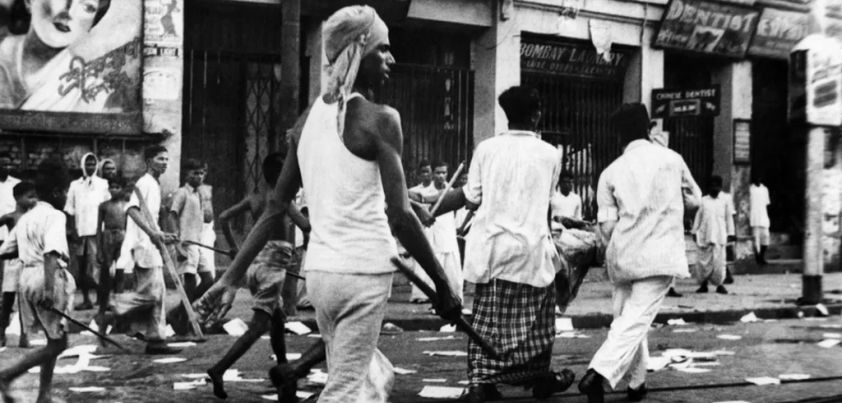 This story by K. A. Abbas uses satire and irony to highlight the madness and futility of the religious riots that killed and displaced millions during the 1947 Partition of India. The Delhi-bred Muslim protagonist not only vilifies Hindus and Sikhs, but also looks down on the crude rustic Punjabi practitioners of his own faith. Like most bigots, he advances no reason for his hatred other than that the three groups have different accents, appearances and customs. Fate plays a cruel trick as an angry mob comes for him. Themes include religious and racial intolerance, fear, violence, sacrifice. More…
Lullaby
 Although this story by Leslie Marmon Silko takes place over a single evening, some of the events described span three generations. An aging Native American woman searching for her alcoholic husband reminisces about her life. Although her childhood memories are pleasant, her adult memories are full of loss and tragedy. Her husband has been exploited by a “white rancher” and, having lost at least three children to natural causes and one to war, her last two were removed by “white doctors”. Themes: memories, tradition and change, language barriers, racism, oppression and exploitation, motherhood, death and loss. More…