 In this moving story from Edwidge Danticat, the Haitian-American narrator helps bridge differences between her widowed mother, who still embraces their traditional culture, and younger Americanized sister (Caroline). The mother is uneasy about Caroline’s coming marriage to a non-Haitian. She finds all sorts of problems with the man, the courtship, and the wedding preparations. However, after her traditional magic fails to separate them, she reluctantly accepts the inevitable. Themes: family bonds (mother-daughter, sister-sister, daughter-father), cultural identity (observing and handing down cultural values, traditions and beliefs), cultural differences, the price of freedom (suffering, loss, death). More…
All posts by shortsonline
The Golden Honeymoon
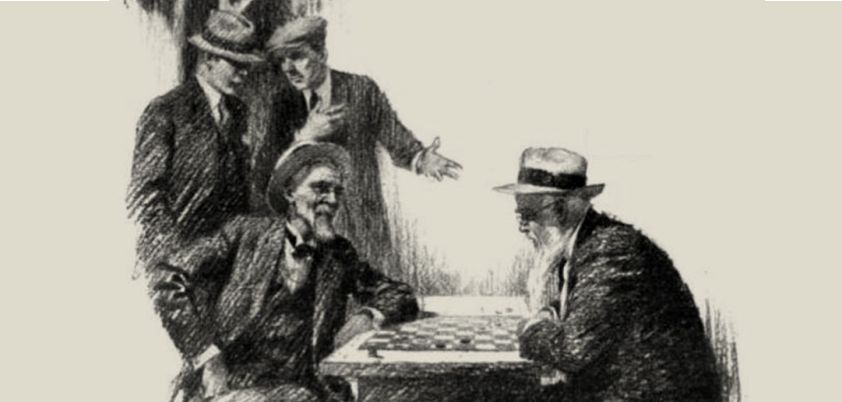 This story from Ring Lardner describes an elderly couple’s “second honeymoon” to celebrate their 50th (golden) wedding anniversary. Related in the folksy language of the 1920s, the story is a gentle satire of the shallow lives and petty concerns of the aged, and the way long-term marriages can evolve into lives of constant, albeit affectionate, bickering. Larder’s narrator (the husband) is a likeable old windbag: vain and insensitive; a good winner but poor loser; quick to find fault in others but never in himself; and always wanting things to go his way. Themes: aging, enduring love, jealousy, competitiveness, pettiness. More…
Rothschild’s Fiddle (Violin)
 Many of Anton Chekhov’s stories deal with the struggles of the Russian working class. Some, like The Looking Glass and Misery, are quite depressing. This story, which deals with the themes of greed, prejudice and death, includes elements of dark humour and ends on a positive note. Yakov the coffin-builder measures his success by missed moneymaking opportunities. His only happiness is his violin, which he plays in a village band. When his wife dies, he regrets not having done more to enjoy life. He makes some amends on his deathbed by leaving his violin to a most unlikely person. More…
America and I
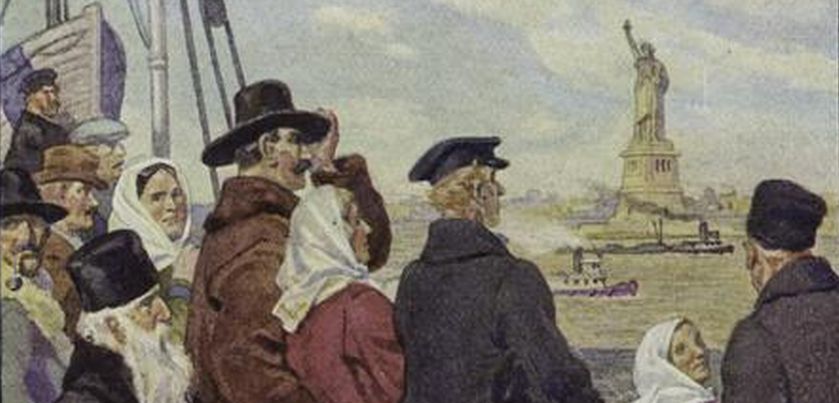 In this semi-autobiographical story, Anzia Yezierska begins by outlining her expectations of life in America as a young Russian immigrant in the late 1800s. Instead of a land of acceptance, equality and opportunity, she experiences alienation, exploitation and poverty. Although her situation improves as she develops English proficiency and vocational skills, her factory job is not satisfying. Fortunately, the study of American history leads to the revelation that her adopted country is a world still in the making, and helps her find a fulfilling purpose in life. Themes include innocence, poverty, immigration and cultural diversity, assimilation, opportunity, fulfilment.
The world, and America’s need for unskilled migrants, has changed. Yezierska laments the fact that America was unable to tap the human and cultural potential of many other immigrants of her day. Sadly, the poor woman would turn in her grave if she knew how far off the mark the idealistic prediction expressed in her last paragraph has proved to be.
Fat
 Few authors could write as powerful a story about a non-PC topic (body shaming) as Raymond Carver has done here. Major themes are the way we judge people, loneliness and choice. A waitress’s co-workers dehumanize a customer by making fun of his size. They have no empathy for the person within. The experience greatly affects the waitress. She is expecting change. Is it leaving her insensitive partner? Could she, as some readers suggest, be pregnant and worried about getting fat herself? Or has she been inspired to face something about herself that she has been too afraid to address before? More…