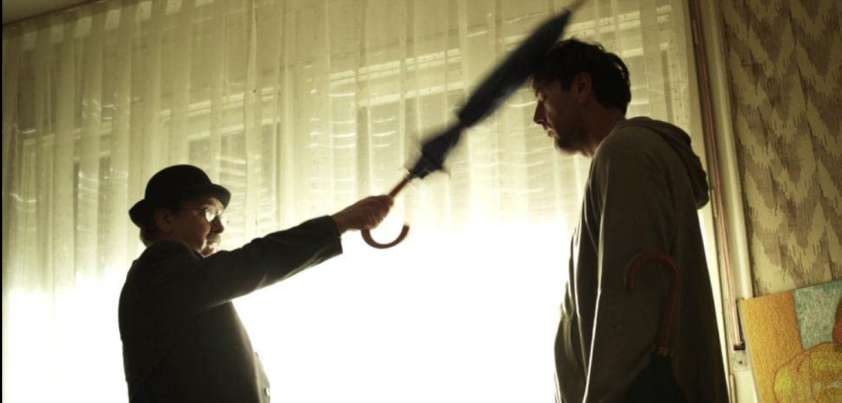
 The long title of this story by Fernando Sorrentino neatly summarizes the plot. The only other thing readers need to know is that the protagonist reaches the point where he does not think he can live without the torment of the “umbrella man”. Themes of tolerance and conditioning lead to two metaphoric interpretations of the story. The first involves leaning to deal with the constant pressures and occasional absurdities of modern life. A more concerning interpretation is our growing indifference towards community and world problems as a result of being reminded about them so often. More…
Category Archives: Quick Reads
The Censors
 Written during the early days of Argentina’s Videla dictatorship, this story by Luisa Valenzuela satirizes the use of censorship in limiting free speech. A man worried that government censors may misinterpret an innocent letter he wrote to a woman in Paris gets a job at the censorship office to recover it. Ironically, he becomes so immersed in the job that his values change to embrace censorship. His dedication results in promotion to a top position and, when his letter finally reaches him, he dutifully censors it, bringing about his own downfall. Themes include censorship, oppression, paranoia, love, alienation, identity, duty. More…
A Dead Woman’s Secret
 We get a sense at the beginning of this Guy de Maupassant story that the dead woman lying peacefully in her bed may not have led as ‘saintly’ a life as is described. She has been hiding something from her family for most of her life. When going through some old letters, her son and daughter discover the secret. The son, a sanctimonious magistrate, judges her harshly. The daughter, who has devoted herself to the Church, says nothing but may harbor a secret of her own. Themes: things are not always as they seem, passion, adultery, rash judgement, hypocrisy, forgiveness More…
Ruthless
 The protagonist in this story by William C. de Mille is a narcissistic businessman. One of its themes is excessive materialism. The man is so obsessed with his possessions, including small items such as a bottle of Bourbon, that he would kill to prevent other people from having them. The major themes are vengeance and justice. The man’s wife points out that his actions in trying to take revenge on those who drank some of his liquor the previous winter go beyond justice: the law doesn’t punish burglary by death; so what right have you? In the end, justice prevails. More…
With the Photographer
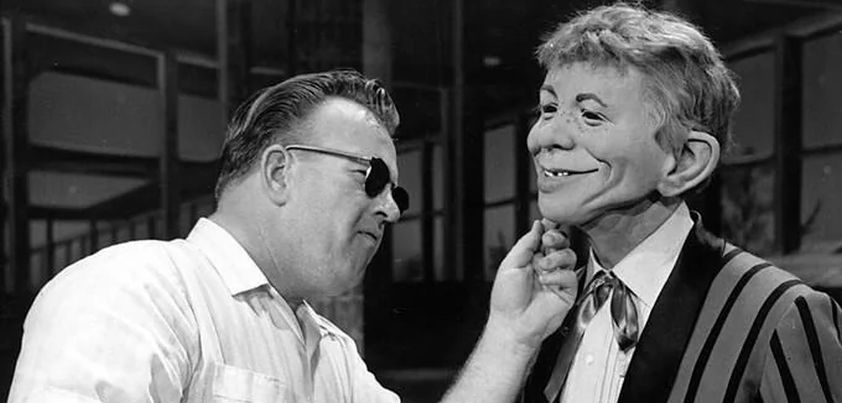 This story by Stephen Leacock makes use of irony and hyperbole to satirize artistic arrogance. A man who visits a professional photographer to have a portrait taken is humiliated during his sitting. The photographer not only criticizes every aspect of his facial features, but also insists on a number of different posture changes to hide what he considers flaws. Later, when the man views the developed product, his face has been so artificially altered as to be unrecognizable. Other themes include appearance and the disconnect between self-perception and the way others see us, insecurity, body shaming, humiliation, anger and frustration. More…
Crossing the Zbrucz / My First Goose / Salt
 Today we have three stories (Crossing the Zbrucz, My First Goose and Salt) from Red Cavalry, a collection of edited entries from the war diary of Russian author Isaac Babel. The stories reflect his time as a journalist / propagandist attached to the First Cavalry unit of the Red Army during the Polish-Soviet War of 1920. These are not typical war stories involving great battles and inspiring heroes. Instead, the book provides a graphic insight into the human impact of the war on those fighting it, as well as the casualties and brutalities inflicted by both sides on innocent civilians. More…
The Young Man Who Flew Past
 Writers must have a disproportionate fascination with heights, because there are a number of well-known stories in world literature about people falling, jumping or being pushed/thrown from tall buildings. Published in 1915, this short satire of middle-class society by Arkady Averchenko may be one of the first. A husband throws his wife’s lover from the sixth floor window of their apartment building. Through the windows on the way down, the falling man sees different ways his life could have gone. As he reaches the bottom, he is happy with his gruesome fate. Theme: men’s ‘destiny’ (ambition, marriage, family, adultery, depression, death). More…
Stories of the Bad & Good Little Boys
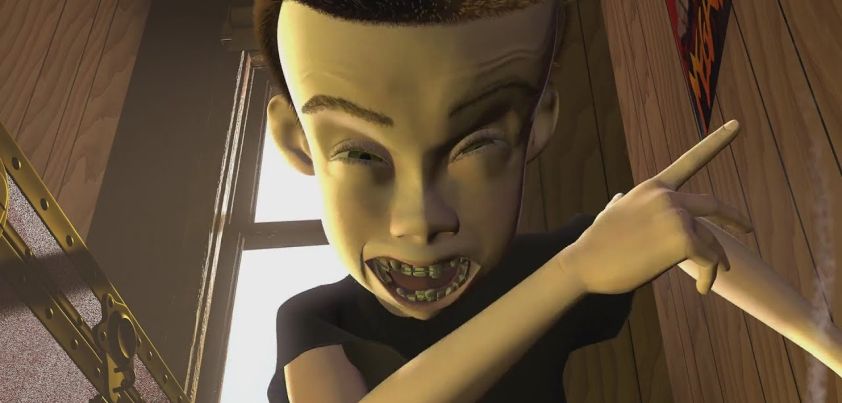 We are presenting these stories from Samuel Clemens (aka Mark Twain) together because, although the characters appear to be opposites, they actually support the same themes: 1) all people have a bad and/or selfish side; and 2) whether good or bad, people don’t always get the reward/punishment they deserve. While the bad boy appears inherently evil, the “good” boy’s motivation is his selfish wish for eternal praise. With its over-the-top sarcasm, the story of the bad little boy has an even more depressing message… bad boys grow into bad men, and the worst of them end up becoming successful politicians! More…
Yellow Fish
 On the surface, this story by C. S. Lakshimi (aka Ambai) is about a grieving mother who arranges the rescue of a discarded fish dying on the shore because its struggles remind her of those of her premature baby Jalaja before she died. The story also reflects the cycle of life (the vibrant colors and frenetic activity associated with return of the fishing fleet), death (Jalaja’s passing and the yellow fish flapping on the sand) and rebirth (the fish’s return to the sea). Themes include loss, grief, insensitivity, maternalism, the cycle of life. More…
A Haunted House
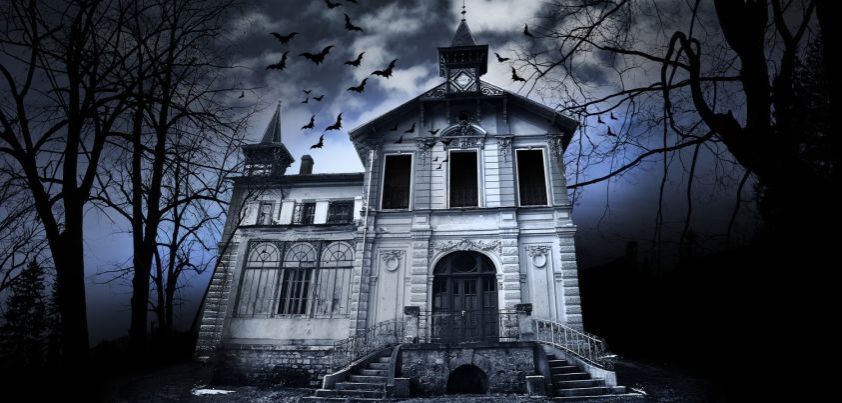 If you read Virginia Woolf‘s A Haunted House expecting it to be a horror story, you will come away disappointed. Rather than scary, the best word I can think of to describe it is bittersweet. Sweet because two ghosts are still very much in love after hundreds of years; sad because the ghostly couple appear to be anxiously searching for something. Although the central theme of the story is the immortality of love, it also carries the message that life is short, and we should treasure each moment with those we love. Other themes include loss, time, memories, the supernatural. More…
Almost No Memory
 When Lydia Davis wrote this flash story, she may have been reminded of a quote attributed to Albert Einstein: Never memorize what you can look up. Some people have a knack for remembering almost every detail of past events; others have a talent for putting names to faces or remembering facts and figures. However, most of us forget more than we remember. A word that often comes up in describing Davis’s writing is “playful”. Here she takes a playful look at memory (or rather lack of it!), and then moves on to memories and their relationship to original thought. More…
The Witch
 Although very short (just over 1,400 words), there are enough dark elements in this Shirley Jackson story to unsettle most readers. An imaginative four-year-old travelling on a train with his mother and infant sister attracts the attention of a man who recounts how much he loved his own sister. The man then relates how, after killing and dismembering his sister, he fed her head to a bear. The story turns on who or what the man is, and what effect his story may have on the boy. Themes include parental inattention, boredom, imagination, witchcraft, innocence and its possible manipulation, violence. More…
The Harvest
 This is one of a series of stories by Tomás Rivera about Mexican-American seasonal farm workers. The harvest is over and, as a group is looking forward to returning to their home base in Texas, they begin to wonder about the unusual behaviour of one of their older members. The single man with no family walks alone into the fields each afternoon, and refuses to allow anyone to follow. Rumors circulate among younger workers that he either is hiding his wages somewhere, or has found buried treasure. Themes include materialism, ritual, spiritual connection to nature and the land. More…
The Slump
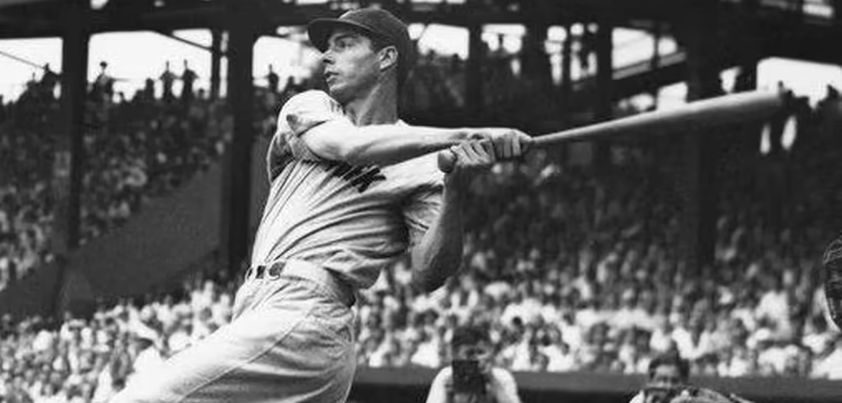 In this story by John Updike, a professional baseball player tries to analyze why he is no longer hitting the ball as well as he used to. He was recruited for his batting, and is worried about losing his position on the team. He identifies that the problem is psychological (in the batting cage I own the place) and concludes that he has lost his passion for the game because it has no meaning for him anymore. Themes include self-knowledge, pressure to succeed (dread), liberation, the fleeting nature of fame, frustration, futility, shame, existentialism. More…