
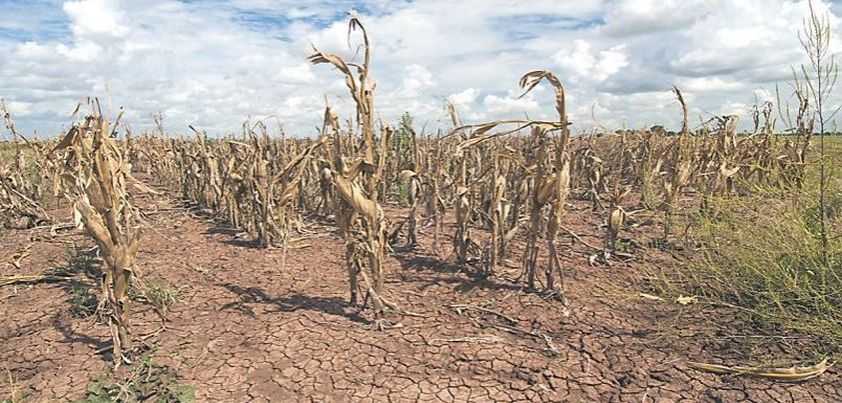
 This story by Bessie Head takes place in Botswana’s “lonely lands” where farming families usually live a poor but contented life in harmony with nature. Every year, when village headmen proclaim the beginning of the cropping season, families relocate from the villages to their “ploughing lands”. The story follows a family who, having endured six years of crippling drought, reach a point in the seventh year where they are faced with a devastating decision… to all perish from starvation, or sacrifice their children to a rain-god. Themes include tradition, man vs. nature, desperation, survival, superstition. ritual murder, cultural conflict, “justice”.
The version of Looking for a Rain-God that most people know, and the one reproduced here, first appeared in Bessie Head’s 1977 short story collection The Collector of Treasures and Other Botswana Village Tales. The story is based on a murder trial that took place in the early 1960s. Before Head became a recognized writer, she submitted an article about it to the New African magazine. This was written in 1966, a year after the men’s executions, and includes some additional (and in some cases conflicting) information.
Looking for a Rain-God Text / PDF (1,500 words)
General Comments
In a very short story it is difficult to develop fully rounded characters. This is especially so here, where most of the prose focuses on describing nature and other issues relating to the drought. Perhaps the best developed characters are the two little girls. Although their lives are very simple, Head cleverly humanizes the girls by describing them both times they appear as imitating their mother by playing with home-made dolls. The symbolism of the dolls (innocence, motherhood and rebirth) is significant, as the girls will soon be sacrificed to the rain-god.
There are essentially two types of Man vs. Nature story: those where man seeks to control or harness nature, and those where man simply tries to survive its effects. The tribe in this story (and presumably the government of the day) lack the know-how, resources and/or will to mitigate the effects of drought. The tribe must live through it or die in the process. There is some early foreshadowing of the latter as we learn that at the beginning of the summer a number of men went out of their homes and hung themselves.
After six years of drought the summer begins with promising, although not inundating, rainfall. Despite being under British rule, traditional tribal culture dominates. Villagers must wait until their headman officially proclaims the beginning of the ploughing season before heading out to their farms. There is a practical side to this. Not all villagers are farmers; many are cattle herdsmen. During the dry season the herdsmen can graze their cattle anywhere, including over the farming lands. During the ploughing season, they must keep their cattle away from farming land. One of the first families to leave the village was that of old Mokgobja. The family excitedly clear their land, make other preparations, and wait for the rain… and wait, and wait, and wait!
There are several options available to the family when the rain doesn’t come: (1) Tough it out. They haven’t yet planted their seeds, have two goats left, and own a donkey cart and presumably a donkey. They may be in a position to survive until next season; (2) Trust their luck. Cheats and charlatans (and maybe some witch-doctors who know real magic!) are making a fortune selling spells and charms to the other villagers. Perhaps they will be lucky where others have failed; or (3) Ask help from a god!
To better understand the family’s decision, it is important to remedy a common misconception about the story. Head writes that the two woman (Tiro and Nesta) broke down under the strain of waiting for rain. Many readers interpret these words and the women’s nightly wailing and frenzied dance-like movements as signs of madness or hysteria. This is not the case. As indicated in the New African magazine version of the story (see above), the women are performing a rain-making dance; most likely a go fetlha pula. In other words, they are pursuing option 3 above. This dance and the chants involved may be what stirred the ancient memory in Mokgobja’s mind. As the dance is part of tribal culture, it may also be a factor in the women and Ramadi agreeing to what comes next.
This brings us to the point where the girls are sacrificed. In interpreting the actions of characters in a story like this, it is important not to judge them by our cultural standards and beliefs. Consider the following:
- At the time of the story, Botswana was a strongly patrilineal society and, as the family patriarch, Mokgobja’s wishes would have been hard for other family members to ignore. He was also one of the oldest members of the tribe, and therefore likely to feel closer to their traditional gods than any new god imposed from the outside. For deeply religious people the world over, belief in their god(s) is absolute. The more Mokgobja thought about the situation, the more convinced he would have been that the ancient ritual would deliver rain;
- Child sacrifice has been practiced in Africa for thousands of years. This is particularly so in the Sub-Saharan region where, even today, they are still carried out; and
- The response of the other villagers, as expressed in the last paragraph, puts Mokgobja’s actions into true perspective: All the people who lived off crops knew in their hearts that only a hair’s breadth had saved them from sharing a fate similar to that of the Mokgobja family. They could have killed something to make the rain fall.