
Now That April’s Here
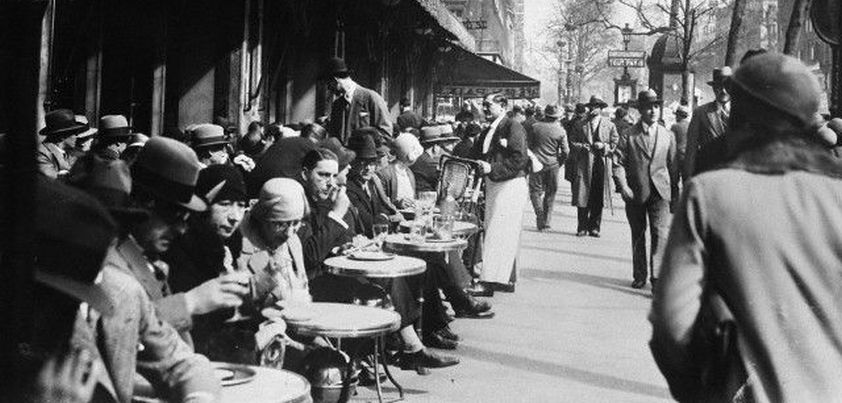 This story by Morley Callaghan is a bitter-sweet satire of the “lost generation”, a group of American expatriate writers living in Paris during the 1920s. Two men, obviously lovers, travel to France because America had nothing to offer them. One has a small income, the other is an aspiring writer. They appear to thrive in the local café society, constantly snickering over people they meet. All is well until they offer shared accommodation to a promiscuous young woman who shares her pleasures with them in return. Themes include disenchantment, search for fulfillment, sexuality, dependence, hedonism, jealousy, abandonment.
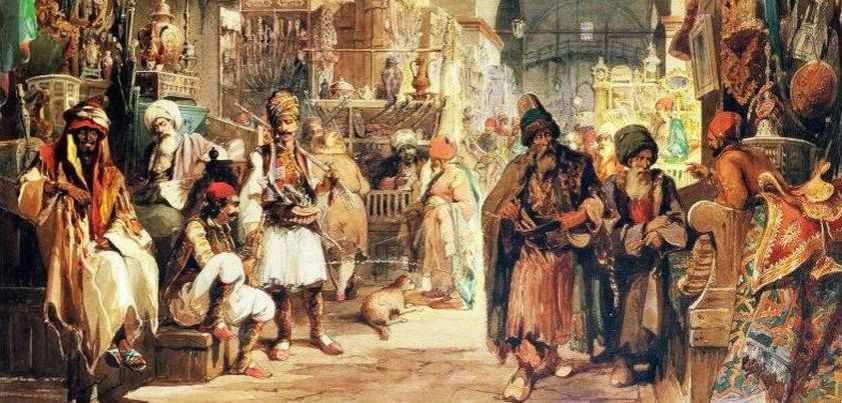 In this Indian folktale, a man travels to a distant land to seek his fortune. He succeeds and decides to convert his riches to jewels and return home. As he nears home, a ‘friendly’ merchant warns him that there are robbers on the road ahead. The traveler leaves his jewels in the care of the merchant. He then travels home to hire men to help him get the jewels through safely. On his return, the merchant tries to cheat him. To get the jewels back, the traveler needs help from someone who is even better at cheating than the merchant.
  In this intriguing story by
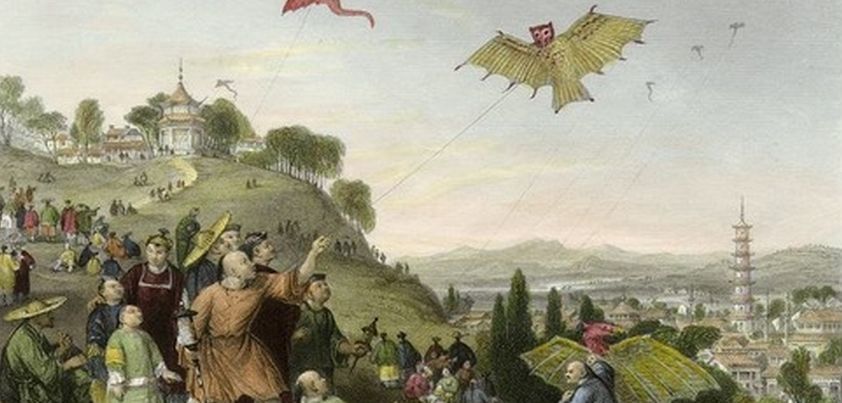
 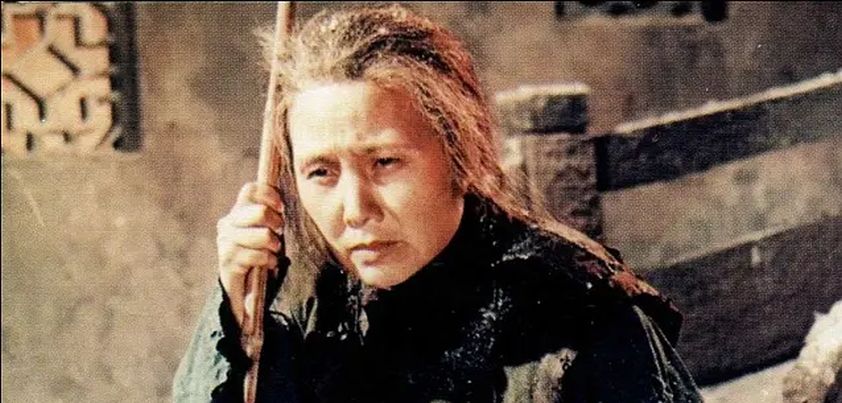 Set shortly after China’s 1911 Revolution, this story by
  This
This 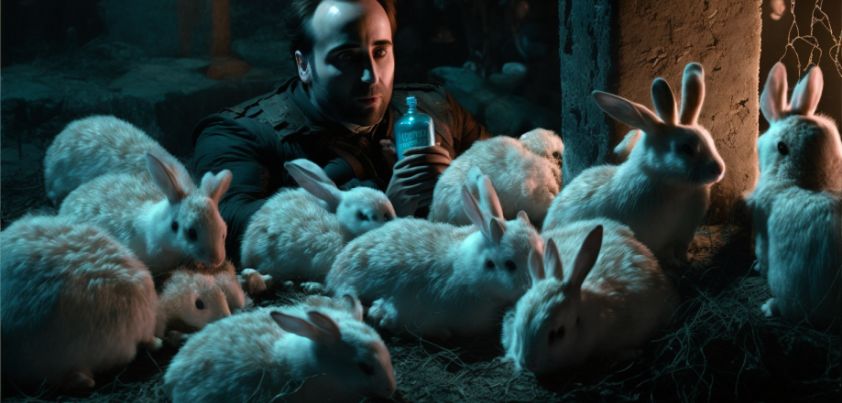 This surreal story by
  This
This  In this story by Ira Sher, a group of children find a man trapped in a well and reach an unspoken agreement to leave him there. Readers are left with three questions: 1) How/why did the man end up in the well? 2) Why wouldn’t he give the children his name? and 3) Why didn’t the children get help? The first question is of interest, but doesn’t affect the story. The second question begs another: Would the outcome have been different if the man had given his name? The third suggests a major theme: insensitivity to the suffering of others.